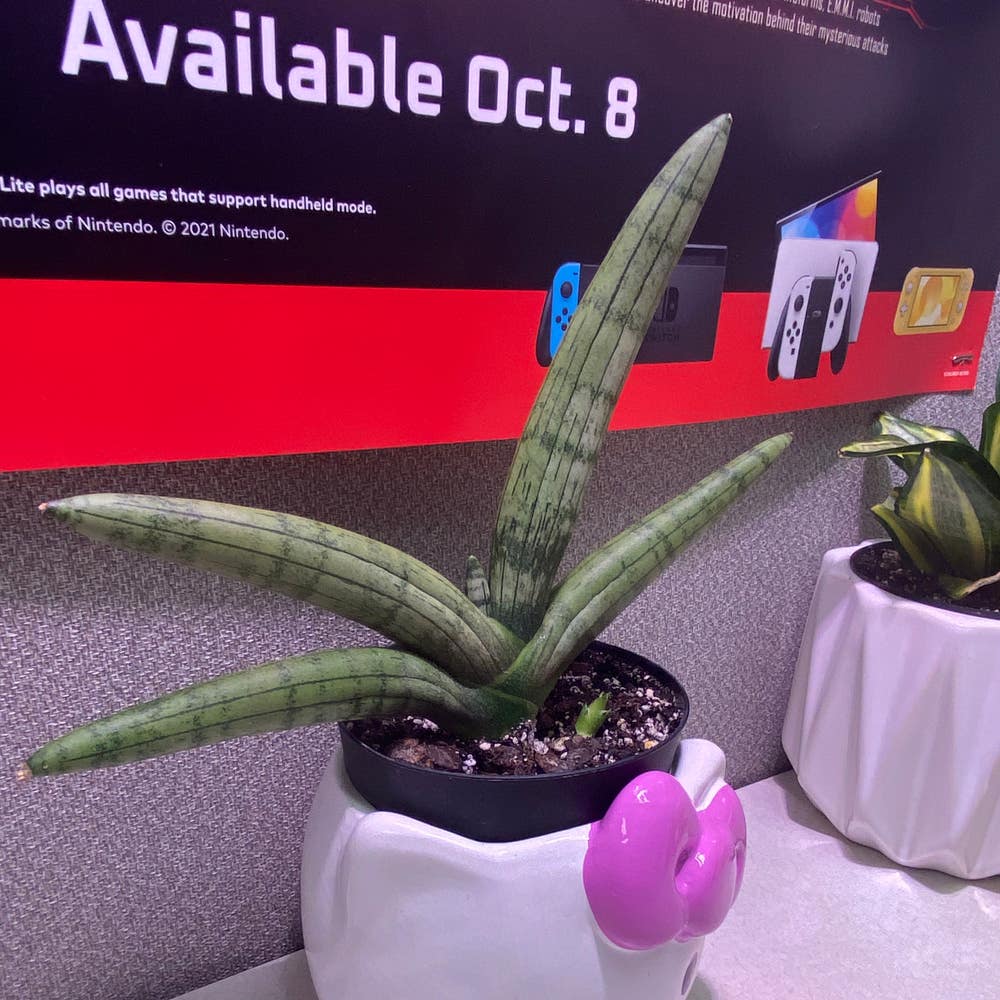
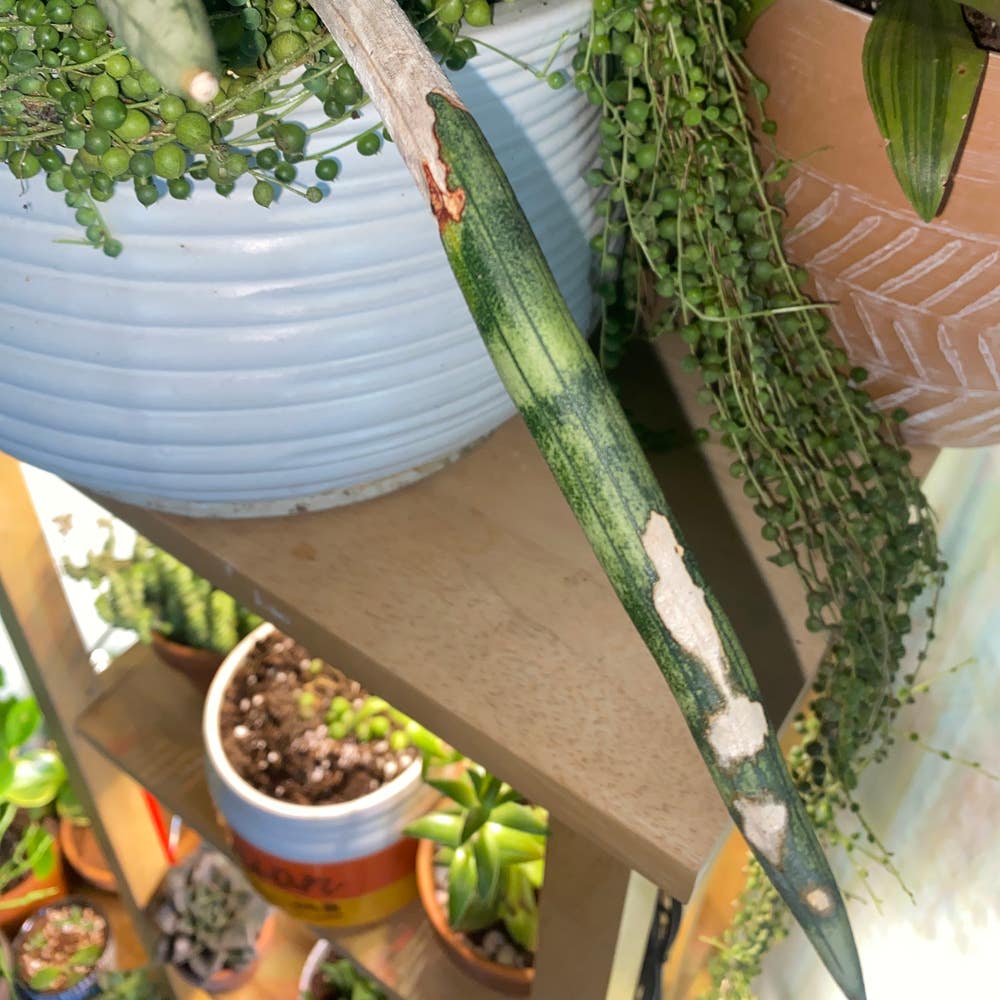
🌟 What Do I Do About Starfish Snake Plant Root Rot?
Dracaena angolensis 'Boncel'
By the Greg Editorial Team
Jun 18, 2024•5 min read
This article was created with the help of AI so we can cover more plants for you. May contain errors. See one? Report it here.
Rescue your Starfish Snake Plant 🌟 from the dreaded root rot with this life-saving care guide!
- Overwatering and poor drainage are top culprits for root rot.
- 🌱 Yellow leaves and mushy roots signal root rot; act fast.
- Trim affected roots and repot with well-draining soil for recovery.
Identifying the Causes of Root Rot in Starfish Snake Plants
Root rot in Starfish Snake Plants often stems from overwatering. These plants dislike wet feet, and too much H2O spells trouble.
💦 Overzealous Watering
It's simple: too much water equals soggy roots. Starfish Snake Plants need their soil to dry out between drinks.
🚰 Poor Drainage: The Silent Killer
Even if you're not heavy-handed with the watering can, poor drainage can create a swampy mess of your plant's roots.
🌱 Pot Size Matters
Using a pot that's too big is like giving your plant a pair of oversized rain boots; it'll just wade in excess water.
🌡️ Temperature and Humidity: Frenemies
Warmth and moisture are a fungal fiesta. Keep your plant away from sauna-like conditions to avoid root rot.
🍄 The Fungal Jungle
Fungi lurking in the soil are waiting for their moment. Sterilize your pots to keep these uninvited guests at bay.
🌿 Environmental Stress
Starfish Snake Plants can get stressed by too much love or neglect. Stable conditions keep them content and rot-free.

Recognizing Symptoms of Root Rot
Yellowing leaves and mushy roots are the telltale signs of root rot in Starfish Snake Plants. These symptoms are your plant's distress signals; they're practically screaming for help.
🚩 Visible Signs of Trouble
When your plant's leaves start to look more like a lemon than a lush green, it's time to take action. Dark spots on the leaves or at the base of the plant are like red flags at the beach – warning you of dangerous currents below the surface.
🕵️ Getting to the Root of the Problem
If the roots give off a foul smell or have the consistency of overcooked noodles, you've got a case of root rot on your hands. It's like checking the oil in your car; if it's black and sludgy, you've waited too long.
🛑 Early Detection is Key
Catching these symptoms early can mean the difference between life and death for your plant. It's like noticing you're low on gas before you hit empty on a deserted highway – it can save you from a lot of trouble down the road.

Steps to Treat Root Rot in Starfish Snake Plants
🌱 Removing the Plant and Inspecting Roots
Gently ease your Starfish Snake Plant out of its pot; it's surgery time. Check the roots: healthy ones are firm and white, while the rotted ones are mushy and dark. It's like checking fruit for ripeness, only less appetizing.
🌿 Trimming the Affected Roots
Snip the bad parts. Use clean, sharp scissors and cut just above the rotted areas. Think of it as giving your plant a much-needed haircut, minus the small talk.
🧼 Disinfecting the Pot
If you're reusing the pot, it's time for a spa treatment. Scrub it with a bleach solution to kill any lingering nasties. Dry it out completely because, well, we're trying to avoid more rot here.
🌱 Repotting with Fresh Soil
Mix up a fresh, well-draining soil party. A 1:1 ratio of potting soil to perlite or sand works wonders. Center the plant in the pot, fill it with soil, and tap it down to remove air pockets. It's like tucking your plant into a comfy bed.
💧 Aftercare
Water your newly potted plant friend, but don't drown it. Check that the drainage holes are doing their job. It's a delicate balance, like not overwatering your guests with attention at a party.
Remember, the Starfish Snake Plant is a tough cookie, but even tough cookies can crumble under soggy conditions. Keep it dry, keep it snappy, and you'll both be happier for it.

Preventing Root Rot Through Proper Watering and Soil Management
💧 Adjusting Watering Habits
Check the soil's moisture level before watering—your Starfish Snake Plant's thirst isn't on a strict schedule. Water should leave the soil moist, not soggy. Ensure thorough watering, but never let the plant sit in water; it's practically begging for root rot.
🌱 Soil and Pot Selection
Choosing the right soil mix is crucial; think of it as the plant's best friend—supportive but not smothering. Incorporate perlite or sand for a mix that's light and breathable. When it comes to pots, think Goldilocks—not too big, not too small, just perfect to prevent unwanted water parties at the bottom. Ensure the pot has adequate drainage holes.
🌬️ Environmental Considerations
Improve air circulation around your plant to keep humidity in check; stagnant air is a fungal fiesta waiting to happen. Regularly inspect your plant for early signs of distress, like yellowing leaves or a musty smell, and adjust your care routine accordingly.
🌿 Mulch and Fertilizer Use
Be mindful of mulch—over 4 inches is a moisture trap. And with fertilizers, it's about quality, not quantity. Use water-soluble types to maintain nutrient balance without going overboard.
🛡️ Proactive Plant Care
Rotate your pots occasionally for even growth and to thwart disease. Early morning watering lets leaves dry out, reducing the allure for fungi. And remember, a well-tended Starfish Snake Plant is a happy one—give it the attention it deserves for a robust defense against root rot.
⚠️ Safety First
This content is for general information and may contain errors, omissions, or outdated details. It is not medical, veterinary advice, or an endorsement of therapeutic claims.
Always consult a qualified healthcare professional before using any plant as food, medicine, or supplement.
Never eat any plant (or feed one to pets) without confirming its identity with at least two trusted sources.
If you suspect poisoning, call Poison Control (800) 222-1222, the Pet Poison Helpline (800) 213-6680, or your local emergency service immediately.
Spotted an error? Please report it here.
Keep your Starfish Snake Plant root-rot free 🛡️ by letting Greg customize your watering plan and monitor your home's environment for the ultimate plant protection.