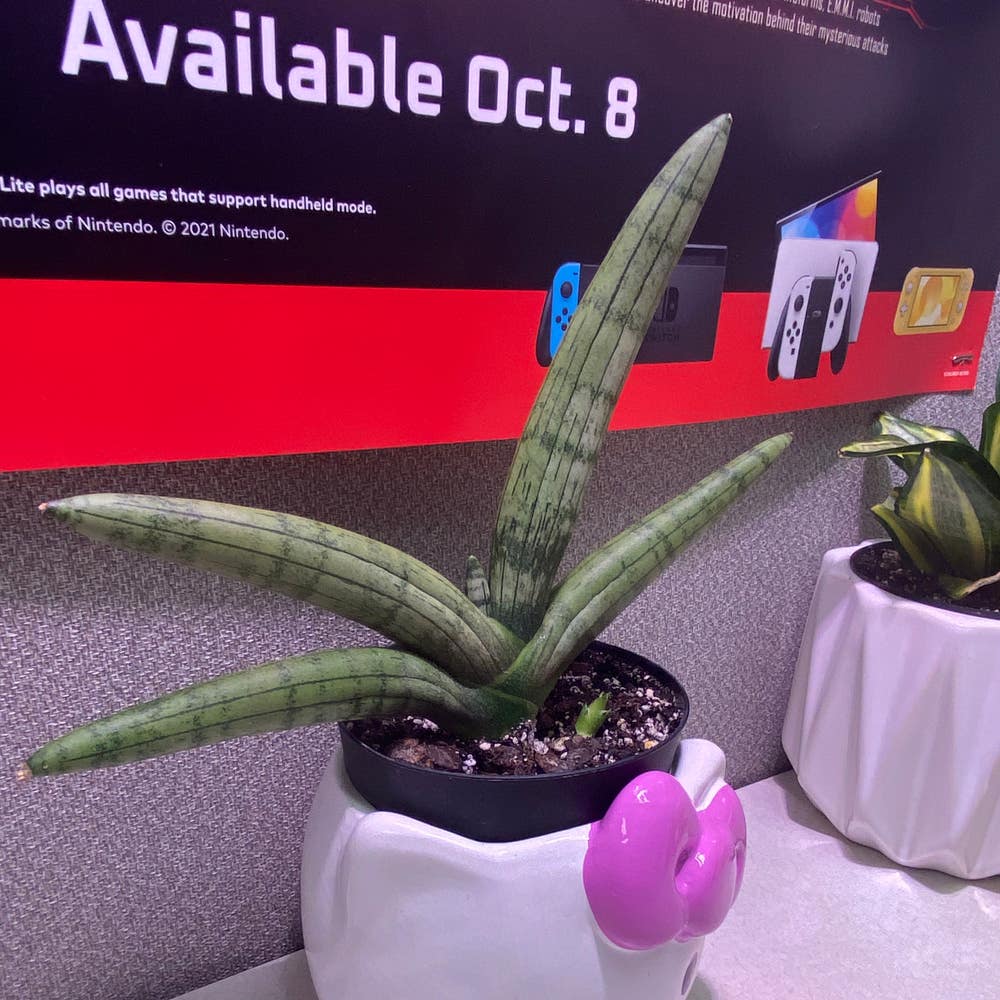
🌟 My Starfish Snake Plant's Light Needs
Dracaena angolensis 'Boncel'
By the Greg Editorial Team
Jun 18, 2024•6 min read
This article was created with the help of AI so we can cover more plants for you. May contain errors. See one? Report it here.
Boost your Starfish Snake Plant's health and blooming potential with the perfect light recipe! 🌟🌱
- Bright, indirect light is ideal for healthy growth and flowering.
- Prevent leaf burn with sheer curtains or dappled shade.
- Use grow lights to supplement natural light effectively.
Optimal Indoor Light Conditions
💡 Ideal Light Intensity and Duration
Bright, indirect light is the sweet spot for your Starfish Snake Plant. It's like a morning coffee for us—just right to kickstart its day. Aim for eight to ten hours of this gentle illumination. Too much direct sun? Think of it as a sunburn waiting to happen—leaves will protest with crispy tips and brown patches.
💪 Preventing Leaf Burn Indoors
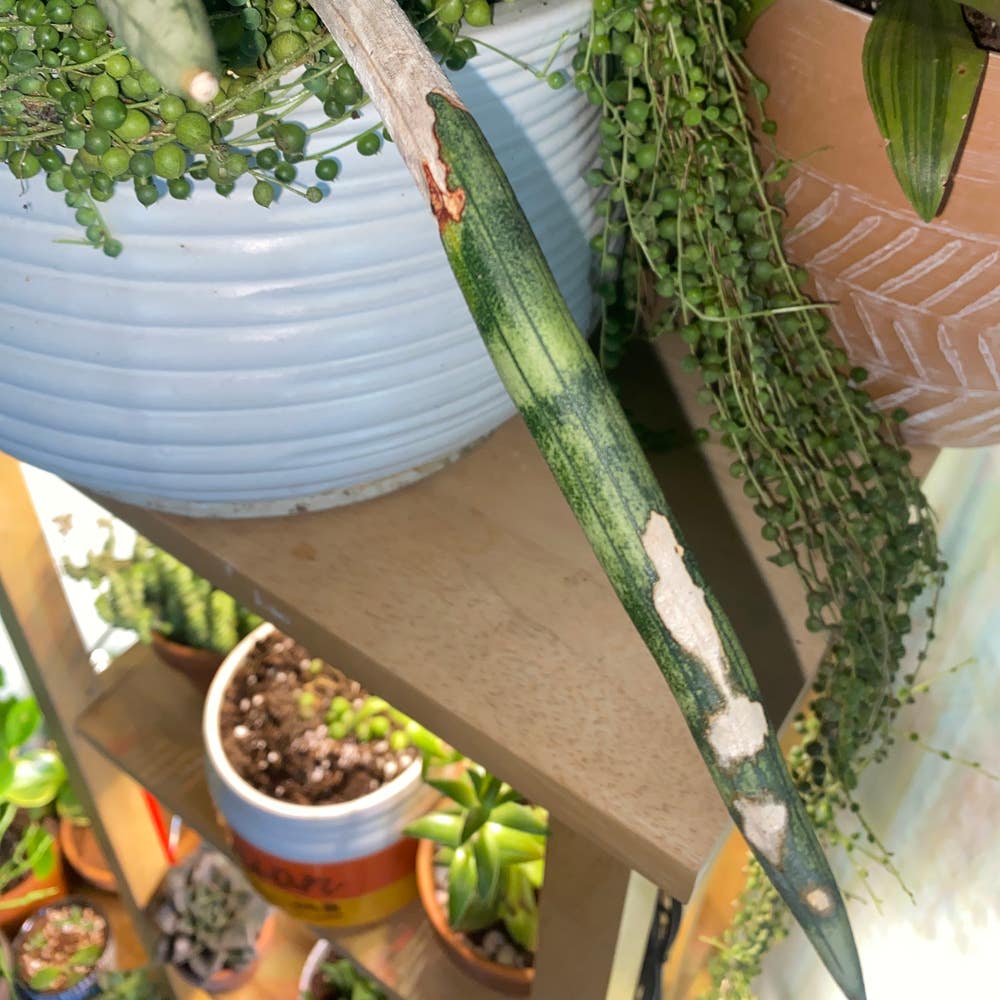
To dodge the dreaded leaf burn, position your plant pal near a window draped with a sheer curtain. It's like sunglasses for your Starfish Snake Plant, filtering out harsh rays. If your plant's already sporting a sun-kissed look, don't panic. Gradually move it away from the sun-trap and watch for recovery signs. Remember, high humidity is a bonus, keeping it perky and preventing it from going limp.

Managing Outdoor Light Exposure
Transitioning your Starfish Snake Plant to the great outdoors requires a bit of finesse. It's like introducing someone to a new social circle; you don't just throw them in and hope for the best.
🌞 Acclimating to Outdoor Light
Start by gradually introducing your plant to its new environment. Think of it as a plant tan, avoiding sunburn by slowly ramping up exposure. Begin with an hour of outdoor time, then increase incrementally. A covered porch or a spot under a tree can provide the bright, indirect light your Starfish Snake Plant craves without the harshness of direct sunlight.
🍂 Seasonal Light Changes
As the seasons shift, so does the sun's intensity. Monitor the light quality and adjust your plant's location accordingly. Remember, your plant isn't trying to catch a tan; it's more about avoiding a sunburn. In the fall, as daylight dwindles, you might need to bring your green buddy back indoors or closer to the house to catch those precious rays.
🌅 Positioning for Optimal Health
Where you place your plant can make all the difference. A location that gets morning light but is shielded during the harshest afternoon sun is ideal. If your plant starts to look like it's reaching for the sky, it's begging for more light. Conversely, if the leaves are getting crispy, it's time to dial back the sunshine.
Remember, your Starfish Snake Plant isn't just another pretty face in your garden; it's a living entity that relies on you to read its leaves like a mood ring. Keep it happy with the right light, and it'll return the favor with growth that's both robust and envy-inducing.

Enhancing Flowering with Proper Light
💡 The Secret to Blooms
Bright indirect light is the sweet spot for coaxing the Starfish Snake Plant into showing off its flowers. While it's a tough cookie, thriving in various light conditions, the right light can make all the difference between a foliage-only plant and one that graces you with blooms.
💡 Indoor Light Strategy
To increase your chances of witnessing the rare spectacle of a Starfish Snake Plant in bloom, position it where it can bask in plenty of bright, but not direct, light. Think of a spot near a window draped with sheer curtains—enough to filter the harsh rays but still let the party of photons through.
💡 Outdoor Light Considerations
If you're giving your plant an outdoor experience, remember to acclimate it gradually. Direct summer sun can be harsh, so aim for dappled shade to avoid the dreaded leaf burn. As seasons change, so should your plant's position to ensure it gets consistent light without the stress of scorching.
💡 Light Intensity and Duration
It's not just about intensity; duration matters too. Long days of indirect light followed by restful nights mimic the plant's natural habitat, setting the stage for potential flowering. If you're using grow lights, think marathon, not sprint—gradual increases prevent the botanical equivalent of a hangover.
💡 Stress and Blooms
A bit of stress can be a good thing. Some plant parents swear by stressing their Starfish Snake Plant just enough to encourage flowering. This could mean watering less frequently, but be cautious—too much stress can be a one-way ticket to plant hospice.
💡 Age and Bloom Potential
Mature plants are more likely to bloom, especially when they start feeling a bit cramped. If your plant is getting root-bound, it might redirect its energy from leaves to flowers. It's like it's saying, "I've grown up; now watch me shine."
💡 Final Light Tips
Remember, while the Starfish Snake Plant is a champ in various lighting scenarios, it's not a vampire—it doesn't want to be stuck in the dark. Pull it out of the shadows and into the light, but do it with the finesse of a plant whisperer.

Using Grow Lights to Supplement Natural Light
When your Starfish Snake Plant is stuck in a dimly lit corner or the sun is playing a relentless game of hide and seek, grow lights can be a game-changer. They're like a personal sun for your green buddy, minus the risk of a sunburn.
💡 When to Use Grow Lights
Low light got your Starfish Snake Plant growing slower than a sloth? Time to bring in the big guns—grow lights. Especially during those gloomy months, or if you're living in a cave-like apartment where sunlight is a myth.
💡 Why Grow Lights Rock
Grow lights are not just for show; they're a lifeline. They provide the full spectrum of light your plant needs to photosynthesize like a champ and keep its leaves lush and firm.
💡 Choosing Grow Lights
LED or fluorescent? It's like choosing between a superhero and its sidekick. LEDs are energy-efficient and long-lasting, while fluorescents are the classic choice. Pick LEDs for the win—they emit less heat and are kinder to your plant's delicate sensibilities.
💡 Using Grow Lights Effectively
- Placement is key: Hang 'em high, but not too high. You want your plant to feel the light, not get zapped by it.
- Timing is everything: Mimic the sun, folks. Aim for 12 to 14 hours of light per day to keep your Starfish Snake Plant from throwing a tantrum.
- Watch for drama: If your plant starts looking like it's getting too hot under the collar (think: brown tips), dial down the intensity or give it a break.
💡 Real Talk on Grow Lights
Let's be honest, grow lights can be the difference between a thriving Starfish Snake Plant and one that looks like it's been on a fast. Use them wisely, and you'll have a plant that's the envy of the neighborhood—or at least your cat.
⚠️ Safety First
This content is for general information and may contain errors, omissions, or outdated details. It is not medical, veterinary advice, or an endorsement of therapeutic claims.
Always consult a qualified healthcare professional before using any plant as food, medicine, or supplement.
Never eat any plant (or feed one to pets) without confirming its identity with at least two trusted sources.
If you suspect poisoning, call Poison Control (800) 222-1222, the Pet Poison Helpline (800) 213-6680, or your local emergency service immediately.
Spotted an error? Please report it here.
Let Greg be your plant's personal sunshine assistant, ensuring your Starfish Snake Plant thrives in the ideal light 🌟 by adjusting care reminders as the seasons change.