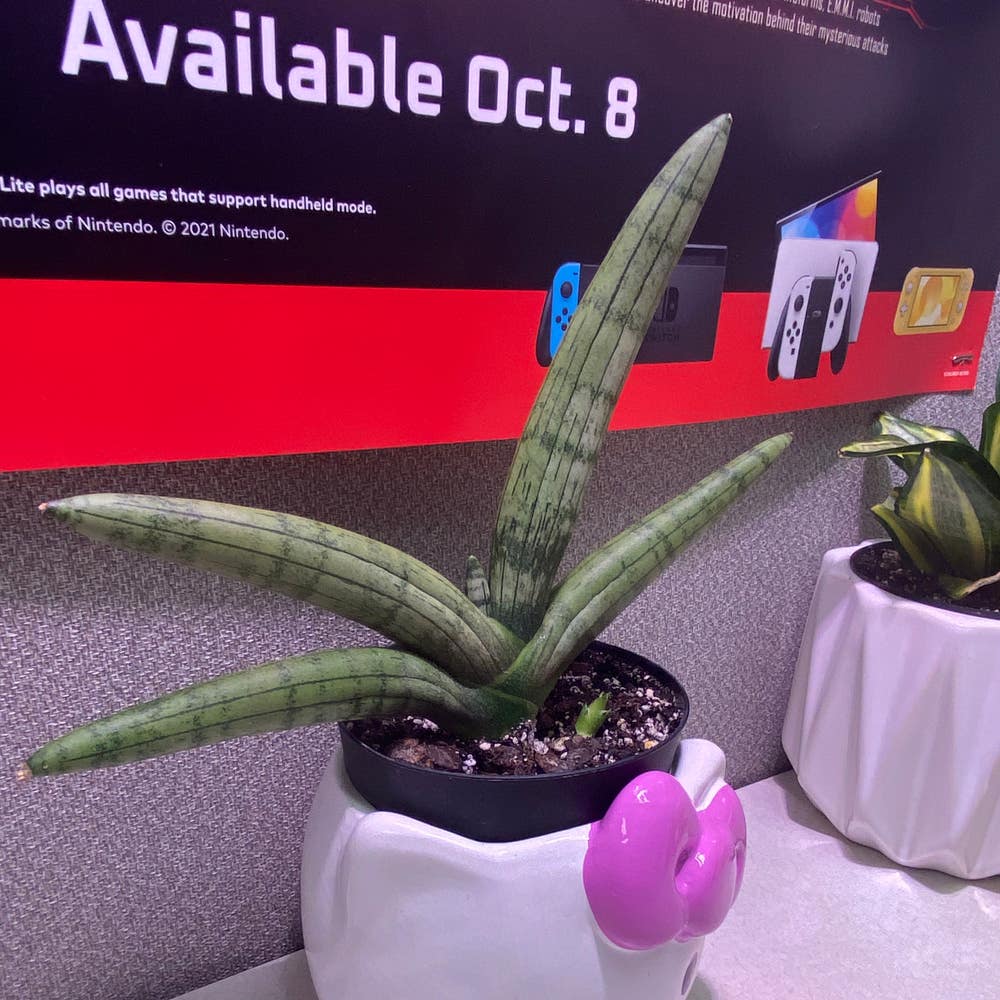
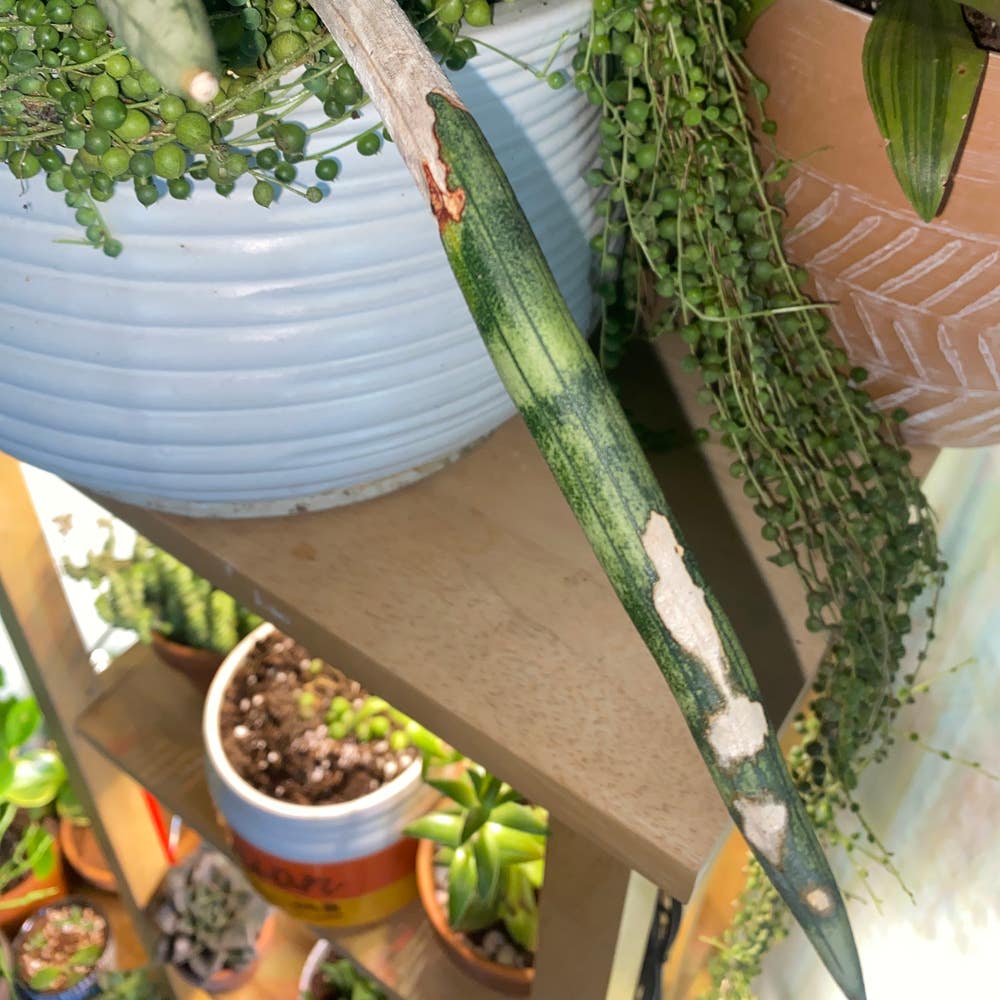
Propagating My Starfish Snake Plant: Step-by-Step Guide
Dracaena angolensis 'Boncel'
By the Greg Editorial Team
Jun 18, 2024•7 min read
This article was created with the help of AI so we can cover more plants for you. May contain errors. See one? Report it here.
Discover the joy of growing your Starfish Snake Plant family with our foolproof propagation methods. 🌱✂️
- Division vs. leaf cutting: Quick propagation or slower, experimental growth.
- Patience is crucial: Roots and new growth can take a month to appear.
- Monitor and adjust care: Watch for new shoots, roots, and adjust routines.
Choosing the Right Propagation Method
When eyeing the pros and cons of division versus leaf cutting for your Starfish Snake Plant, it's like choosing between a quick espresso shot or a slow-brewed coffee.
⏱️ Division Propagation: Quick Fix
Quick turnaround—that's the headline for division. It's your go-to when your plant's bursting at the seams and you want results fast. But remember, you'll need a mature plant with pups ready to go solo.
🐢 Leaf Cutting Propagation: Slow and Steady
Leaf cutting is the tortoise in this race. It's a test of patience with a side of unpredictability. However, it's a chance to experiment and can be deeply rewarding when that new growth finally appears.
Factors to Consider
- Plant size: Got a big plant? Division's your friend.
- Time: In a hurry? Division wins. Willing to wait? Try leaf cutting.
- Availability: Few pups? Leaf cutting might be your only option.
- Variegation: Want to keep those patterns? Division ensures it.
- Space: Limited on pots? Leaf cuttings can share space.
- Experience: New to the game? Division is more straightforward.
In the end, it's about matching your lifestyle and expectations with the right method. Whether you're a propagation pro or a first-timer, choose the path that suits you best and prepare to get your hands dirty.

Division Propagation Step-by-Step
Identifying Offshoots: Look for pups or offsets—these are your ticket to new plants. They're like mini-me's of the parent, sprouting from the base or nestled in the soil.
🌱 Separation
Gently coax the plant from its pot. It's a bit like defusing a bomb, but with dirt. Use your hands to tease apart the root ball, or if it's stubborn, a knife or spade can do the trick. Aim for each piece to have leaves, stems, and roots. Bigger pieces recover faster, but smaller ones mean more plants.
🏺 Potting
Grab a container, slightly smaller than the original, and fill it with fresh potting soil. Nestle your propagule in like it's getting tucked into bed.
💧 Watering
Give it a good drink to settle the soil. Not a flood, just a cozy settling-in.
🌞 Lighting
Bright, indirect light is the sweet spot. It's like a spa day for plants, minus the cucumber water.
🌱 Initial Care
Hold off on the fertilizer; the soil's got nutrients, and the roots need a chill period to recover. It's like they just ran a marathon.
Remember, each clone is a carbon copy of the original—no surprises here, just more of what you love.

Leaf Cutting Propagation Step-by-Step
🌱 Selecting and Preparing Leaves
To kick off your propagation journey, choose healthy leaves from your Starfish Snake Plant. Look for plump, vibrant specimens, as they’re the most likely to root successfully. Using a sterilized blade, make a clean cut near the base of the leaf. A swift, decisive snip is better than a hesitant chop.
🌊 Rooting Techniques: Water vs. Soil
💧 Water Propagation
For water rooting, place the leaf cuttings in a container filled with water, ensuring that the cut end is submerged. Change the water regularly to prevent bacterial growth. Roots should start to show within a few weeks. Once they’re about an inch long, transfer them to soil.
🌱 Soil Propagation
Alternatively, stick the leaf cuttings directly into a well-draining potting mix. Dipping the cut end in rooting hormone can encourage faster root development. Keep the soil consistently moist but not soggy. Covering the pot with a plastic bag can create a greenhouse effect, speeding up the rooting process.
Remember, patience is key. Roots may take time to develop, but with proper care, your leaf cuttings will eventually grow into new, robust Starfish Snake Plants. Keep an eye out for new growth, which is the ultimate sign of success in your propagation adventure.

Propagation Timeline and Milestones
🌱 Expected Timeline from Cutting to New Growth
Patience is the name of the game when it comes to propagation. For Starfish Snake Plant cuttings, roots may start to show within 3 weeks. If you've opted for water propagation, once roots hit the 2-inch mark, it's time to transition to soil. Expect to see new growth sprouting within a month post soil transfer, provided you're not slacking on the TLC.
👀 Monitoring Signs of Successful Propagation
Keep your eyes peeled for new shoots and roots; these are your success indicators. A transparent container can be your window into the underground party, where white, firm roots signal it's time to celebrate. But don't get handsy—resist the urge to poke and prod, or you might set back the progress.
🌿 Integrating Care Routines
As your plant baby matures, adjust care routines accordingly. A consistent moisture level is key—aim for that tropical feel without creating a mini swamp. And remember, lighting is crucial; too much sun and your plant might throw some serious shade back at you. Keep a log; it's not just for the sentimental or the data nerds. Tracking your plant's growth and your interventions can be the difference between thriving and barely surviving.
Post-Propagation Care
After the thrill of propagation, nurturing your Starfish Snake Plant's infancy is crucial. Here's how to not mess it up.
🌊 Specific Care Tips
Watering: Your baby plants are not camel cacti; they can't survive a drought. Keep the soil moist, but not like a swamp. If you're questioning your watering choices, you're probably overdoing it.
Light: Think bright but indirect, like a celebrity's Instagram filter. Too much sun and your plant's leaves will throw a fit.
Temperature: Your plant doesn't need a sauna. Keep it in a warm spot without making it sweat – room temperature is the sweet spot.
Humidity: Remember that plastic bag trick from propagation? It's like a mini greenhouse and it's still your friend. Use it to maintain humidity without creating a terrarium for fungi.
🌱 Adjusting for Growth
Water: As roots establish, dial back on the H2O. Let the topsoil dry out a bit between waterings to encourage roots to seek moisture and grow stronger.
Light: Gradually introduce your plant to more light. It's like socializing a puppy – too much too soon and you'll have a scaredy-cat on your hands.
Temperature: Avoid the temptation to shift your plant around the house. Find a stable environment and let it acclimate.
Remember, these plants are not on a sprint; they're on a marathon to adulthood. Treat them with a mix of patience and attentiveness, and they'll grow up to make you proud.
Solving Propagation Problems
🌱 Common Propagation Issues and Solutions
Propagation isn't always a walk in the park. Root rot is the bane of many plant enthusiasts, turning your Starfish Snake Plant's base into a mushy mess. To combat this, ensure proper drainage and only water when the topsoil is dry. If rot has set in, cut away the affected parts and repot in fresh, sterile soil.
Slow root development can test your patience. If your cuttings are taking their sweet time, double-check that they're not sitting in the dark. They need bright, indirect light to thrive. Also, resist the urge to overwater, as soggy conditions won't do any favors for root growth.
🐛 Pest Management
Got pests? It's not uncommon. Aphids and mealybugs might invite themselves to your propagation party. Show them the door with a neem oil treatment or insecticidal soap. Remember, cleanliness is next to pest-free-ness, so keep your tools and pots spotless to prevent unwanted guests.
🦠 Rot and Disease Prevention
Fungal diseases thrive in moist environments. To keep these uninvited guests at bay, air circulation is key. A preventative spray of fungicide can also work wonders. But if you spot signs of disease, act swiftly—remove affected areas and adjust your care routine to avoid a repeat performance.
Remember, the key to overcoming propagation problems is vigilance. Keep an eye on your plant babies, and at the first sign of trouble, show those issues who's boss.
⚠️ Safety First
This content is for general information and may contain errors, omissions, or outdated details. It is not medical, veterinary advice, or an endorsement of therapeutic claims.
Always consult a qualified healthcare professional before using any plant as food, medicine, or supplement.
Never eat any plant (or feed one to pets) without confirming its identity with at least two trusted sources.
If you suspect poisoning, call Poison Control (800) 222-1222, the Pet Poison Helpline (800) 213-6680, or your local emergency service immediately.
Spotted an error? Please report it here.
Propagate your Starfish Snake Plant with confidence, knowing that Greg 🌱 is there to support your green-thumb journey with custom care tips for your newly propagated plants.