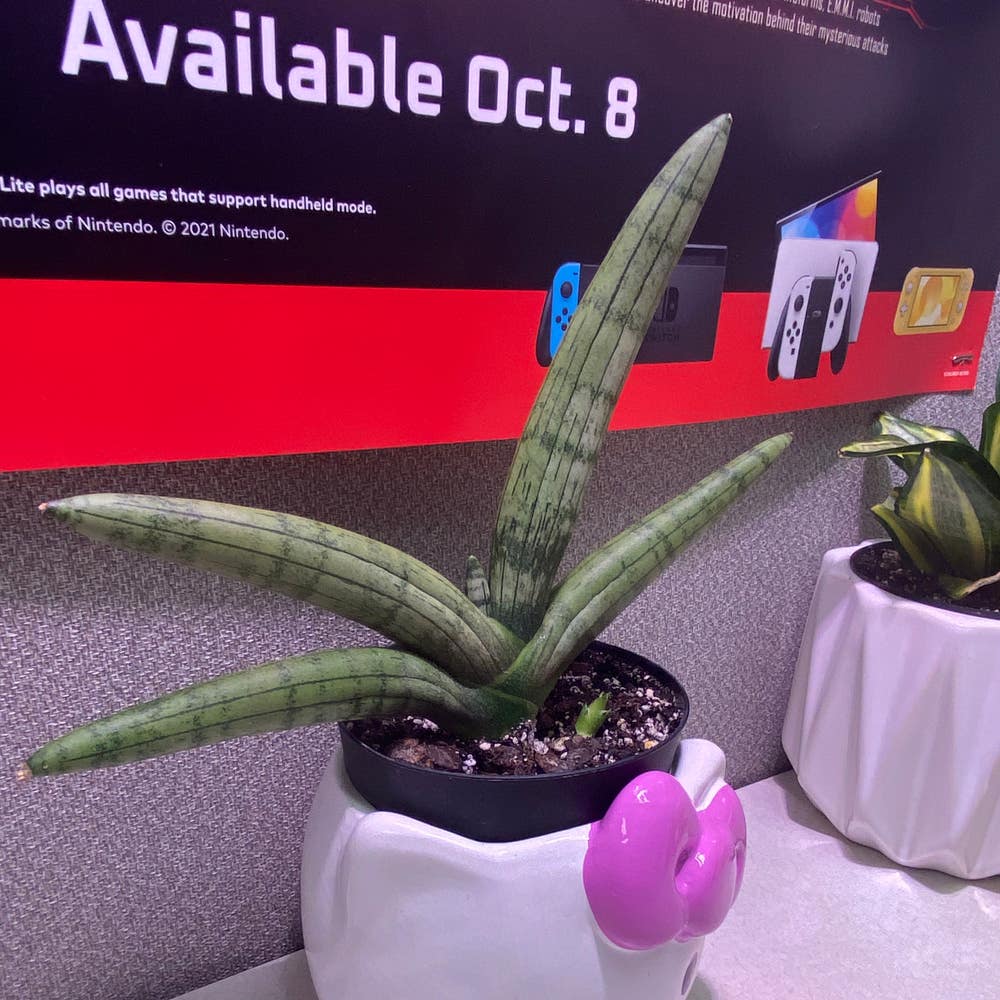
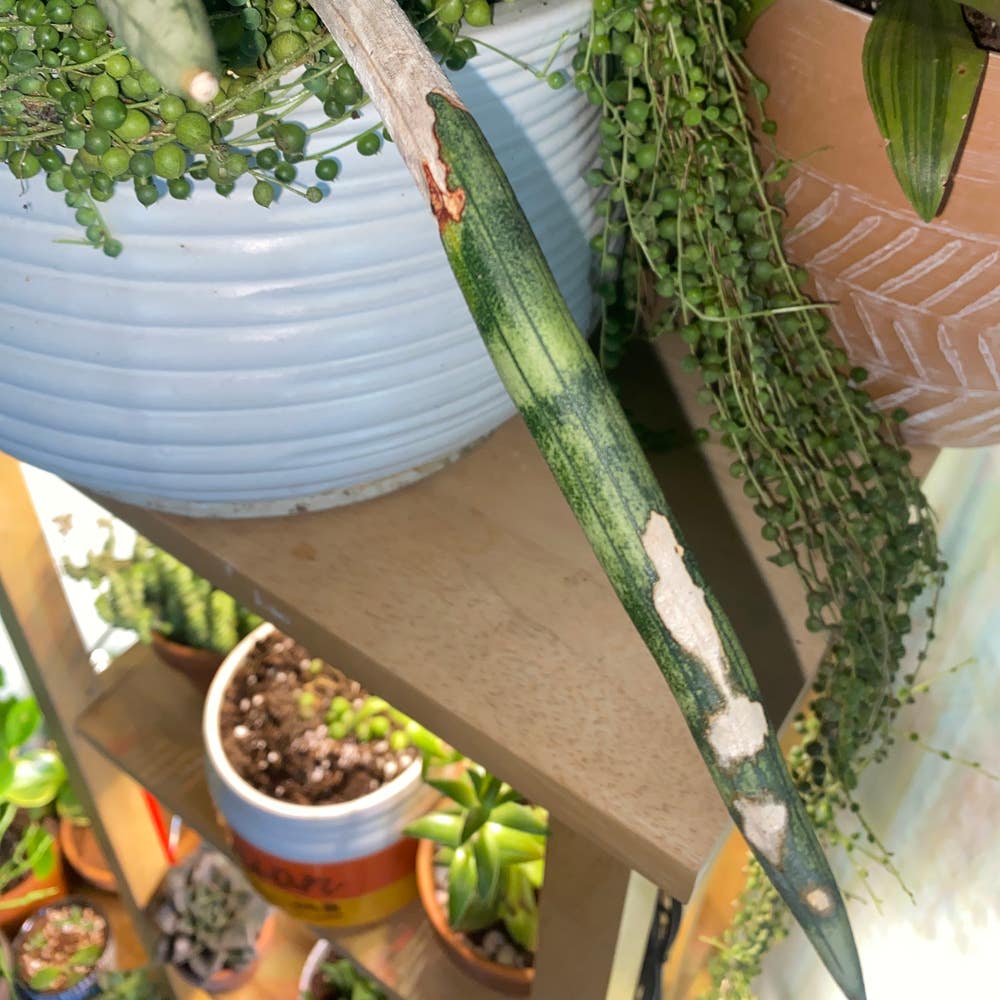
Why Are There Brown Spots on My Starfish Snake Plant?
Dracaena angolensis 'Boncel'
By the Greg Editorial Team
Jun 18, 2024•5 min read
This article was created with the help of AI so we can cover more plants for you. May contain errors. See one? Report it here.
Save your Starfish Snake Plant from pesky brown spots with these proven care tips! 🌟🍂
- 🌱 Overwatering and sunburn cause brown spots; adjust water and light.
- ✂️ Prune and repot to promote health and prevent further spots.
- 🕵️♂️ Regular inspections and care log help detect and manage issues early.
Diagnosing Brown Spots on Starfish Snake Plant
🚰 Signs of Overwatering and Root Rot
Brown spots on your Starfish Snake Plant might scream overwatering. If the leaves feel mushy and the soil is soggy, you've likely been too generous with the H2O. Root rot could be the villain here, a sneaky condition where roots drown and decay.
🌞 Symptoms of Sunburn from Light Exposure
On the flip side, brown spots could be the plant's SOS for less sun. Sunburn manifests as crispy, flat areas, typically on the leaves that soak up the most rays. If your plant's sporting a tan it didn't sign up for, it's time to dial down the light.

Immediate Actions to Treat Brown Spots
🚿 Adjusting Watering Frequency and Technique
Check the soil before you water—poke your finger in a couple of inches. If it's dry, go ahead and water. If not, hold off. Seasons change, and so should your watering habits; less is more when it's cooler. Water with the precision of a bomb diffuser, avoiding leaf splash to prevent bacterial raves.
✂️ Pruning Affected Leaves to Promote Healthy Growth
Snip off those brown-spotted leaves like you're performing surgery. Clean cuts above a node prevent infection and stop disease spread. It's not just a trim; it's a strategic move for plant health. After pruning, keep an eye out for new growth—it's the victory flag of your plant's recovery.

Long-Term Care for Preventing Brown Spots
🚰 Establishing a Balanced Watering Routine
Consistency is your plant's best friend when it comes to watering. Imagine your plant's watering schedule as a trusty metronome, keeping the beat for your plant's life symphony. Adjust the rhythm with the seasons—less frequent in the cool winter months, more generous during the summer crescendo.
🌞 Managing Light Exposure to Prevent Leaf Damage
Your Starfish Snake Plant doesn't need a sunbath; it prefers the shade of a beach umbrella. Indirect sunlight is the sweet spot, preventing the leafy equivalent of a nasty sunburn. Keep it in a well-lit room, but out of the direct line of fire from those scorching rays. If you notice the light is too intense, diffuse it with curtains or move your plant to a less exposed spot.
Remember, the goal is to mimic the dappled sunlight of its natural habitat. Too little light, and you'll have a leggy, etiolated plant stretching for the stars. Too much, and you'll witness the sad crisping of once-lush leaves. Balance is key.

Integrated Pest Management
🐞 Identifying Common Pests
Pest identification is the first step in integrated pest management (IPM). Common culprits in the Starfish Snake Plant's distress include aphids, mealybugs, spider mites, and whiteflies. These pests can be spotted as tiny insects on leaves or stems, or by the telltale damage they inflict, such as stippling, honeydew, or webbing.
🌿 Effective Treatment Options for Pest Control
Once identified, natural predators like ladybugs or lacewings can be introduced as biological control agents. For persistent problems, insecticidal soaps or neem oil offer a less toxic alternative to conventional pesticides. Always apply treatments according to label instructions and only after confirming the pest's presence to avoid unnecessary applications. Remember, IPM isn't just about reacting; it's about creating an environment less conducive to pests in the first place.
Soil and Repotting Considerations
🌱 Assessing Soil Condition
Soil quality is a big deal for your Starfish Snake Plant. If the soil resembles a dust bowl or you've noticed roots making a break for it out of the drainage holes, it's time to act. Over time, soil becomes compact, nutrient-depleted, and just plain tired—like that old mattress you should've replaced years ago.
🏡 When and How to Repot to Improve Plant Health
Repotting is like moving to a new home for your plant; it needs to be done carefully but can bring a lot of benefits. Spring or summer is moving day, when your plant's ready to grow and less likely to sulk about the change. Choose a new pot that's a smidge larger—think of it as buying jeans that actually fit, not ones you need to lie down to zip up. Go for a pot with good drainage to avoid waterlogged roots, which are about as comfortable as wet socks.
🌿 The Right Mix
For your Starfish Snake Plant, think well-draining soil that's the botanical equivalent of a comfy bean bag—supportive but not suffocating. Consider mixing in some perlite or sand to make it fluffier than a gourmet marshmallow. This isn't just about comfort; it's about keeping those roots healthy and breathing easy.
🌱 Repotting Step-by-Step
- Gently coax your plant out of its current pot; no yanking allowed.
- Tease out the roots if they're looking a bit too cozy with each other.
- Fill the new pot with your premium, well-draining soil mix.
- Plant your Starfish Snake Plant at the same depth it was before—no deep-sea diving or mountain climbing for this guy.
- Water it just enough to settle in, like a soft rain on a lazy Sunday afternoon.
Remember, repotting is a shock to the system, so keep the TLC coming with regular check-ups. Your plant will thank you with those funky, healthy leaves that made you swipe right on it in the first place.
Monitoring Plant Health
🔍 Routine Inspections for Early Detection of Issues
Regular check-ups are crucial. Like a plant detective, scrutinize your Starfish Snake Plant for signs of distress. Yellowing leaves or a stunted stature scream for attention. Rotate the pot now and then to prevent a lopsided growth tragedy.
📝 Keeping a Care Log for the Starfish Snake Plant
Jot down every twist and turn in your plant's life in a care log. This isn't just busywork; it's a lifesaver for your green buddy. Record watering dates, light changes, and your battles with pests. Spot a trend of brown spots after watering? You've got a lead. Over time, this log becomes a goldmine of personalized care tips for your Starfish Snake Plant.
⚠️ Safety First
This content is for general information and may contain errors, omissions, or outdated details. It is not medical, veterinary advice, or an endorsement of therapeutic claims.
Always consult a qualified healthcare professional before using any plant as food, medicine, or supplement.
Never eat any plant (or feed one to pets) without confirming its identity with at least two trusted sources.
If you suspect poisoning, call Poison Control (800) 222-1222, the Pet Poison Helpline (800) 213-6680, or your local emergency service immediately.
Spotted an error? Please report it here.
Eradicate brown spots 🍂 effortlessly on your Starfish Snake Plant with Greg's custom care plans and community advice for a perfectly lush companion!