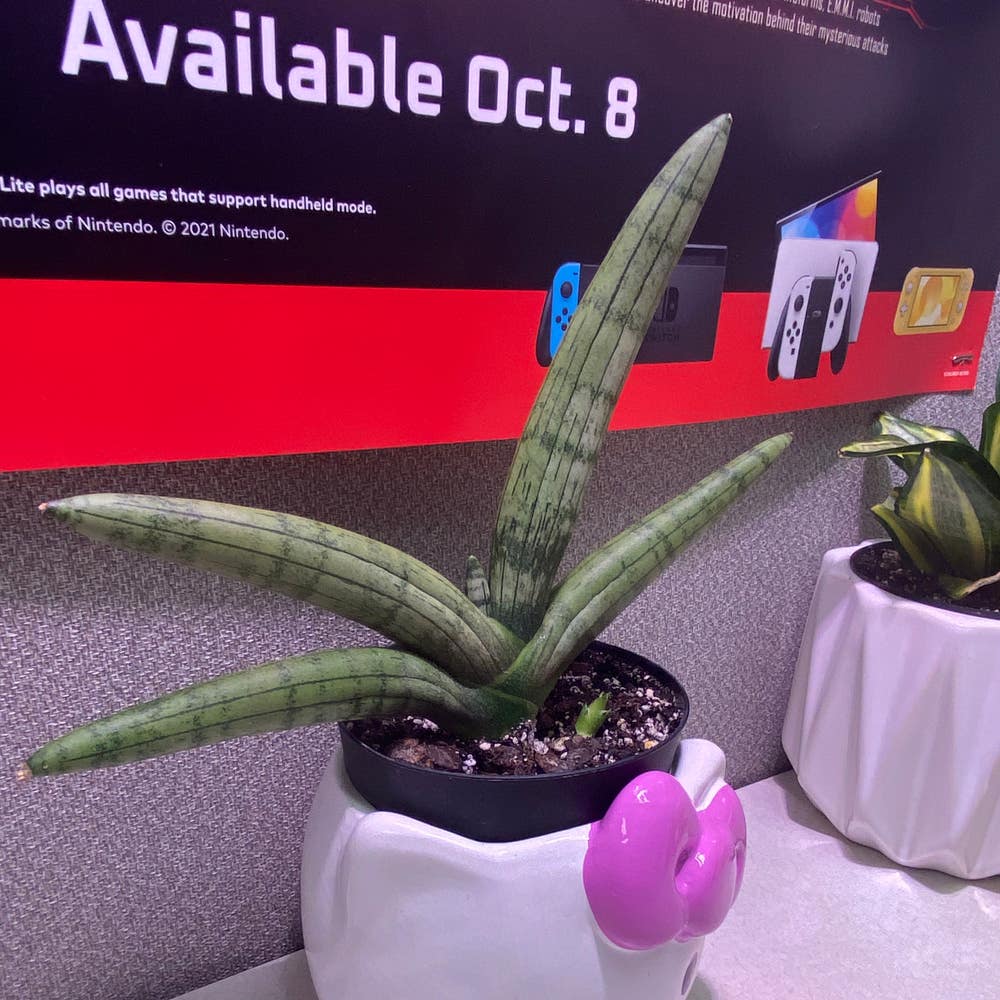
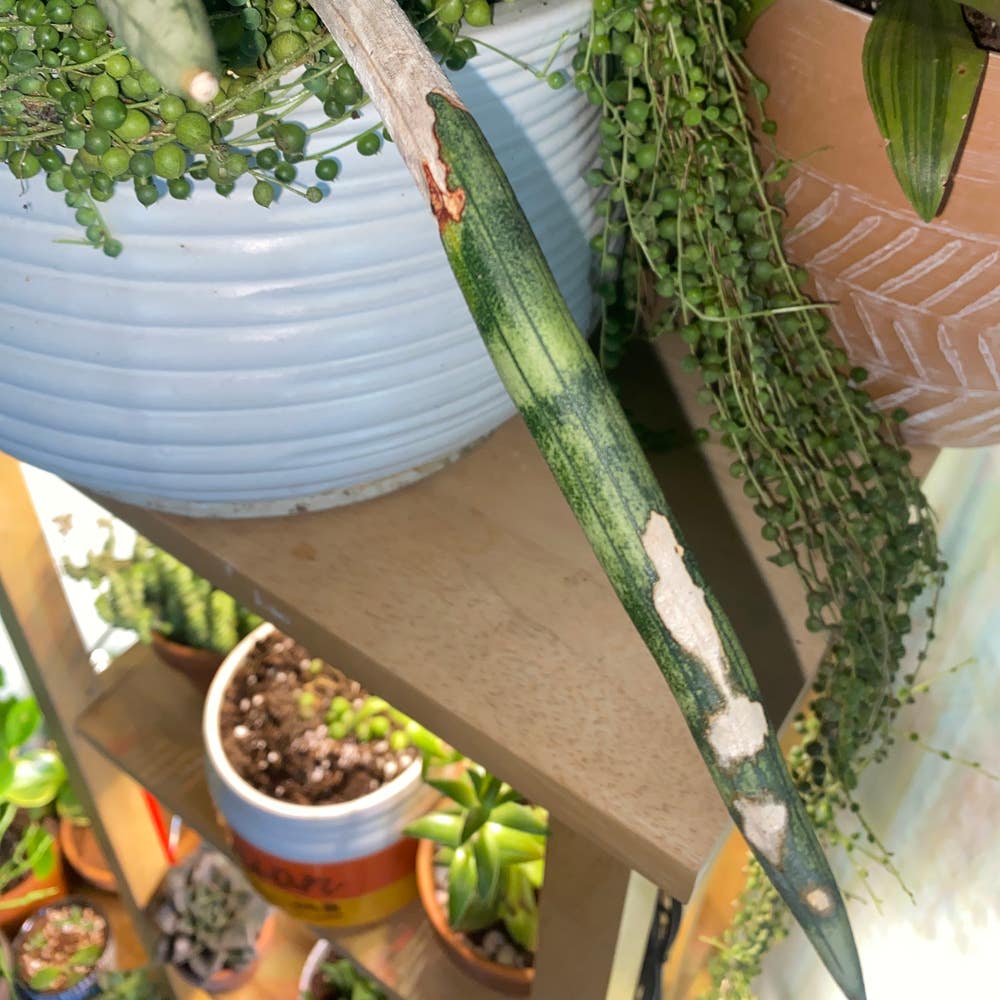
🌟 Starfish Snake Plant Zones
Dracaena angolensis 'Boncel'
By the Greg Editorial Team
Sep 29, 2024•4 min read
This article was created with the help of AI so we can cover more plants for you. May contain errors. See one? Report it here.
Master the temperature needs 🌡️ for your Starfish Snake Plant to thrive in any environment!
- 🌡️ Starfish Snake Plant thrives between 60°F and 80°F; avoid extreme temperatures.
- 🌞 Ideal USDA Zones are 9b and 10a; perfect for states like California and Florida.
- 🌱 Well-draining soil and indirect light are essential for healthy growth.
Temperature Tolerance
Cold Tolerance Specifics ❄️
The Starfish Snake Plant can handle chilly conditions, with a minimum temperature tolerance down to 30°F (-1°C). While it can survive light frost, prolonged freezing temperatures can be detrimental.
Heat Tolerance Specifics 🔥
On the flip side, this resilient plant thrives in heat, with a maximum temperature tolerance of up to 100°F (38°C). However, excessive heat can stress the plant, potentially leading to unsightly leaf burn.
Ideal Temperature Ranges for Growth 🌱
For optimal growth, aim for a temperature range between 60°F and 80°F (15°C to 27°C). Maintaining stable temperatures within this range is crucial for ensuring healthy, vibrant growth.
Understanding these temperature tolerances will help you create the perfect environment for your Starfish Snake Plant, setting the stage for its thriving journey. Next, let’s explore the ideal growing regions where this plant can truly flourish.
Ideal Growing Regions
Examples of US States Suitable for Growth 🌞
If you're looking to cultivate a Starfish Snake Plant, consider states in USDA Zones 9b and 10a. California, Florida, Texas, and Arizona are prime locations, boasting warm climates and minimal frost occurrences.
These regions provide the ideal backdrop for your plant to thrive. The consistent warmth helps ensure healthy growth and vibrant foliage.
Factors Contributing to Ideal Growing Conditions 🌱
Soil type plays a crucial role in the health of your Starfish Snake Plant. Well-draining soil is essential to prevent root rot, allowing the roots to breathe and absorb nutrients effectively.
Sunlight exposure is another key factor. While the plant prefers indirect light, it can tolerate some direct sunlight, making it versatile for various indoor and outdoor settings.
Understanding these conditions will set you up for success in growing this unique plant. With the right environment, your Starfish Snake Plant can flourish beautifully.
As you consider these ideal growing regions, think about how microclimates might also play a role in your gardening journey.
Microclimates and Their Effects
🌍 How Microclimates Can Extend Growing Zones
Microclimates are localized areas where the climate differs from the surrounding region. They can create conditions that allow plants like the Starfish Snake Plant to thrive outside their typical hardiness zones.
For instance, a south-facing wall can absorb heat and create a warmer microclimate. Similarly, areas sheltered by trees can provide protection from harsh winds and frost, making them ideal for these resilient plants.
🌱 Specific Considerations for Growing in Microclimates
When assessing microclimate conditions, consider temperature fluctuations. Keep an eye on how light exposure varies throughout the day, as this can significantly impact growth.
Moisture levels are also crucial. Ensure your Starfish Snake Plant has access to well-draining soil to prevent root rot.
For placement, look for sheltered spots that receive indirect light. These areas can provide the necessary warmth while protecting your plant from frost, ensuring it remains healthy and vibrant.
Understanding microclimates can be a game-changer for your gardening success. With the right conditions, your Starfish Snake Plant can flourish beautifully, even in less-than-ideal climates.
Next, let’s explore suitable and unsuitable states for growing this unique plant.
State-Level Analysis
Suitable and Unsuitable States 🌞
When it comes to growing the Starfish Snake Plant, certain states shine brighter than others. The ideal locations include California, Florida, Texas, Arizona, Louisiana, and parts of New Mexico. These states boast consistent warm temperatures and a low risk of frost, creating a perfect environment for this resilient plant.
On the flip side, some states are less hospitable. North Dakota, Minnesota, Maine, and parts of the Northeast present challenges due to extreme cold temperatures and high frost risk. These conditions can shorten the growing season, making it tough for the Starfish Snake Plant to thrive.
Reasons for Suitability and Unsuitability 🏜️
The suitability of these regions hinges on a few key factors. States like California and Florida enjoy warm climates year-round, allowing for uninterrupted growth. In contrast, the unsuitable states face harsh winters that can severely impact plant health.
Understanding these regional differences is crucial for anyone looking to cultivate a thriving Starfish Snake Plant. By choosing the right location, you can ensure your plant flourishes, bringing a touch of greenery to your space.
As we explore further, let’s dive into how microclimates can extend growing zones and provide additional opportunities for nurturing this unique plant.
⚠️ Safety First
This content is for general information and may contain errors, omissions, or outdated details. It is not medical, veterinary advice, or an endorsement of therapeutic claims.
Always consult a qualified healthcare professional before using any plant as food, medicine, or supplement.
Never eat any plant (or feed one to pets) without confirming its identity with at least two trusted sources.
If you suspect poisoning, call Poison Control (800) 222-1222, the Pet Poison Helpline (800) 213-6680, or your local emergency service immediately.
Spotted an error? Please report it here.
Help your Starfish Snake Plant thrive in warmth 🌞 by using Greg's tailored reminders for optimal care, ensuring it gets the right light and moisture it craves!