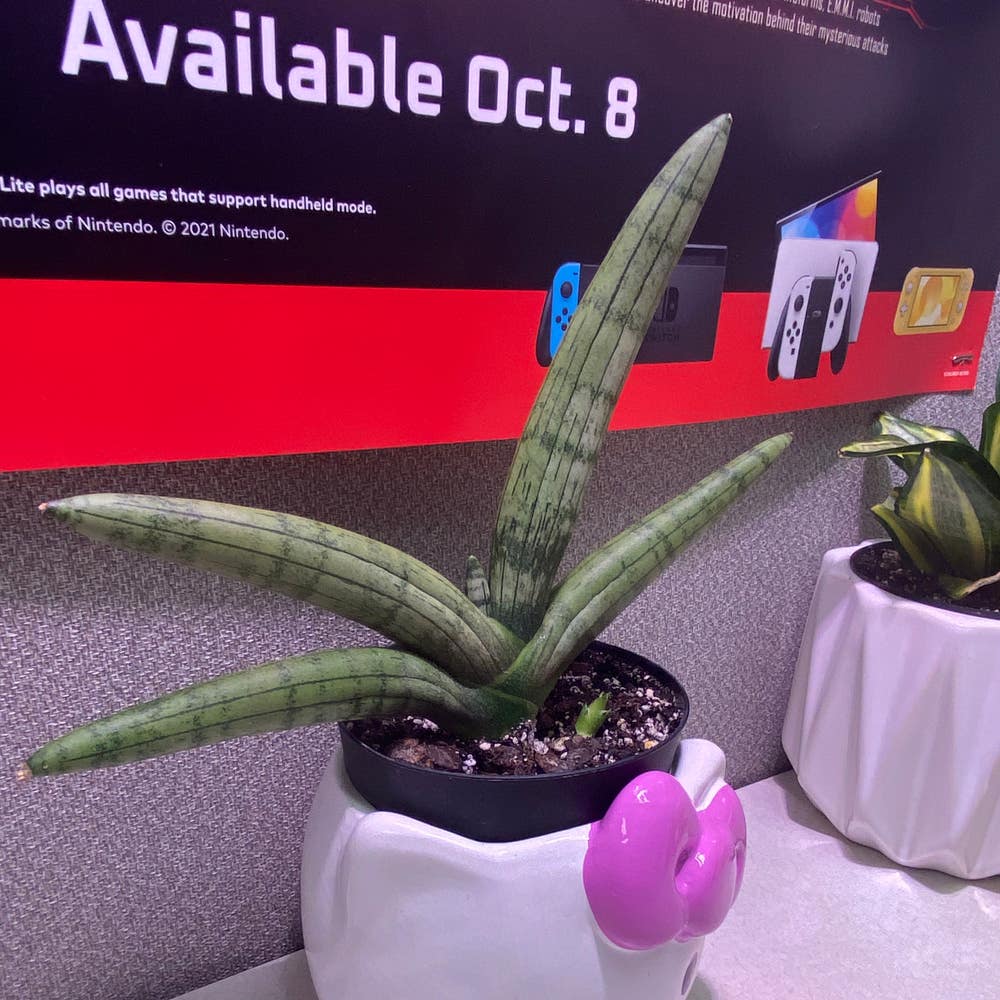
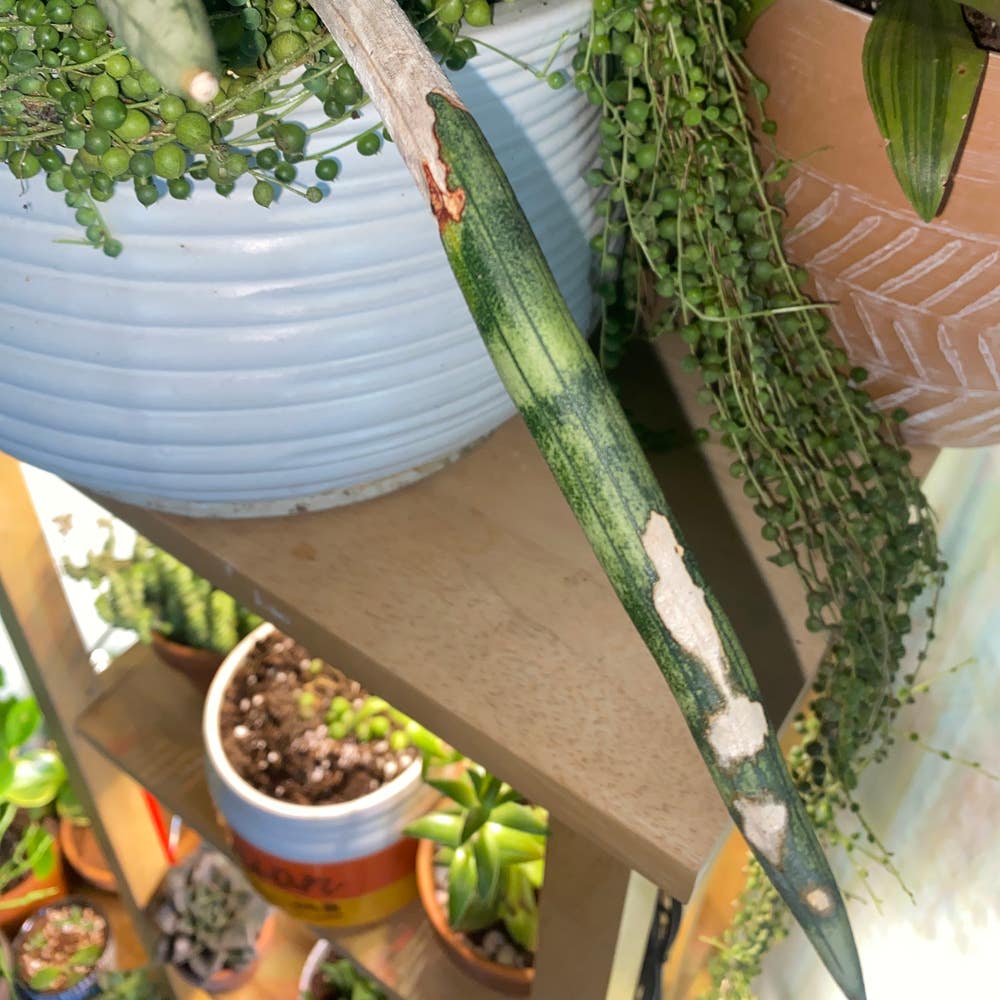
🌟 Why Are My Starfish Snake Plant Leaves Curling?
Dracaena angolensis 'Boncel'
By the Greg Editorial Team
Jun 18, 2024•7 min read
This article was created with the help of AI so we can cover more plants for you. May contain errors. See one? Report it here.
Discover why your Starfish Snake Plant's leaves are curling 🌀 and how to straighten out the issue for lush growth.
- 🌱 Adjust light and watering to prevent Starfish Snake Plant leaf curl.
- 🌡️ Maintain steady temperature; avoid drafts and extreme temperature changes.
- 🐜 Prevent pests with cleanliness and use neem oil or insecticidal soap as needed.
Common Causes and Solutions for Leaf Curling
💡 Inadequate Light
Starfish Snake Plants crave bright, indirect light. Too little light and they'll sulk, leaves curling in protest. Boost their spirits by placing them near a window with sheer curtains, or consider a grow light for those darker corners. Rotate your plant periodically to ensure even light distribution.
🚰 Watering Woes
Overwatering or underwatering can send your plant into a spiral of stress, manifesting in curled leaves. Check the soil before you water—stick your finger in up to the first knuckle. If it's dry, it's time to water. If it's damp, hold off. Remember, your plant's watering needs change with the seasons.
🌊 Swampy Soil
If the soil feels more like a wetland, you've gone overboard. Improve drainage by mixing in perlite or sand. This will help prevent root rot, a common cause of leaf curling.
🏜️ Thirsty Roots
Bone-dry soil is a cry for help. When leaves curl up to conserve water, it's time to quench that thirst. Water thoroughly, allowing excess to drain, and consider a regular watering schedule. But, don't be a slave to the calendar—adapt to your plant's needs.
🌡️ Temperature Tantrums
Extreme temperatures can make your plant's leaves curl faster than milk turns sour in the sun. Maintain a steady temperature, avoiding hot drafts or cold blasts. Think of your plant as a creature of habit that loves a predictable environment.
🌬️ Draft Dodging
Drafts are to plants what icebergs were to the Titanic. Keep your Starfish Snake Plant in a location where sudden temperature changes are as rare as a polite internet debate.
Remember, when it comes to plant care, it's a dance, not a race. Pay attention, adjust your steps, and soon enough, you'll have those leaves straightened out like a drill sergeant's bed sheets.

Soil and Environmental Factors Affecting Leaf Curling
🌱 Well-Draining Soil: A Must-Have for Starfish Snake Plants
Well-draining soil isn't just a luxury; it's a necessity for preventing leaf curl in Starfish Snake Plants. If your plant's soil is more clingy than a stage-5 clinger, it's time for an intervention. Mix in some perlite or coarse sand to increase drainage. Remember, your plant's roots need to breathe, not take a swim.
🌿 Improving Soil Health: Beyond Just Drainage
Soil health is like a good diet for your plant. It needs the right mix of nutrients and a pH that's just right. Test your soil; it's like a wellness check-up. Add organic matter to keep it fit—think of it as the soil's personal gym membership.
🌡️ Temperature: The Silent Leaf Curl Culprit
Your Starfish Snake Plant is no fan of the dramatic temperature swings. Keep it steady—sudden changes are as welcome as a snowstorm in July. Aim for a consistent temperature range that doesn't stress out your plant.
🌍 Environmental Stress: It's All About Balance
Humidity and wind are the divas of the plant world. Too much, and your plant's leaves curl up in defense. Too little, and they dry out like yesterday's toast. Find that sweet spot where the air is as refreshing as a spring morning. And please, no drafts—your plant isn't drafting a novel, it doesn't need that kind of inspiration.
☀️ Light: The Goldilocks Principle
When it comes to light, think Goldilocks—not too much, not too little, just right. Rotate your plant for even exposure; it's not sunbathing, it's photosynthesizing. Direct sunlight? Only if you want your plant to impersonate a piece of bacon. Too little light, and you'll have a stretching, sad-looking plant on your hands.
Remember, the key to preventing leaf curl is a balance of all these factors. It's like spinning plates, but with a little attention and care, you can keep them all aloft.

Pest Management and Leaf Health
🐛 Identifying Common Pests
Aphids, thrips, mealybugs, and spider mites are the usual suspects when it comes to pests causing your Starfish Snake Plant leaves to curl. These tiny critters suck the sap from the leaves, leading to the telltale curling. Look for aphids that come in various colors and are about 1/8" long. Mealybugs look like tiny cotton specks, while spider mites might leave behind fine webbing. Thrips, though hard to spot, leave a silvery trail on the foliage.
🌱 Treating Pests Organically
When you've confirmed a pest presence, it's time for action. A strong water spray can dislodge many of the pests. Follow up with a neem oil solution, which is a natural pesticide. It's crucial to apply this thoroughly, especially beneath the leaves. If the infestation is severe, you might need to repeat the treatment weekly until you've won the battle.
🚫 Preventative Measures
Prevention beats cure every time. Keep your plant's environment clean and inspect new plants for stowaways before introducing them to your home. Consider using insecticidal soap as a routine measure, especially if you've had pest issues before. And remember, good air circulation is not just for humans; it helps keep those pesky pests at bay too.
🐞 Integrated Pest Management (IPM)
Embrace the concept of IPM by involving beneficial insects like ladybugs or predatory mites. Think of it as setting up a neighborhood watch for your plants. Proper spacing and vigilant monitoring are like the social distancing of the plant world—effective at preventing pest pandemics.
🚨 Quick Action
Spotting pests early is like catching a typo before hitting send—absolutely essential. Quick action can prevent a minor issue from escalating into a full-blown infestation. Regular inspections during watering can help catch these critters before they cause serious damage. If you find them, isolate your plant and treat it immediately.

Preventative Care to Avoid Leaf Curling
🌱 Routine Care Tips
Consistency is your plant's best friend. Establish a routine for watering and care; think of it as a weekly coffee date with your Starfish Snake Plant. Ensure the soil is dry before you water again, and use room temperature water to avoid shocking the plant's roots.
👀 Monitoring Strategies
Vigilance is key. Keep an eye out for early signs of trouble, like leaf discoloration or pests. Rotate your plant periodically to promote even growth and prevent your plant from becoming the Leaning Tower of Pisa.
🌡️ Environmental Control
Temperature matters. Keep your plant in a spot where it's cozy, with temperatures above 50°F. Avoid drafty areas during winter to prevent your plant from getting the chills and curling up.
🐜 Pest Management
Pests are party crashers. Regularly inspect your plant for these uninvited guests. If you spot them, show them the exit with insecticidal soap or neem oil. Remember, a clean plant is less inviting to pests.
🌱 Soil and Nutrient Management
Don't just throw fertilizer at your plant willy-nilly. Test your soil to see what's needed. Think of it as a tailored suit for your plant—it needs to fit just right.
✂️ Pruning for Health
Pruning isn't just for looks; it's a health check-up. Remove dead or dying leaves to redirect energy to the healthy parts of the plant. It's like cutting off split ends to keep your hair looking fabulous.
🌧️ Light and Watering Adjustments
Adjust your care with the seasons. Less water in winter, more in summer. And just like us, your plant doesn't want to burn in direct sunlight, so aim for bright, indirect light.
💨 Airflow and Humidity
Good air circulation is non-negotiable. It's like giving your plant room to breathe in a crowded subway. And keep humidity in check—too much moisture is a no-go.
Remember, your Starfish Snake Plant relies on you. Treat it like a friend, and you'll be rewarded with a plant that's as unwavering as your favorite sitcom character.
⚠️ Safety First
This content is for general information and may contain errors, omissions, or outdated details. It is not medical, veterinary advice, or an endorsement of therapeutic claims.
Always consult a qualified healthcare professional before using any plant as food, medicine, or supplement.
Never eat any plant (or feed one to pets) without confirming its identity with at least two trusted sources.
If you suspect poisoning, call Poison Control (800) 222-1222, the Pet Poison Helpline (800) 213-6680, or your local emergency service immediately.
Spotted an error? Please report it here.
Prevent those pesky leaves from curling on your Starfish Snake Plant by letting Greg 🌀 tailor your care routine with smart reminders and pest-fighting strategies.