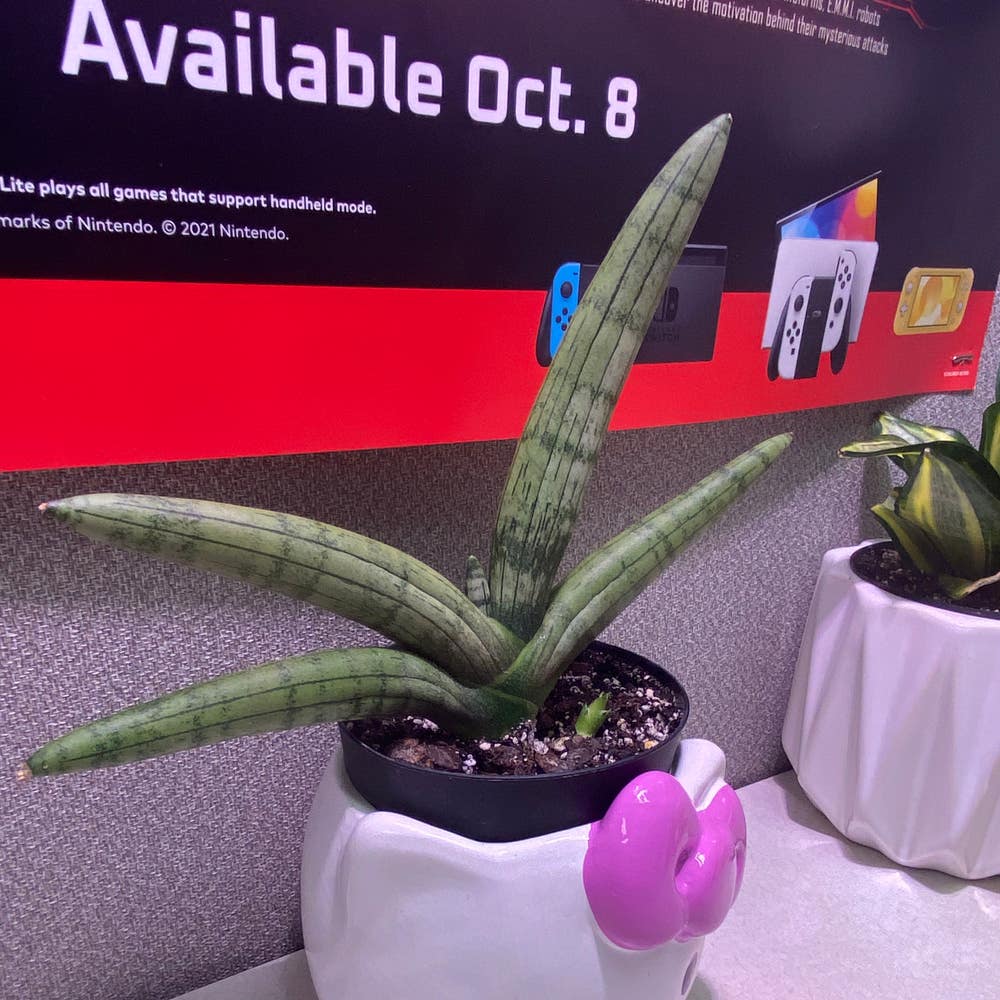
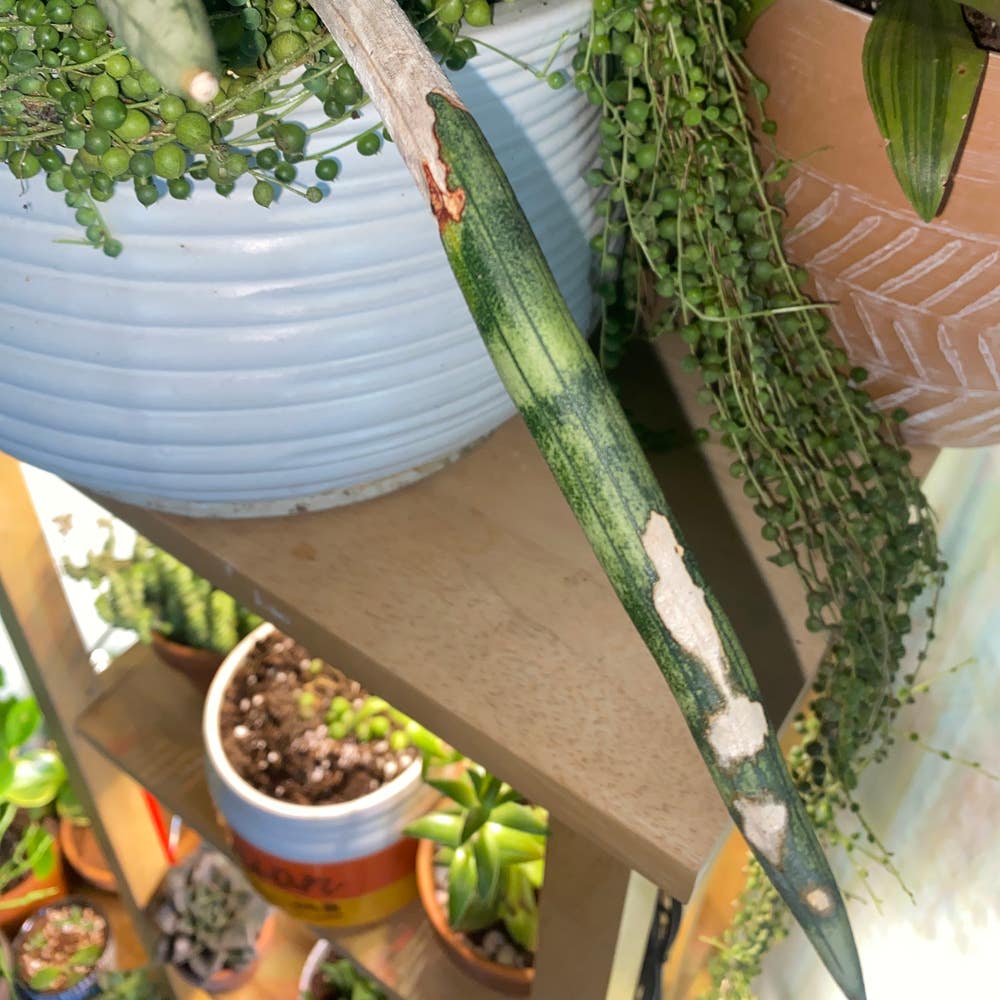
🌟 Best Soil Potting Mix for Starfish Snake Plant
Dracaena angolensis 'Boncel'
By the Greg Editorial Team
Jun 18, 2024•7 min read
This article was created with the help of AI so we can cover more plants for you. May contain errors. See one? Report it here.
Nurture a lush Starfish Snake Plant 🌟 with the ultimate soil mix guide, dodging mold and root suffocation!
- Well-draining, nutrient-rich mix is ideal for Starfish Snake Plant health.
- Monitor for mold and compaction, and adjust watering and aeration as needed.
- Homemade or commercial soil can be used; include perlite, coir, or compost.
Signs of Unhealthy Soil and Immediate Actions
Detecting unhealthy soil is crucial for the wellbeing of your Starfish Snake Plant. Look out for white, fuzzy mold or a soil stench—these are distress flares from your plant's underground world.
🍄 Mold and Compaction: Red Flags
White mold on the soil surface is your cue to cut back on hydration and improve airflow. If the soil feels more like concrete than a crumbly chocolate cake, it's time to aerate. Compacted soil is like a tight corset around the roots; it's suffocating.
🚨 Immediate Rescue Tactics
When mold crashes the party, scrape it off and let the soil dry. Overwatering is often the culprit, so ease up on the aqua. If the soil is holding water like a sponge, mix in some perlite or coarse sand to get that drainage dreamy.
👀 Keep an Eye on the Roots
Unhappy roots can signal a soil SOS. If they're looking more like leftovers than lifelines, it's time to reassess your watering game and maybe give them fresh soil that doesn't cling like a stage five clinger.
🕵️ When to Play Detective
Yellowing leaves or a general look of despair in your plant may mean it's time to turn Sherlock on your care routine. Check the soil moisture, light exposure, and consider a pot with better drainage to avoid a watery grave for your roots.
Remember, preventative care beats a cure. Regularly check your soil and roots to keep your Starfish Snake Plant thriving, not just surviving.

Selecting the Right Soil Potting Mix
🌱 Ideal Potting Mix Characteristics
The Starfish Snake Plant demands a soil mix that's the life of the party: well-draining, nutrient-rich, and loamy. It's all about balance; the mix should hold moisture without throwing a wet blanket on the roots. Aim for a pH sweet spot between 5.5 to 7.0.
🛍️ Commercial Soil Mix Options
When shopping for your plant's new home, consider these VIPs of commercial soil mixes:
- FoxFarm Ocean Forest Organic Potting Soil: It's like a first-class ticket for roots, offering a lightweight and well-draining stay with a bonus of organic ingredients.
- Miracle-Gro Indoor Potting Mix: This mix is like a bouncer at the club, reducing the risk of gnat infestations while ensuring the party inside (aka your plant) thrives.
- Espoma AP8 8-Quart Organic Potting Mix: With myco-tone for moisture retention, it's like having a smart home system for your plant's hydration needs.
- Miracle-Gro Cactus, Palm & Citrus Potting Mix: Designed to avoid "wet feet," this mix ensures your Starfish Snake Plant won't get cold feet about growing.
🌿 Components to Look For
Keep an eye out for coconut coir and composted bark. Coconut coir is the life coach for soils, promoting good aeration and gradual moisture release. Composted bark, on the other hand, is like a personal trainer for roots, encouraging growth and breathability.
🏠 A Note on Homemade Mixes
If you're feeling crafty, you can mix your own soil. Just remember to sterilize it to avoid unwanted guests. Think of it as a custom suit for your plant – it needs to fit just right.
💡 Pro Tip
Always check for drainage holes in your pot; they're the escape route for excess water. No holes? No problem. Just add a layer of orchid bark at the bottom to keep things high and dry.

Crafting a Homemade Soil Mix for Starfish Snake Plant
Creating your own soil mix for the Starfish Snake Plant is like becoming a chef for your green buddy – you're aiming for a Michelin-starred meal that caters to its unique palate. Let's dive in.
🌱 Step-by-Step Guide to a Homemade Mix
- Gather Ingredients: You'll need coarse sand for drainage, coco coir or peat moss for moisture retention, and compost to enrich the mix with nutrients.
- Mixing: Combine one part sand, one part coco coir, and one part compost. If you're feeling fancy, throw in some perlite for extra aeration.
- Consistency Check: Aim for a mix that feels gritty yet holds moisture. It should crumble like a good cookie, not clump like wet clay.
- pH Balance: The Starfish Snake Plant prefers a slightly acidic to neutral pH. Use a test kit and adjust with limestone if needed.
🔥 Sterilizing Your Mix
- Oven Method: Preheat to 200°F (93°C). Spread the mix on a baking tray and bake for 30 minutes. This zaps unwanted critters and pathogens.
- Microwave Method: If you're short on time, nuke it! Dampen the mix, cover it with plastic wrap, and microwave on high until steamy (about 10 minutes).
- Cool Down: Let the mix cool off before planting. Your plant's roots are sensitive to heat – no one likes a hotfoot.
Remember, sterilization is crucial. It's like giving your plant a clean slate, free from the drama of mold and disease.

Soil Maintenance and Periodic Amendments
🌱 Maintaining Soil Quality
Consistency is key in soil maintenance. Just like your favorite coffee blend, your Starfish Snake Plant's soil needs regular tweaking to maintain its zest. Monitor the soil's moisture and texture; it should feel like a wrung-out sponge, not a soggy mop. Aerate the soil gently with a chopstick or similar tool to prevent compaction, ensuring the roots can breathe easy.
📅 When to Amend Soil
Seasonal changes dictate your soil amendment schedule. As the growing season kicks into gear, your Starfish Snake Plant craves more nutrients. This is the prime time to rejuvenate the soil. Think of it as a spa day for your plant's roots.
🌿 How to Amend Soil
🌱 Organic Matter
Mix in compost or worm castings to boost nutrient levels. It's like giving your plant a superfood smoothie.
🧪 Soil Testing
Test the soil every so often. It's like a check-up for your plant, ensuring it's getting the right balance of nutrients.
🌼 Fertilization
During the growing season, a balanced water-soluble fertilizer every few weeks will keep your plant thriving. It's the equivalent of a steady diet of healthy meals for optimal growth.
🍂 Mulching
In the cooler months, consider adding a top layer of mulch to minimize moisture loss and protect the roots from temperature swings. It's like a cozy blanket for your plant's feet.
🚰 Adjusting for Drainage
If you're dealing with a case of the clumps, mix in some perlite or coarse sand to improve drainage. It's like installing a better drainage system in a house to prevent water damage.
🕵️ Regular Checks
Inspect the soil and roots periodically for signs of distress. Early intervention can prevent a full-blown plant crisis. Remember, a stitch in time saves nine—regularly check and adjust your soil conditions to prevent issues from escalating.
Troubleshooting Soil Problems
🦠 Soil Mold and Compaction
When your Starfish Snake Plant's soil turns against it, mold and compaction are the usual suspects. Mold, a fluffy white nemesis, signals excess moisture and poor air circulation. Act fast: remove the plant, discard the moldy soil, and replace it with a fresh, well-draining mix. Compaction, the silent growth stunter, deprives roots of oxygen. If the soil feels as unyielding as a week-old baguette, it's time to lighten it up. Mix in perlite or coarse sand to restore its breathability.
🌱 Repotting the Starfish Snake Plant
Repotting is like a spa day for your plant, but with more dirt. If your Starfish Snake Plant is looking as cramped as a clown car, upsizing is overdue. Choose a new pot that's a couple of inches larger in diameter—think of it as buying jeans with a little stretch. Remember, the pot needs drainage holes like you need coffee in the morning—non-negotiable. During the repot, tease out the roots gently, like you're unraveling a plot twist in a mystery novel. Then, settle your plant into its new home with a well-draining soil mix, and watch it thank you with unabashed growth.
⚠️ Safety First
This content is for general information and may contain errors, omissions, or outdated details. It is not medical, veterinary advice, or an endorsement of therapeutic claims.
Always consult a qualified healthcare professional before using any plant as food, medicine, or supplement.
Never eat any plant (or feed one to pets) without confirming its identity with at least two trusted sources.
If you suspect poisoning, call Poison Control (800) 222-1222, the Pet Poison Helpline (800) 213-6680, or your local emergency service immediately.
Spotted an error? Please report it here.
Keep your Starfish Snake Plant thriving 🌱 with Greg's personalized reminders to check soil moisture and tailor your potting mix for peak plant health.