Common Starfish Snake Plant Problems
Dracaena angolensis 'Boncel'
By the Greg Editorial Team
Jun 18, 2024•10 min read
This article was created with the help of AI so we can cover more plants for you. May contain errors. See one? Report it here.
Revive your Starfish Snake Plant 🌟 and prevent future woes with our expert care and troubleshooting guide.
- Yellow, wrinkled, or brown leaves signal watering issues; adjust your routine.
- Pests and temperature swings stress plants; use traps and control environment.
- Prevent root rot and mold with proper soil, drainage, and careful watering.
Recognizing Signs of Distress in Starfish Snake Plant
🚱 Visual Symptoms
Yellowing leaves may be your Starfish Snake Plant's way of saying, "I've had too much water!" Conversely, wrinkled leaves scream, "I'm parched!" Keep an eye out for brown tips as well; they're a telltale sign of inconsistent watering habits.
🌱 Growth and Texture
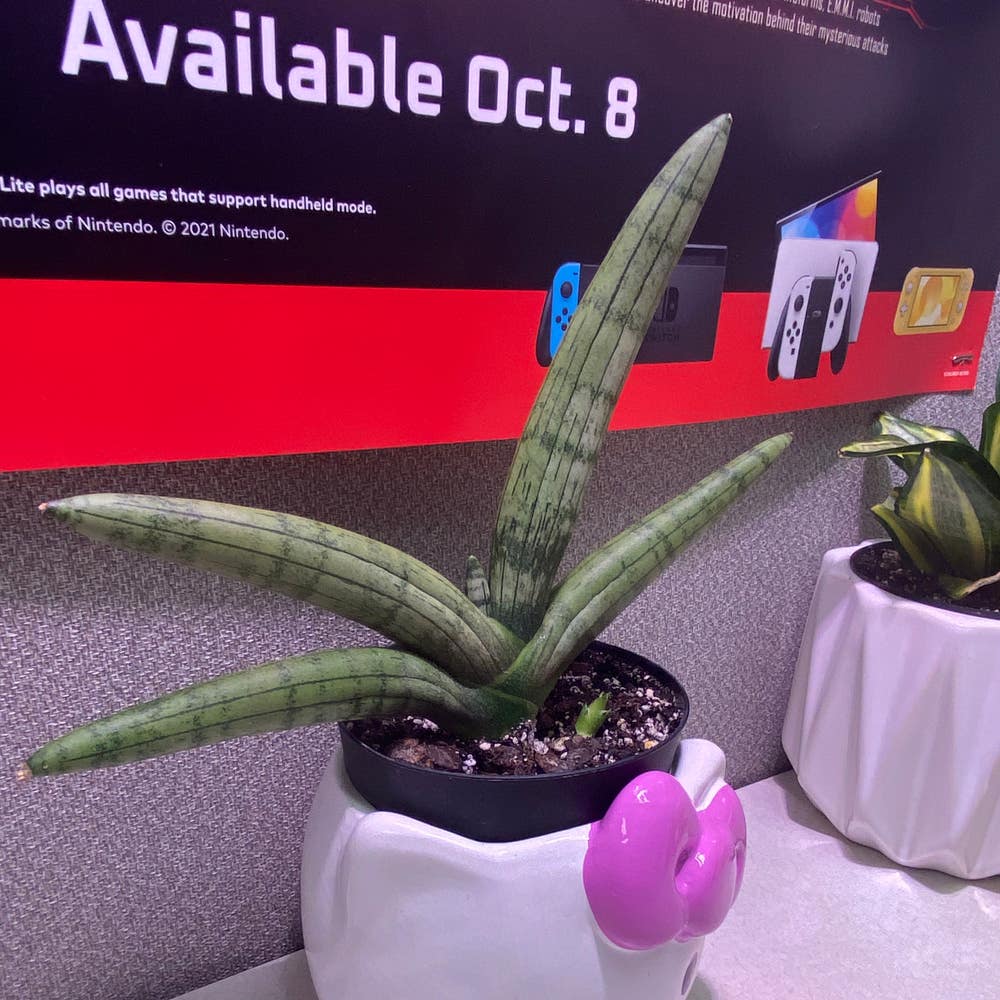
A healthy Starfish Snake Plant stands tall and firm. If yours is soft or mushy, you've likely overdone the hydration. On the flip side, a plant that's shriveling is begging for a drink.
🐜 Pests and Spots
Spider mites and mealybugs are like uninvited guests at a plant party. If you spot them, it's time for pest control. And if you see black spots or speckles, that's your cue to play plant doctor—something's not right.
🌡️ Temperature Tells
Cold drafts or excessive heat can turn your plant's leaves into a sad, darkened mess. If the leaves are falling over, it's a clear sign that your plant is not in its happy temperature zone.
💧 Humidity and Light
While the Starfish Snake Plant is a tough cookie, it still has its preferences. Too much direct sunlight can lead to leaf scorching, and low humidity levels might not jive with its tropical soul.
🚩 Overarching Signs
Stunted growth or a lack of new leaves can indicate that your plant is under some sort of stress. It's not just being lazy; it's trying to tell you that something in its environment needs tweaking.
Remember, the Starfish Snake Plant may be hardy, but it's not invincible. Keep these signs in mind to ensure your spiky friend stays as perky as a starfish in the ocean's depths.

Watering Issues: Over and Under-Watering
Watering is a balancing act for the Starfish Snake Plant. Over-watering can lead to a host of issues, including the dreaded root rot, while under-watering can stunt the plant's growth and vitality.
🚱 Identifying Over-Watering
Yellow leaves and a musty smell from the soil are telltale signs of too much water. If the pot feels unusually heavy or water pools on the surface, you've gone overboard.
🚿 Correcting Over-Watering
First, halt all watering immediately. Check the roots for rot—snip the mushy ones. Let the soil dry out before giving it another drink. And seriously, ensure your pot has drainage holes.
🏜️ Identifying Under-Watering
A thirsty Starfish Snake Plant has wrinkled leaves. It's the plant's way of saying, "Hey, I could use a splash of water here!"
🚰 Correcting Under-Watering
When the soil feels dry, give your plant a thorough watering, allowing excess water to drain. No sips here—we're going for a full gulp to quench its thirst.
Establishing a Watering Schedule
Every other week might be your mantra, but always check the soil's moisture first. If it's still damp, skip the watering. Your plant will thank you for not drowning it.
Remember, the Starfish Snake Plant is more camel than fish—it can handle a drought better than a flood. Keep that in mind, and you'll avoid the most common pitfall of plant parenting.

Light and Temperature Stress
🌞 Recognizing the Signs
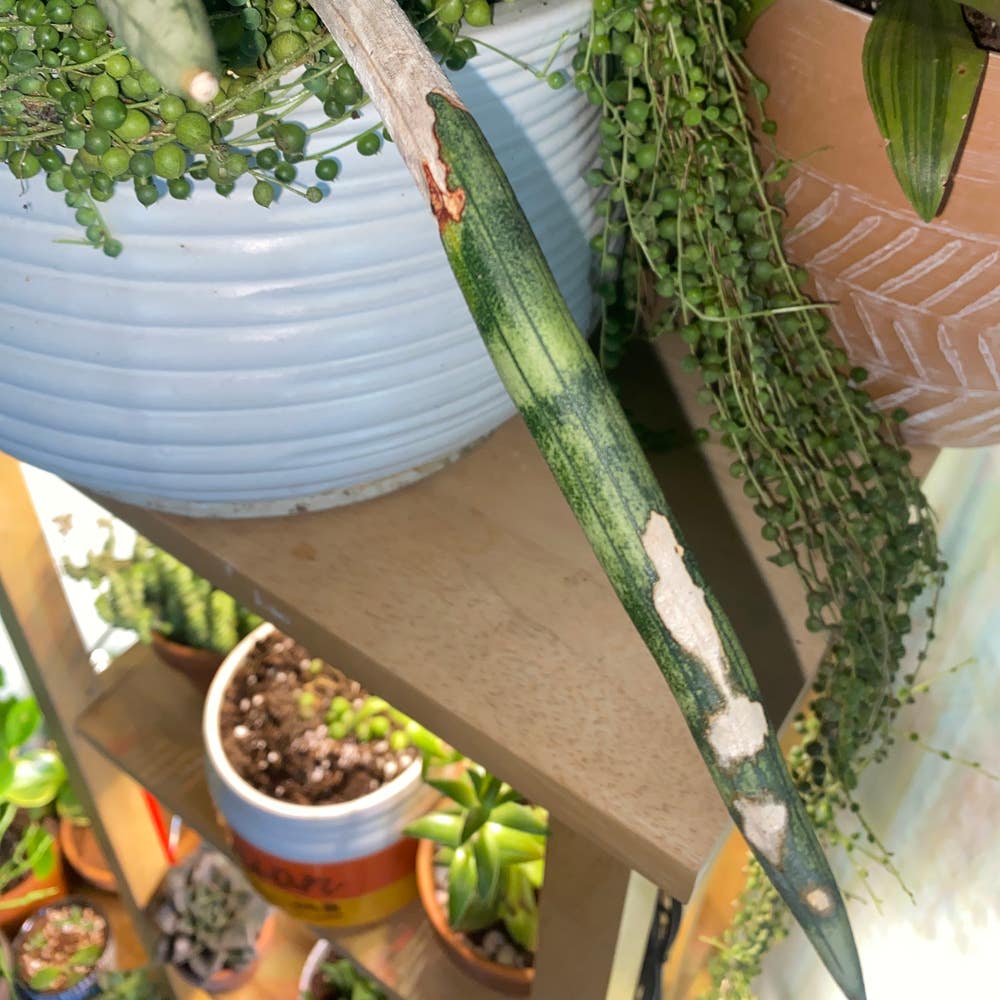
Leaf scorching is a telltale sign that your Starfish Snake Plant is getting too much light. Brown, crispy patches on the leaves scream for your attention, begging for a change in their sunbathing routine. On the flip side, stunted growth and leaf drop might indicate your plant is throwing a fit over being too cold or too hot. It's a delicate balance, like trying not to overcook a steak.
🌱 Adjusting Light Exposure
To prevent the plant equivalent of a sunburn, move your plant to a spot with medium, indirect sunlight. Think of it as repositioning your lounge chair to catch the perfect amount of sun without turning into a lobster. If your space is as dark as a cave, consider grow lights; they're like a plant's personal sun when the real deal is on vacation. And don't forget to give your plant a twirl occasionally; it's like ensuring everyone gets a turn on the dance floor.
🌡️ Temperature Control
When it comes to temperature, think of your plant as a Goldilocks; it wants conditions that are just right. Avoid drafts and direct heat sources like they're bad social etiquette. If your plant's leaves are rolling up tighter than a burrito, it's time to check the humidity and temperature. High humidity can be a plant's spa day, but too low, and you'll have a dried-up leaf jerky situation.
🌿 Stabilizing the Environment
If your plant is shivering or sweating, it's time to play thermostat ninja. Gradual acclimatization helps prevent shock, like easing into a hot bath. And remember, while you can't control the weather, you can control how your plant experiences it—so be the plant's hero and shield it from the harsh elements.

Pest Infestations and Management
🐜 Identifying Common Pests
Spider mites, mealybugs, thrips, and fungus gnats are the usual suspects when it comes to pest infestations in Starfish Snake Plants. Spider mites are tiny and can cause webbing and speckled leaves. Mealybugs look like small cottony clusters, while thrips leave silver streaks on leaves. Fungus gnats, though more annoying than harmful, indicate overwatering.
🚫 Proven Eradication Strategies
To tackle these pests, start with isolation to prevent spread to other plants. Yellow sticky traps are effective for catching adults. Insecticidal soap or neem oil can be applied directly to pests for a plant-safe solution. For a more heavy-duty approach, synthetic pesticides like Bonide Systemic House Plant Insect Control may be necessary.
🛡️ Preventative Measures
Prevention is key. Ensure your plant is in optimal health by following proper care guidelines—this makes it less appealing to pests. Quarantine new plants for a month to ensure they're pest-free before introducing them to your collection. Regularly dusting the leaves can also deter pests and keep your Starfish Snake Plant looking sharp.
Fungal Problems: Mold and Root Rot
Mold and root rot are the bane of many houseplants, and the Starfish Snake Plant is no exception. These issues are often a result of too much love in the form of water or a less-than-ideal potting situation. Let's dive into the signs and solutions.
🚫 Recognizing the Foe
Dark, mushy roots and a less than pleasant smell are your first clues that root rot has gatecrashed your plant party. If the base of your plant feels like a squishy banana, you're in trouble. Mold, on the other hand, is a sneaky guest, often starting as a white or greenish fuzz on the soil surface.
🛠 Booting Out Root Rot
- Unpot the plant and say goodbye to the soggy soil.
- Inspect the roots, ruthlessly snipping away any that have turned to mush.
- Dust off the healthy roots with cinnamon—nature's antifungal.
- Repot with fresh, well-draining soil in a clean pot with drainage holes to match.
🍄 Mold Be Gone
For surface mold, a sprinkle of cinnamon can work wonders. If you're feeling more aggressive, a diluted hydrogen peroxide mix can double as a plant antiseptic. Just remember, it's strong stuff—handle with care.
💡 Prevention: The Best Medicine
- Water wisely: Let the soil dry out between waterings, and when you do water, don't drench the plant like it's in a wet t-shirt contest.
- Soil and pot: Use a mix that drains faster than a sink without a stopper and a pot that doesn't hoard water like a camel.
- Temperature: Keep it cozy but not tropical. Think comfortable spring day, not a steamy summer in the bayou.
By staying vigilant and acting quickly at the first sign of distress, you can ensure your Starfish Snake Plant remains the resilient, striking specimen you know and love.
Specific Care Errors and Their Remedies
🌱 Improper Soil Mix
The wrong soil can spell disaster for your Starfish Snake Plant. If it's more like quicksand than a nurturing bed, it's time to act. Mix in perlite or coarse sand to improve drainage and aeration. Think of it as giving your plant's roots a roomier apartment with better airflow.
🚰 Poor Drainage
A plant swimming in its pot is a no-go. Ensure your pot's drainage holes aren't just for decoration. If water isn't escaping, it's a bathtub, not a home. Add a layer of gravel at the bottom or switch to a pot that understands the meaning of goodbye when it comes to excess water.
💧 Overwatering
Drenched roots are a cry for help. If the soil feels like a wet sponge, it's time to back off with the watering can. Let the soil dry out more between waterings, and consider a soil change if it's holding water like a camel.
🍽️ Nutrient Issues
Yellow leaves? Slow growth? Might be a nutrient deficiency. Before you go full mad scientist with fertilizers, try a gentle, organic approach like compost or worm castings. And remember, more isn't always better—avoid the temptation to over-fertilize.
🐜 Pest Management
If you spot unwanted critters, don't roll out the red carpet. Insecticidal soap can be your bouncer, showing pests the door. Keep it organic and avoid the nuclear options that could harm more than help.
🩹 Root Rot Surgery
When roots turn to mush, it's scalpel time. Trim away the dead parts with precision. Then, give your plant a fresh start with a well-draining soil mix. Think of it as post-op care for your green buddy.
🌬️ Seasonal Adjustments
As the seasons change, so should your care routine. In hot summers, your plant might need a soil mix that retains a bit more moisture. In cooler winters, less is more. Stay vigilant and adapt—your plant will thank you.
Remember, the Starfish Snake Plant isn't asking for a miracle, just some common sense and a bit of TLC. Address these issues promptly, and you'll be on your way to a happy, healthy plant that's as resilient as it is striking.
Reviving a Starfish Snake Plant: Treatment and Prevention
💦 Immediate Resuscitation Steps
Trim the Damage: Snip off brown or mushy leaves with clean shears—think of it as giving your plant a fresh start.
Dry Out: Overwatered? Let the soil air out or replace it entirely to ward off root rot.
Root TLC: Inspect the roots; trim any that are blackened or soggy.
Repot: Give your plant a new home with well-draining soil, ensuring the pot has drainage holes.
Light It Up: Position your plant where it can bask in bright, indirect sunlight—no tanning beds, please.
Fertilize Wisely: A half-strength water-soluble fertilizer can give your plant a gentle boost.
🚫 Preventative Measures
Water When Dry: Stick your finger in the soil; water only when the top inch feels like a dry martini.
Avoid Sunburn: Direct sunlight can scorch leaves faster than a vampire at dawn.
Pest Patrol: Keep an eye out for freeloaders. If pests show up, show them out with neem oil or insecticidal soap.
Humidity Check: These guys aren't into dry, stale air—aim for medium humidity.
Seasonal Feeding: Treat your plant to diluted cactus food in the summer, but don't overdo it.
🕵️ Ongoing Vigilance
Regular Checkups: Be the plant parent who actually notices changes.
Prune with Purpose: Cut back any sad-looking stems during the growing season—spring to early fall.
Repotting Ritual: Only when your plant's roots are cramped. Remember, they like their space.
Propagation Pro-tip: Want more starfish buddies? Propagate with leaf cuttings in well-draining soil.
Remember, the Starfish Snake Plant is a survivor. With a little love and a lot of neglect, it'll thrive.
⚠️ Safety First
This content is for general information and may contain errors, omissions, or outdated details. It is not medical, veterinary advice, or an endorsement of therapeutic claims.
Always consult a qualified healthcare professional before using any plant as food, medicine, or supplement.
Never eat any plant (or feed one to pets) without confirming its identity with at least two trusted sources.
If you suspect poisoning, call Poison Control (800) 222-1222, the Pet Poison Helpline (800) 213-6680, or your local emergency service immediately.
Spotted an error? Please report it here.
Ensure your Starfish Snake Plant stays healthy and robust 🌱 with Greg's custom care schedule and pest control advice, tailored just for your green buddy's needs.