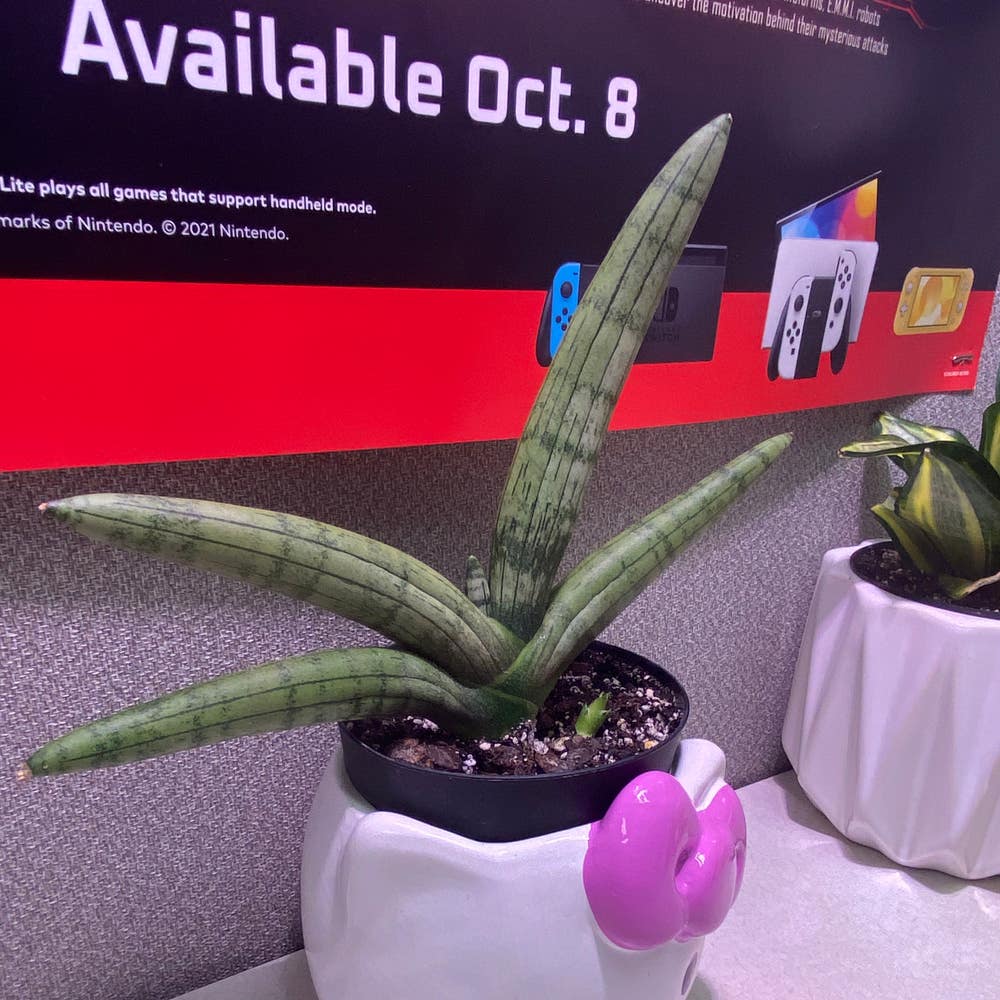
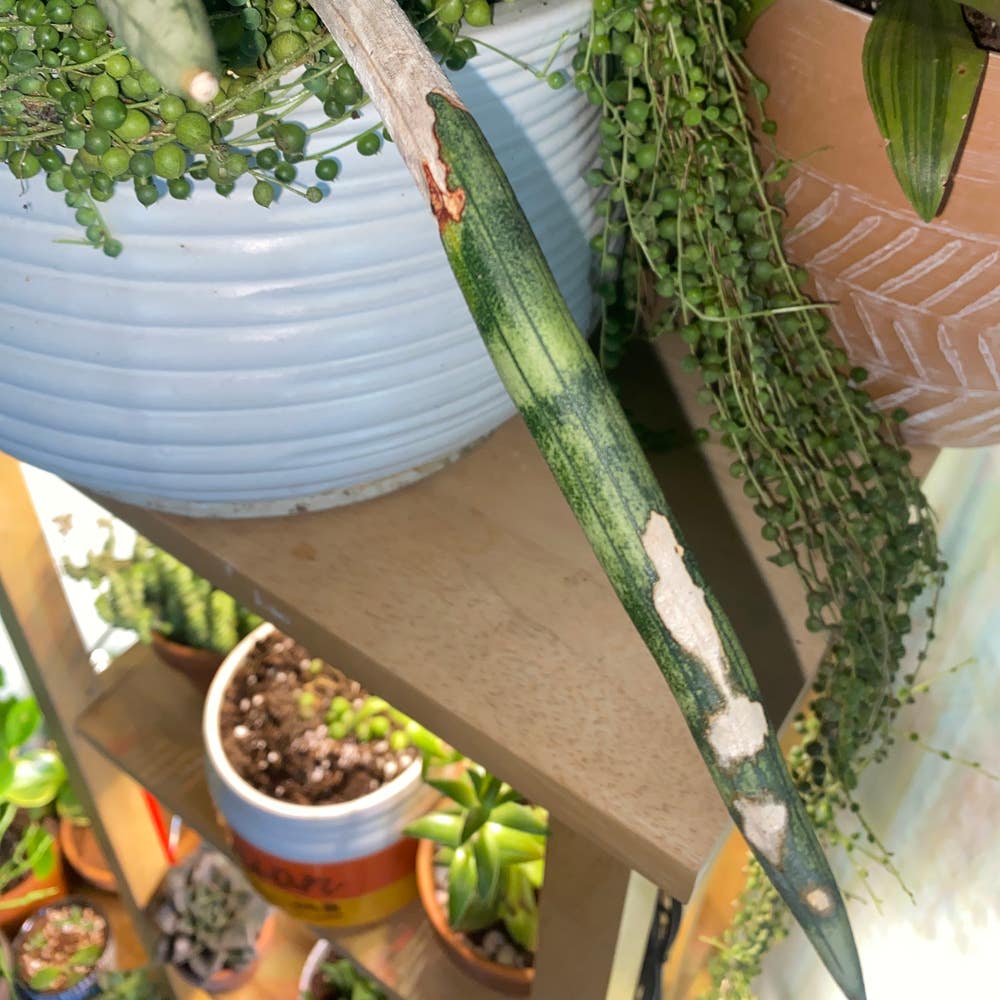
🌟 Should I Repot My Starfish Snake Plant And If So, How?
Dracaena angolensis 'Boncel'
By the Greg Editorial Team
Jun 18, 2024•7 min read
This article was created with the help of AI so we can cover more plants for you. May contain errors. See one? Report it here.
Boost your Starfish Snake Plant's growth 🌟 with savvy repotting tips for a lush, happy home! 🏡
- 🌱 Repot when roots show or growth slows, ideally in early spring.
- 📏 Choose a pot 1-2 inches larger with well-draining soil mix.
- 💧 Water thoroughly post-repot, then wait a week to water again.
Recognizing When to Repot
🌱 Roots making a break for it through the drainage holes? That's your Starfish Snake Plant's version of waving a white flag. When the roots have nowhere else to go, they'll start poking out of the bottom, seeking new territory.
📏 Growth got you guessing? If your plant's upward and outward expansion has hit the brakes, it's likely pleading for more space. A slowdown in growth is a tell-tale sign that your green buddy is feeling cramped.
💧 Thirstier than a teenager after sports practice? When the soil dries out faster than you can say "hydrate," it's a hint that your plant's roots have taken over the pot, leaving little room for moisture to hang around.
🏠 The soil's more tired than you on a Monday morning. If the soil looks depleted or is breaking down, it's not just an aesthetic issue. It's a sign that your plant's home is overdue for a renovation.
🚰 Underwatering isn't the culprit here. If you find yourself watering more often than you check your social media, it's not because you're neglectful; your plant is likely root-bound and thirsty for a new pot.
💸 Don't wait for a sale to repot. While it's tempting to snag that discounted plant, remember that a 'special' price can sometimes mean it's been in its pot for too long. If you've adopted such a plant, give it the gift of space sooner rather than later.
🌷 Spring into action. The best time for repotting is spring, when the plant is in its active growth phase. It's like hitting the refresh button for your plant, giving it the boost it needs to flourish.

Choosing the Right Time to Repot
Spring into action when the growth cycle kicks off. That's right, early spring is prime time for giving your Starfish Snake Plant a new home. It's not just about tradition; it's about biology. During spring, your plant is waking up, stretching its roots, and gearing up for a season of growth.
🌱 Why Spring?
Active growth means better recovery. Repotting can be a shock to any plant's system, but doing it when your plant is in its natural growth phase helps it bounce back faster. Think of it like working out; it's best to stretch when your muscles are warm.
🔄 Understanding the Growth Cycle
Your Starfish Snake Plant isn't trying to win any races, but it does have a natural rhythm. After a winter of chilling out, it's ready to grow in spring and summer. This is when it's most resilient to change.
🚫 Exceptions to the Rule
Sure, there are exceptions. If your plant is showing signs of being root-bound or if the soil looks like the Sahara, it might be time for an off-season repot. Just remember, it's a bit riskier, so weigh the pros and cons.
🕰 The Takeaway
Timing is everything. Stick to early spring for repotting, and you'll give your Starfish Snake Plant the best shot at thriving in its new digs.

Preparing for Repotting
🌱 Selecting the Right Pot
When it comes to pot size, bigger isn't always better. Choose a new pot that's just 1 to 2 inches larger in diameter than the current one. This snug fit prevents your Starfish Snake Plant from drowning in soil and water. Material matters too; unglazed clay or terra cotta pots are porous, offering better air and water flow, plus they keep your top-heavy friend from tipping over.
🌵 Choosing the Right Soil Mix
Your Starfish Snake Plant craves a well-draining soil mix. Think cactus or succulent mix—these typically contain the right blend of soil, sand, and perlite. This concoction ensures that water flows through easily, reducing the risk of root rot. Remember, this plant's roots like to breathe, so don't suffocate them with heavy, water-logged dirt.

The Repotting Process
🌱 Step 1: Remove the Plant
Gently tilt the Starfish Snake Plant's pot and tap the sides to loosen the grip of the roots. If it's stubborn, slide a chopstick through the drainage hole to encourage the root ball out. Handle the plant by the base, not the leaves.
🌿 Step 2: Inspect and Prune the Roots
Once out, inspect the roots. Trim any dead or excessively long roots to promote healthy growth. If they're circling tightly, tease them apart to prevent future girdling.
🏺 Step 3: Prepare the New Pot
Cover the new pot's drainage holes with gauze to keep soil in and pests out. Add a layer of aeration stones, then a layer of fresh potting mix. This setup is key for drainage and preventing root rot.
🌱 Step 4: Position the Plant
Center the Starfish Snake Plant in the new pot. The top of the root ball should be about an inch below the rim to avoid overflow when watering.
💧 Step 5: Add Potting Mix and Water
Fill in around the plant with more potting mix. Firm it down gently; you're aiming for snug, not compacted. Water thoroughly but don't drown it—think steady rain, not a monsoon.
Remember, the Starfish Snake Plant is a succulent, so it's better to err on the side of underwatering than overwatering. After repotting, give it a week to settle before the next watering to reduce the risk of root rot.
Immediate Aftercare
After repotting your Starfish Snake Plant, immediate aftercare is crucial for its recovery and continued health.
💧 Watering
Water sparingly right after the transition; the goal is to moisten the new soil without making it soggy. Wait until the top inch feels dry before the next watering. This prevents root rot, a common issue in freshly repotted plants.
🌤️ Positioning
Place the plant in indirect sunlight; direct rays can stress the already shocked roots. A spot mimicking its previous location helps maintain a sense of familiarity for the plant.
👀 Monitoring
Keep an eye out for leaf changes or signs of distress. It's normal for the plant to take some time to adjust, but persistent wilting or yellowing could signal a problem.
🌱 Adjustments
Resist the urge to fertilize for at least four weeks. The plant needs time to settle in before dealing with additional growth stimuli.
Remember, patience is key. Your Starfish Snake Plant won't throw a tantrum like a toddler with a new babysitter, but it does need a moment to acclimate to its new digs.
Avoiding Common Repotting Mistakes
Repotting your Starfish Snake Plant isn't just about giving it new digs—it's a delicate operation that can go south if you're not careful. Let's dive into the no-nos and how to sidestep them.
🌱 Overcrowding: A Space Issue
Cramming multiple plants into one pot might seem like a shortcut to lushness, but it's a ticket to root competition and stunted growth. Give your plant room to breathe and expand.
🏺 Pot Size: Goldilocks' Dilemma
Too small, and you'll have a root-bound mess; too large, and you risk waterlogging. Aim for a pot that's just right—about 1-2 inches larger in diameter than the old one.
🌿 Soil Faux Pas: The Right Mix
Don't just shovel in any old dirt. The Starfish Snake Plant craves a well-draining mix, so avoid heavy, water-retentive soils that could lead to root rot.
🚰 Drainage: The Bottom Line
Speaking of root rot, let's not drown those roots. A pot with drainage holes is non-negotiable. Skip the gravel layer myth—it doesn't help and can actually hinder water flow.
🕵️ Root Check: The Underworld Inspection
Before you plop your plant into its new home, take a moment to inspect the roots. Healthy roots are firm and light-colored. If you spot any dark, mushy troublemakers, it's time for a trim.
💧 Water Wisdom: The First Sip
Resist the urge to give your freshly repotted plant a big gulp of water. Wait a day or two, then water lightly to help the roots settle without risking rot.
🌸 Timing: Seasonal Sensibility
Spring into action when it's actually spring. Repotting during the plant's growth season gives it the best shot at bouncing back strong.
🛠️ Tools of the Trade: The Right Gear
Don't wing it with kitchen scissors. Use sharp, clean tools to make any necessary cuts to the roots. It's surgery, not a craft project.
By avoiding these pitfalls, you're not just repotting—you're setting the stage for your Starfish Snake Plant to thrive. Keep it smart, keep it simple, and watch your green buddy grow.
⚠️ Safety First
This content is for general information and may contain errors, omissions, or outdated details. It is not medical, veterinary advice, or an endorsement of therapeutic claims.
Always consult a qualified healthcare professional before using any plant as food, medicine, or supplement.
Never eat any plant (or feed one to pets) without confirming its identity with at least two trusted sources.
If you suspect poisoning, call Poison Control (800) 222-1222, the Pet Poison Helpline (800) 213-6680, or your local emergency service immediately.
Spotted an error? Please report it here.
Successfully repot 🌱 your Starfish Snake Plant by following the signs and steps in this article, with Greg's tailored care reminders ensuring it flourishes in its new space.