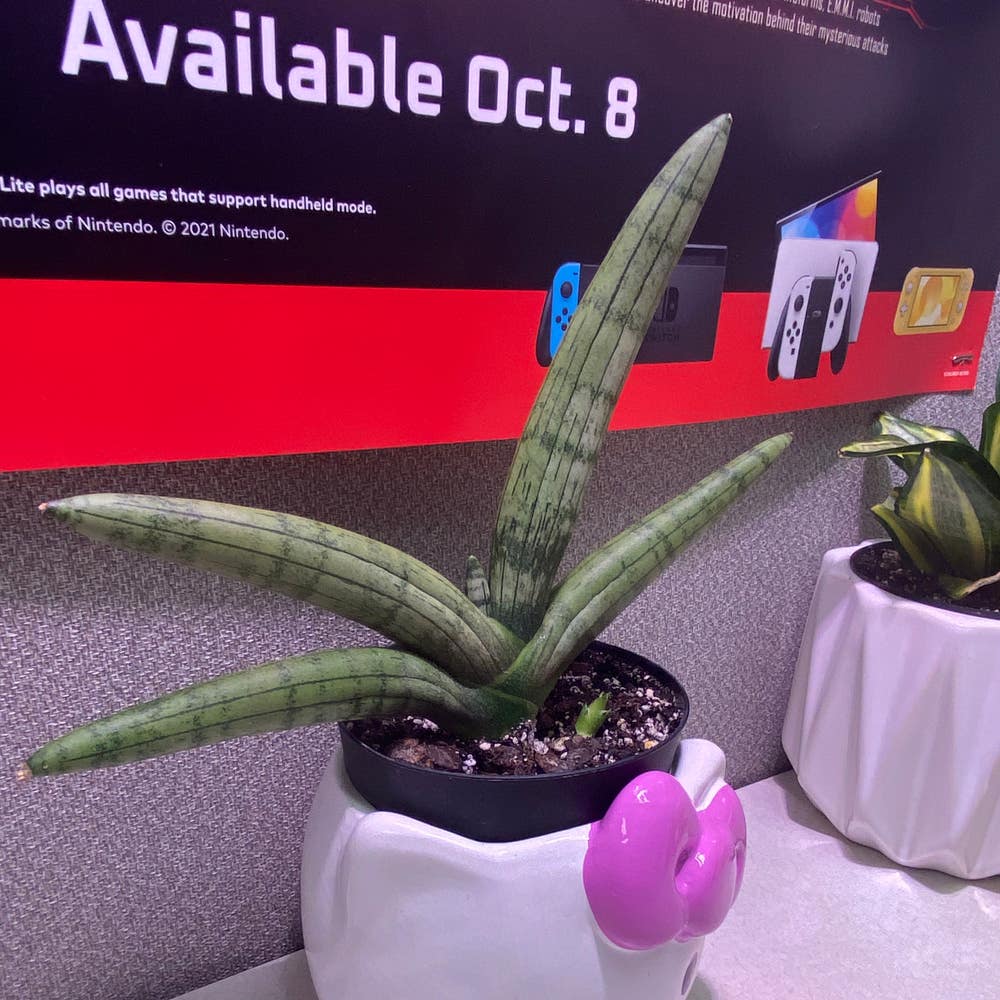
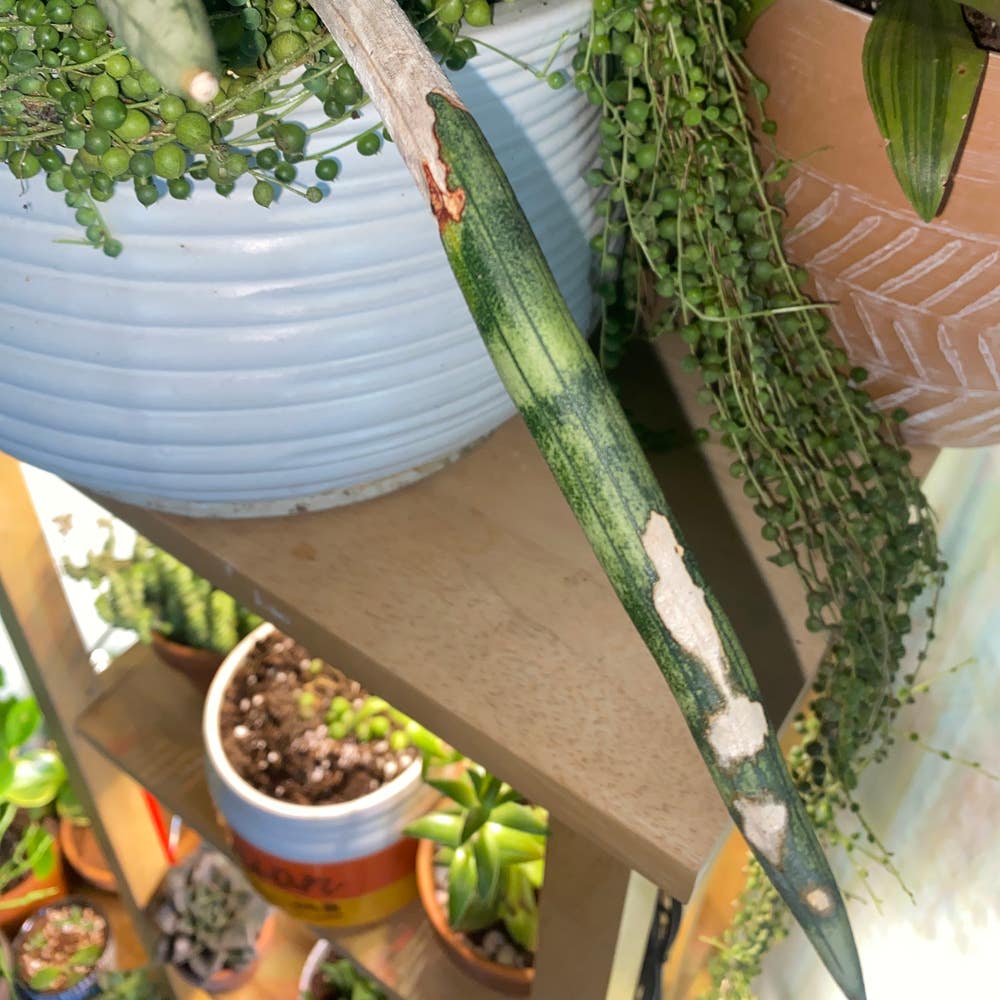
🌟 Why Are My Starfish Snake Plant Leaves Dropping?
Dracaena angolensis 'Boncel'
By the Greg Editorial Team
Jun 18, 2024•5 min read
This article was created with the help of AI so we can cover more plants for you. May contain errors. See one? Report it here.
Decode your Starfish Snake Plant's distress signals 🌟 and ensure its perky posture with our guide.
- Under/overwatering? Leaves drop when thirsty or drowned—check soil moisture.
- Light & temperature matter for perky leaves; avoid direct sun and fluctuating temps.
- Soil health is key; use well-draining mix and monitor for optimal plant care.
Identifying the Cause of Leaf Dropping
💧 Underwatering: The Silent Leaf Killer
Underwatering is like sending your plant on a forced march with no canteen. Crispy leaves are the plant's white flag of surrender. To avoid this, make a habit of checking the soil's moisture level. If it's drier than a comedian's wit, it's time to water.
💦 Overwatering: The Root of All Evil
With overwatering, you're essentially drowning your green buddy. Look for leaves that have the enthusiasm of a wet noodle, drooping sadly. If the soil feels like a swamp, ease up on the H2O.
🌞 Light-Related Stress: A Balancing Act
Too much light and your plant's leaves might start reaching for the sunglasses. Not enough, and they'll droop like they've just watched a tearjerker. Aim for that sweet spot of bright, indirect sunlight to keep your Starfish Snake Plant perky.
The Telltale Signs of Trouble
Yellowing leaves can be a red flag for both over and underwatering. If your plant's leaves are turning as uniformly yellow as a school bus, it's time to reassess your watering game. And remember, leaves curling up or down are like arrows pointing to your watering mistakes.
The Early Bird Catches the Droop
Keep an eye out for subtle changes like a slight shift in leaf color or a dip in growth rate. These are the early whispers of distress, and addressing them promptly can prevent a full-blown leaf drop crisis.

Addressing Environmental Stressors
🚰 Balancing Water Needs
Underwatering and overwatering are like the two ends of a seesaw – both can throw your Starfish Snake Plant off balance. To combat this, water only when the top inch of soil is dry. It's a simple trick, but it's like finding the sweet spot in a comfy chair – it just feels right.
🌞 Optimizing Light Exposure
Too much light can leave your plant sunburnt, while too little can make it weak. Place your Starfish Snake Plant in indirect sunlight, where it can bask without the risk of a scorch. It's the equivalent of wearing sunscreen on a sunny day – protection is key.
🌡️ Maintaining Consistent Temperatures
Temperature swings are the nemesis of stable plant health. Keep your green buddy in a room where the temperature is steady, away from drafts or heat sources. Think of it as setting the thermostat for a steady, comfortable indoor climate – your plant will thank you by not dropping its leaves.

Improving Soil and Drainage
🌱 The Role of Soil Health
Soil health is the unsung hero in the saga of plant care. Just as we wouldn't thrive on a diet of solely fast food, plants can't flourish in subpar soil. For the Starfish Snake Plant, think of soil as its personal trainer—it needs to be top-notch to prevent those leaves from giving up and dropping.
🌿 Best Practices for Soil Composition
Well-draining soil isn't just a nice-to-have; it's a must-have. To hit the sweet spot, mix in perlite or peat moss to keep the soil aerated and ensure it's not holding a grudge against water by retaining too much. A soil that's too clingy can lead to a root rot disaster, and nobody wants that.
🏡 Potting for Success
Choosing the right pot is like picking the right house for your plant. It needs to have adequate drainage holes—no ifs, ands, or buts. If you're feeling fancy, go for a pot that not only drains well but also lets those roots breathe, like a terracotta or a breathable fabric pot.
🚰 Drainage: The Escape Route for Excess Water
Imagine your plant's pot is a tiny nightclub, and water is the crowd that needs to filter out at closing time. Without a good escape route—aka proper drainage—things get messy. To avoid this, ensure your soil contains ingredients like coarse sand or pumice that act like bouncers, keeping the excess water moving.
🌧️ When the Soil is Too Clingy: Amendments
If your soil is holding onto water like a koala to a tree, it's time for an intervention. Amendments like compost or coco coir can be the relationship counselors that your soil and water desperately need, helping them find the right balance.
💧 The Goldilocks Zone: Soil Moisture
We're aiming for the Goldilocks zone here—not too wet, not too dry, but just right. Use a soil moisture meter or the good old finger test to ensure your Starfish Snake Plant is living in its happy place, moisture-wise.
💦 The Overwatering Culprit: Root Rot
Overwatering is the villain in our plant's story, and root rot is its sidekick. To combat this, ensure your soil mixture is like a well-balanced diet—light, fluffy, and nutritious. If you spot signs of root rot, it's time for some tough love and a soil intervention.
🏜️ The Underwatering Fix: A Soak
Underwatering can be just as problematic. If your plant is thirstier than a marathon runner, give it a good soak. But remember, it's all about balance—don't turn your pot into a swimming pool.
🌱 Mulching and Soil Drainage
Mulching isn't just for outdoor gardens; it can be a game-changer for indoor plants too. A layer of mulch can help maintain moisture levels and keep those nutrients where they belong—in the soil and available to your plant.
🕵️♂️ Soil Examination and Maintenance
Regular check-ups aren't just for pets and people; your soil needs them too. Keep an eye on it, and when it starts to look more like a compacted wasteland than a fluffy cloud, it's time to get your hands dirty and give it some TLC.
Remember, the Starfish Snake Plant is counting on you to get its soil right. No pressure, but its leafy life is in your hands.

⚠️ Safety First
This content is for general information and may contain errors, omissions, or outdated details. It is not medical, veterinary advice, or an endorsement of therapeutic claims.
Always consult a qualified healthcare professional before using any plant as food, medicine, or supplement.
Never eat any plant (or feed one to pets) without confirming its identity with at least two trusted sources.
If you suspect poisoning, call Poison Control (800) 222-1222, the Pet Poison Helpline (800) 213-6680, or your local emergency service immediately.
Spotted an error? Please report it here.
Prevent your Starfish Snake Plant from becoming a fallen star by letting Greg orchestrate the perfect watering schedule 🌟, tailored to your home's unique environment.