🌸 Ultimate Guide to Propagating Creeping Vervain
Verbena officinalis
By the Greg Editorial Team
Oct 17, 2024•3 min read
This article was created with the help of AI so we can cover more plants for you. May contain errors. See one? Report it here.
- 🌱 Cuttings thrive best in late spring; use healthy stems for propagation.
- 🌿 Well-draining soil and humidity are crucial for successful rooting.
- 🐞 Watch for pests like aphids; neem oil can help protect your plants.
Propagation Methods
🌱 Propagating from Cuttings
Step-by-step guide for taking cuttings
To start propagating from cuttings, select healthy stems that are 4-6 inches long and free from pests. Cut just below a node using clean, sharp scissors or pruning shears, and remove the lower leaves to prevent rot.
Ideal time for taking cuttings
The best time to take cuttings is late spring to early summer when the plant is actively growing. Overcast days are preferable, as they help reduce stress on the cuttings.
Best practices for rooting cuttings
Using a rooting hormone can significantly enhance root development, so dip the cut end in it before planting. Choose a well-draining potting mix or a combination of perlite and peat moss for planting, and maintain humidity by covering the cuttings with a plastic bag or humidity dome.
Keep the soil consistently moist but not soggy to encourage healthy growth.
🌼 Propagating from Seeds
How to collect and prepare seeds
For seed propagation, harvest seeds from mature flower heads once they turn brown. Allow the seeds to dry completely before storing them to ensure longevity.
Germination process and conditions
When sowing seeds, plant them 1/8 inch deep in a seed-starting mix. Maintain a temperature of 70°F to 75°F (21°C to 24°C) and provide bright, indirect light for optimal germination, which typically occurs within 14-21 days.
Transplanting seedlings
Transplant seedlings once they have 2-3 sets of true leaves. Space them 12-18 inches apart in the garden, and gradually acclimate them to outdoor conditions over 7-10 days to ensure a smooth transition.
✂️ Propagating by Division
When to divide
The best time to divide creeping vervain is early spring or fall when the plant is not actively blooming. Look for signs of overcrowded growth or reduced flowering as indicators that it’s time to divide.
Step-by-step division process
Start by preparing your tools, using a spade or garden fork to dig up the plant. Gently separate the root ball into sections, ensuring each section has roots and shoots, and replant immediately in prepared soil with proper spacing.
Care for divided plants post-propagation
After dividing, keep the soil consistently moist for the first few weeks to help the plants establish. Applying a layer of mulch can also help retain moisture and suppress weeds.
🐛 Common Challenges in Propagation
Pests and Diseases
Common pests that can affect propagation include aphids and fungal gnats. Keeping an eye on your plants can help catch these issues early.
Preventative measures and treatments
Using neem oil as a natural pesticide can deter pests effectively. Ensure proper drainage in your soil to prevent fungal issues, and regularly inspect your plants for early signs of infestation.
❌ Propagation Failures
Signs of unsuccessful propagation
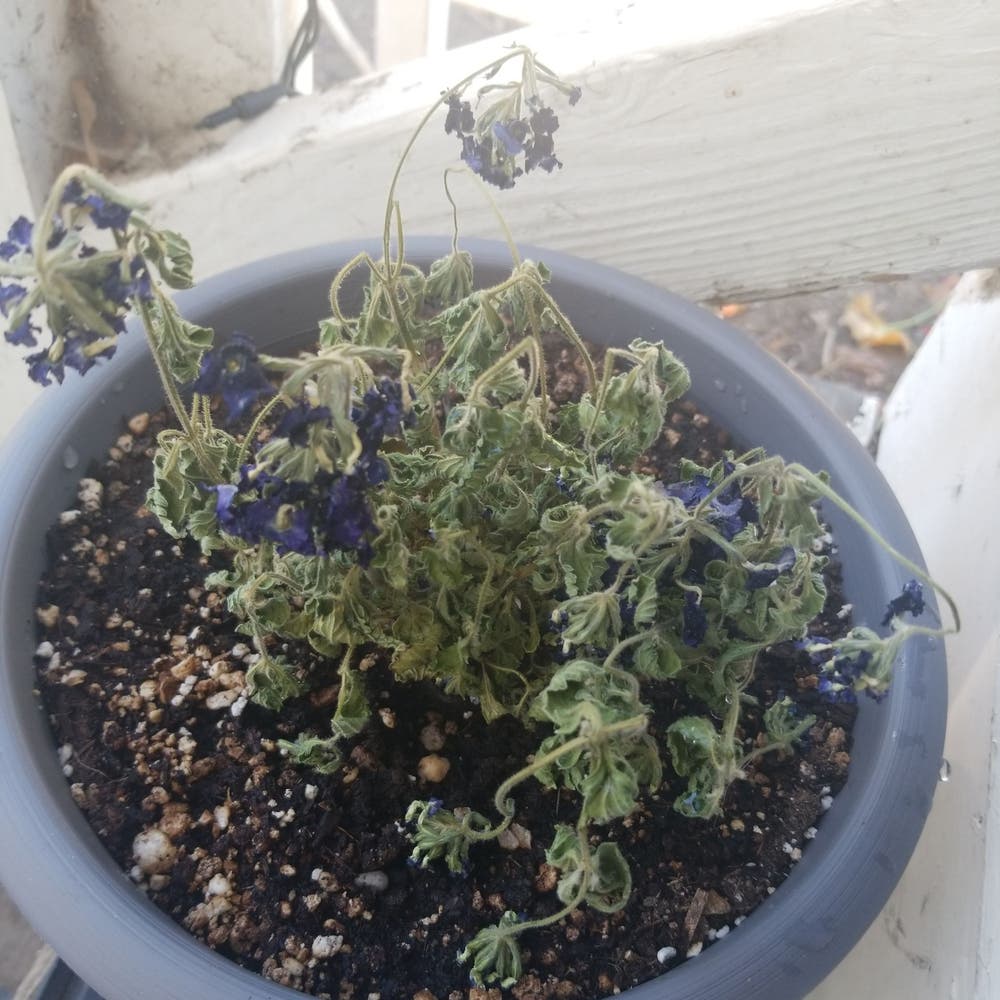
If you notice wilting cuttings, it may indicate a lack of moisture or root development. Yellowing leaves can suggest overwatering or nutrient deficiencies.
Troubleshooting tips for common issues
Adjust your watering schedule to ensure the soil is moist but not waterlogged. If cuttings or seedlings are struggling, check their light conditions and consider moving them to a brighter location. Finally, reassess your rooting medium to ensure it is well-draining and suitable for propagation.
With these methods, you can successfully propagate creeping vervain and enjoy its beauty in your garden. Next, let’s explore the common challenges you might face during propagation and how to overcome them.
⚠️ Safety First
This content is for general information and may contain errors, omissions, or outdated details. It is not medical, veterinary advice, or an endorsement of therapeutic claims.
Always consult a qualified healthcare professional before using any plant as food, medicine, or supplement.
Never eat any plant (or feed one to pets) without confirming its identity with at least two trusted sources.
If you suspect poisoning, call Poison Control (800) 222-1222, the Pet Poison Helpline (800) 213-6680, or your local emergency service immediately.
Spotted an error? Please report it here.
Elevate your garden with thriving creeping vervain 🌿 by using Greg's tailored reminders and expert tips to ensure your cuttings take root successfully!