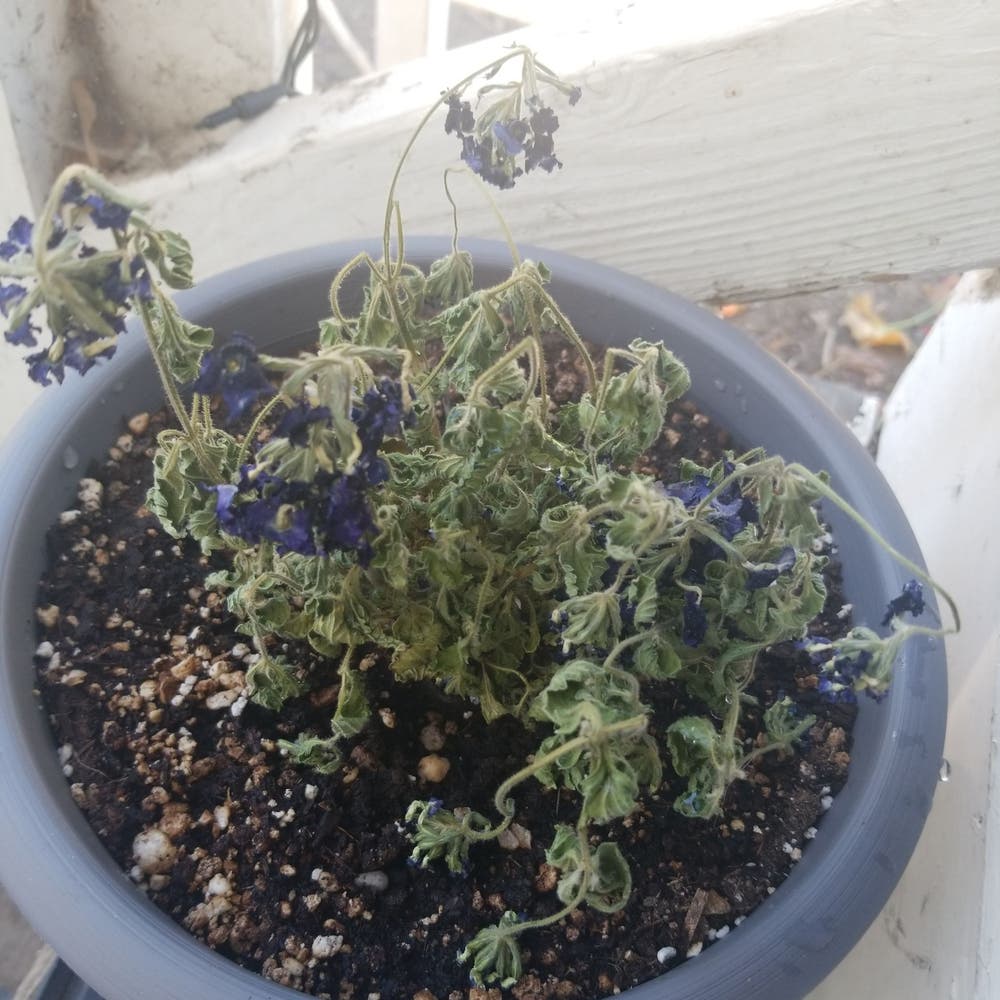
How to Fix Leaves Falling Over on Your Creeping Vervain 🌼
Verbena officinalis
By the Greg Editorial Team
Oct 17, 2024•5 min read
This article was created with the help of AI so we can cover more plants for you. May contain errors. See one? Report it here.
- 💧 Overwatering and underwatering both cause leaves to fall; balance is key.
- 🌱 Nutrient deficiencies stunt growth; regular soil tests help identify needs.
- 🐛 Pests and fungal infections threaten health; inspect regularly to catch issues early.
Causes of Leaves Falling Over
💧 Overwatering and Root Rot
Overwatering is a common culprit behind leaves falling over. Symptoms include wilting, yellowing leaves, and mushy roots, signaling that your plant is drowning.
To prevent this, ensure you use well-draining soil and pots equipped with drainage holes. This will help excess moisture escape, keeping your plant healthy.
🚰 Underwatering and Drought Stress
On the flip side, underwatering can also lead to leaf drop. Look for crispy, dry leaves as a sign that your plant is thirsty.
To combat this, regularly check the soil moisture and maintain a consistent watering schedule. Your plant will thrive with the right balance.
🥦 Nutrient Deficiencies
Nutrient deficiencies can stunt growth and lead to yellowing leaves. Common culprits include a lack of nitrogen, phosphorus, or potassium.
To prevent these issues, conduct regular soil tests and fertilize appropriately. A well-fed plant is a happy plant!
🐜 Pest Infestations
Pests like aphids, spider mites, and whiteflies can wreak havoc on your creeping vervain. Look for distorted leaves, sticky residue, and visible insects as warning signs.
Regular inspections and maintaining overall plant health are key to prevention. Catching pests early can save your plant from significant damage.
🍄 Fungal Infections
Fungal infections can be tricky, often presenting as leaf spots, wilting, and mold growth. Common issues include powdery mildew and root rot.
To prevent these problems, ensure good air circulation around your plants and avoid overhead watering. Healthy practices lead to healthier plants.
Understanding these causes is the first step toward a thriving creeping vervain. Next, we’ll explore how to diagnose the specific problems affecting your plant.
Diagnosing the Problem
Assessing Soil Moisture 🌧️
To determine if your creeping vervain is getting the right amount of water, check the soil moisture. Use a moisture meter or simply stick your finger 1-2 inches deep into the soil; it should feel consistently moist but not soggy.
Checking for Pests 🐛
Pests can be sneaky, so keep an eye out for visible insects, webbing, or sticky residue on your plants. Inspect the undersides of leaves and stems regularly to catch any infestations early.
Evaluating Light Conditions ☀️
Creeping vervain thrives in moderate sunlight, ideally receiving 4-6 hours daily. If you notice stretching stems or pale leaves, your plant might not be getting enough light.
Identifying Nutrient Deficiencies 🍃
Watch for yellowing leaves, poor growth, and unusual leaf drop patterns, as these can indicate nutrient deficiencies. Conducting a soil test can help you determine the nutrient levels and guide your fertilization efforts.
Understanding these diagnostic steps will empower you to take action and restore your creeping vervain to its vibrant self. Next, let’s explore effective solutions and treatments to address these issues.
Solutions and Treatments
🌊 Adjusting Watering Practices
How to Properly Water
- Water thoroughly until excess drains from the bottom.
- Allow the top inch of soil to dry before re-watering.
Proper watering is crucial for your creeping vervain's health. Overwatering can lead to root rot, while underwatering can cause wilting.
Signs of Overwatering vs. Underwatering
- Overwatering: Yellowing leaves, root rot.
- Underwatering: Wilting, dry leaves.
Recognizing these signs early can save your plant from further distress.
🌱 Fertilization Techniques
Recommended Fertilizers
- Balanced NPK fertilizers (e.g., 10-10-10).
- Organic options: Compost or well-rotted manure.
Using the right fertilizer boosts growth and leaf health. Regular fertilization ensures your plant gets essential nutrients.
Timing and Frequency of Fertilization
- Frequency: Every 4-6 weeks during the growing season.
- Timing: Early spring and mid-summer.
Timing is key to maximizing nutrient uptake. Fertilizing at the right moments can make a significant difference.
🐛 Pest Management Strategies
Common Pests Affecting Vervain
- Aphids, spider mites, and whiteflies.
These pests can wreak havoc on your creeping vervain. Regular checks can help you catch infestations early.
Organic and Chemical Control Methods
- Organic: Neem oil, insecticidal soap.
- Chemical: Systemic insecticides as a last resort.
Opting for organic methods is often safer for your plant and the environment. Use chemicals only when absolutely necessary.
🍄 Addressing Fungal Issues
Identifying Fungal Symptoms
- Leaf spots, wilting, and mold growth.
Fungal infections can spread quickly if not addressed. Keep an eye out for these symptoms to act swiftly.
Treatment Options for Fungal Infections
- Remove affected leaves, apply fungicides, and improve air circulation.
Taking immediate action can prevent further damage. Ensuring good air circulation helps reduce the risk of future infections.
By implementing these solutions and treatments, you can effectively manage the health of your creeping vervain. Next, let’s explore preventative measures to keep your plant thriving year-round.
Preventative Measures
Best Practices for Watering 💧
Watering your creeping vervain is crucial for its health. Aim to water deeply but infrequently, which encourages deep root growth.
Using a moisture meter can help you gauge when to water accurately. This tool ensures you provide just the right amount of moisture without overdoing it.
Ideal Light Conditions for Growth ☀️
Creeping vervain thrives in moderate sunlight, ideally 4-6 hours a day. Avoid direct afternoon sun, as it can scorch the leaves.
Rotating your plants can also help them receive even light exposure. This simple practice promotes balanced growth and prevents leaning.
Regular Monitoring for Pests and Diseases 🐛
Make it a habit to inspect your plants weekly for early signs of pests or diseases. Catching issues early can save your plant from significant damage.
Keeping your garden area clean is another key strategy. A tidy space reduces potential pest habitats, making it harder for infestations to take hold.
Seasonal Care Tips to Prevent Leaf Droop 🍂
Adjust your watering frequency based on seasonal changes. Plants often need more water during warmer months and less when it's cooler.
Mulching is a great way to retain soil moisture and regulate temperature. This simple addition can make a big difference in keeping your creeping vervain healthy.
By implementing these preventative measures, you can help ensure your creeping vervain remains vibrant and resilient. Next, let’s explore how to diagnose any issues that may arise.
⚠️ Safety First
This content is for general information and may contain errors, omissions, or outdated details. It is not medical, veterinary advice, or an endorsement of therapeutic claims.
Always consult a qualified healthcare professional before using any plant as food, medicine, or supplement.
Never eat any plant (or feed one to pets) without confirming its identity with at least two trusted sources.
If you suspect poisoning, call Poison Control (800) 222-1222, the Pet Poison Helpline (800) 213-6680, or your local emergency service immediately.
Spotted an error? Please report it here.
Keep your creeping vervain thriving 🌿 by using Greg's tailored watering reminders and nutrient tips to prevent leaf drop and ensure vibrant growth!