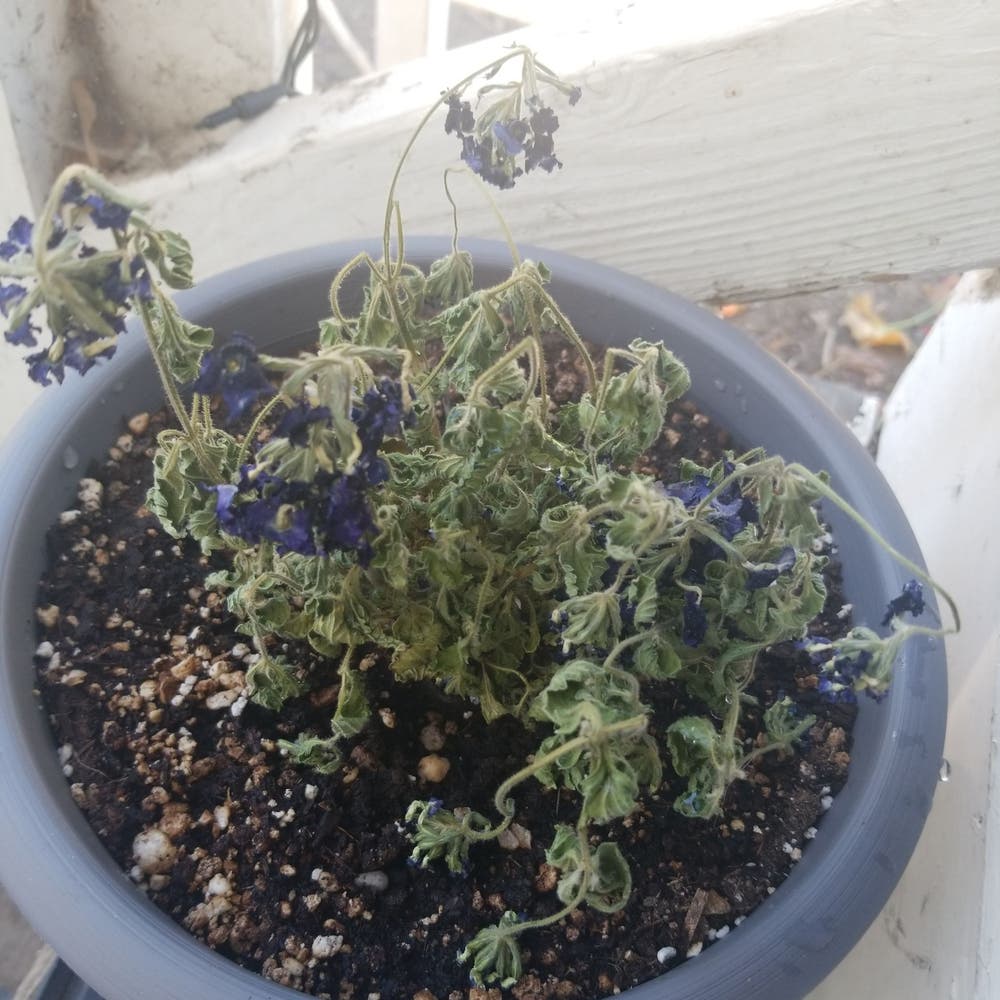
🍃 Ultimate Guide to Fixing Dropping Leaves on Creeping Vervain
Verbena officinalis
By the Greg Editorial Team
Oct 17, 2024•6 min read
This article was created with the help of AI so we can cover more plants for you. May contain errors. See one? Report it here.
- 💧 Overwatering and underwatering are primary causes of leaf drop in creeping vervain.
- 🌱 Nutrient deficiencies lead to pale leaves and stunted growth, increasing vulnerability.
- 🐛 Pests like aphids and spider mites can damage leaves; early detection is key.
Common Causes of Leaf Drop
💧 Overwatering
Overwatering is a common culprit behind leaf drop in creeping vervain. Symptoms include yellowing leaves and mushy stems, signaling that your plant is drowning.
The consequences can be severe, leading to root rot, which ultimately results in leaf drop. To prevent this, ensure your plant has well-draining soil and avoid waterlogged conditions.
🚰 Underwatering
On the flip side, underwatering can also cause distress. Look for wilting leaves and crispy edges as signs that your plant is thirsty.
Stress from lack of water can lead to leaf drop. To prevent this, regularly check soil moisture and water when the top inch feels dry.
🥦 Nutrient Deficiency
Nutrient deficiency can weaken your creeping vervain, making it more susceptible to leaf drop. Symptoms include pale leaves and stunted growth, indicating your plant isn't getting the nutrients it needs.
To combat this, use a balanced fertilizer during the growing season. This will help keep your plant healthy and vibrant, reducing the risk of leaf drop.
Understanding these common causes is essential for maintaining the health of your creeping vervain. By addressing overwatering, underwatering, and nutrient deficiencies, you can create a thriving environment for your plant. Next, let’s explore how to identify pests and diseases that may also contribute to leaf drop.
Identifying Pests and Diseases
🐜 Common Pests Affecting Vervain
Aphids
Aphids are tiny, sap-sucking insects that can wreak havoc on your creeping vervain. Look for signs like sticky residue on leaves and curled foliage, which indicate an infestation.
To treat aphids, consider using neem oil or insecticidal soap. These options are effective and safe for your plants, helping to restore their health without harsh chemicals.
Spider Mites
Spider mites are another common pest that can affect your vervain. You might notice fine webbing on the leaves and stippled patterns, which signal their presence.
Increasing humidity around your plants can help deter spider mites. If the infestation persists, applying miticides can effectively eliminate these pests.
🦠 Common Diseases
Root Rot
Root rot is a serious condition that can lead to significant leaf drop. Symptoms include wilting and yellowing leaves, often caused by overwatering and poor drainage.
To treat root rot, remove the affected roots and repot your plant in fresh, well-draining soil. This will give your vervain a fighting chance to recover.
Fungal Infections
Fungal infections can also cause distress in your creeping vervain. Look for dark spots on leaves and unexpected leaf drop as key indicators.
Using fungicides can help manage these infections, but improving air circulation around the plant is equally important. This dual approach will promote a healthier environment for your vervain.
Identifying pests and diseases early is crucial for maintaining the health of your creeping vervain. With the right knowledge and treatment, you can ensure your plant thrives. Next, let’s explore effective prevention strategies to keep your vervain healthy and vibrant.
Preventing Leaf Drop
🌞 Optimal Light Conditions
To keep your creeping vervain thriving, position it in partial shade. This helps prevent leaf scorch, especially during those scorching summer days.
During peak summer months, don’t hesitate to adjust its placement. Moving it to a shadier spot can make a world of difference in leaf health.
💧 Soil Moisture Management
A consistent watering schedule is crucial. Check the soil moisture weekly to ensure your plant isn’t too dry or waterlogged.
Consider using drip irrigation or self-watering pots. These techniques provide consistent moisture, reducing the risk of leaf drop.
🌱 Fertilization Practices
For optimal growth, use a balanced NPK fertilizer, like 10-10-10, every 4-6 weeks during the growing season. This will keep your plant nourished and robust.
Be mindful of over-fertilization; signs include leaf burn and excessive leaf drop. Adjust your fertilization routine if you notice these symptoms.
By implementing these preventive measures, you can significantly reduce the chances of leaf drop in your creeping vervain. Next, let’s explore how to diagnose and treat any issues that may arise.
Treating Dropping Leaves
🕵️♂️ Step-by-Step Guide to Diagnosing Issues
Diagnosing leaf drop starts with a close inspection of the leaves. Look for discoloration or any visible damage that might indicate underlying problems.
Next, check the soil moisture levels. This simple step can reveal whether your plant is overwatered or underwatered.
🌞 Assessing Light Exposure and Temperature Conditions
Evaluate the light exposure your creeping vervain receives. Too much direct sunlight can scorch leaves, while too little can stunt growth.
Temperature also plays a crucial role. Ensure your plant is in a suitable environment, away from cold drafts or extreme heat.
🐛 Look for Signs of Pests or Diseases
Finally, inspect for any signs of pests or diseases. Sticky residue or webbing can indicate infestations, while dark spots may signal fungal infections.
🧪 Treatment Options for Pests and Diseases
If pests are the issue, consider applying organic insecticides. Introducing beneficial insects like ladybugs can also help manage pest populations naturally.
For diseases, use appropriate fungicides to combat infections. Improving air circulation around the plant can further prevent disease spread.
🔄 Adjusting Care Routines Based on Symptoms
If you notice yellowing leaves, it’s time to reduce watering. This could indicate root rot, so checking the roots is essential.
Conversely, if leaves are wilting, increase your watering frequency. This may also require a pest check to ensure no critters are causing stress.
By following these steps, you can effectively treat dropping leaves on your creeping vervain. This proactive approach not only addresses current issues but also sets the stage for healthier growth moving forward.
Next, let’s explore seasonal considerations that can impact your plant's health.
Seasonal Considerations
🌱 Seasonal Changes and Their Impact on Leaf Health
Understanding how the seasons affect your creeping vervain is crucial for maintaining its health.
Spring is a time of active growth; increase watering and fertilization to support this vibrant phase.
In summer, keep an eye out for heat stress. Adjust your watering frequency to ensure your plant stays hydrated without becoming waterlogged.
As fall approaches, gradually reduce fertilization since growth slows down. This helps your plant prepare for the dormancy ahead.
During winter, protect your vervain from cold drafts and cut back on watering. The plant needs less moisture during this resting period.
🔄 Adjusting Care Practices Throughout the Year
Adjusting your care practices seasonally can make a significant difference.
In spring and summer, increase watering as your plant thrives. Conversely, decrease watering during dormancy in fall and winter.
Light adjustments are also essential. Move your plants indoors or to sheltered areas during extreme weather to shield them from harsh conditions.
By staying attuned to these seasonal changes, you can keep your creeping vervain healthy and thriving year-round.
⚠️ Safety First
This content is for general information and may contain errors, omissions, or outdated details. It is not medical, veterinary advice, or an endorsement of therapeutic claims.
Always consult a qualified healthcare professional before using any plant as food, medicine, or supplement.
Never eat any plant (or feed one to pets) without confirming its identity with at least two trusted sources.
If you suspect poisoning, call Poison Control (800) 222-1222, the Pet Poison Helpline (800) 213-6680, or your local emergency service immediately.
Spotted an error? Please report it here.
Keep your creeping vervain thriving 🌿 by using Greg's tailored care reminders to master watering, nutrients, and pest control for vibrant, healthy leaves!