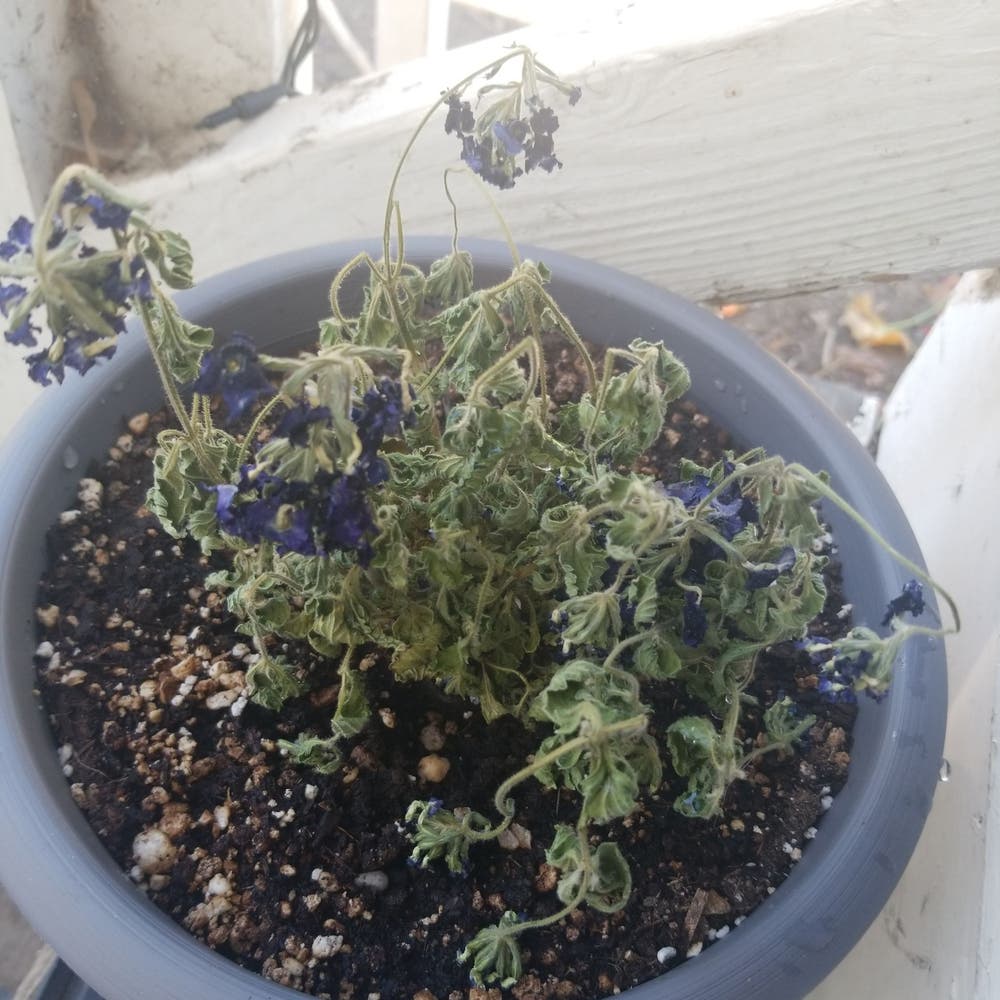
🔍 What to Do About Black Spots on Your Creeping Vervain
Verbena officinalis
By the Greg Editorial Team
Oct 17, 2024•5 min read
This article was created with the help of AI so we can cover more plants for you. May contain errors. See one? Report it here.
- 🌱 Black spots on Creeping Vervain stem from fungal and bacterial infections.
- 💧 Overwatering and poor drainage lead to root rot, worsening leaf issues.
- ☀️ Optimal sunlight exposure (6-8 hours) is crucial for plant health.
Causes of Black Spots on Leaves
🦠 Fungal Infections
Fungal infections are a primary culprit behind black spots on Creeping Vervain. Leaf spot disease, for instance, manifests as dark, circular spots that can quickly spread if not addressed.
High humidity and poor air circulation create a perfect storm for these fungi to thrive. Keeping your plants in well-ventilated areas can significantly reduce the risk.
🦠 Bacterial Infections
Bacterial infections present a different challenge. Look for black spots that appear water-soaked, often accompanied by wilting leaves and eventual drop.
These symptoms indicate that your plant is under stress and needs immediate attention. Ignoring these signs can lead to further deterioration.
🌍 Environmental Stressors
Environmental factors also play a significant role in the health of your Creeping Vervain. Overwatering is a common issue, leading to root rot, which in turn causes leaf problems.
Additionally, poor sunlight exposure can weaken your plants, making them more susceptible to diseases. Aim for a balance in care to keep your plants thriving.
Understanding these causes is the first step in effectively managing black spots on your Creeping Vervain. Next, let’s dive into how to diagnose and treat these pesky spots.
Diagnosis and Treatment
🕵️ Identifying the Type of Black Spots
Fungal vs. Bacterial
When you spot black spots on your Creeping Vervain, the first step is to identify the culprit. Fungal spots are typically circular and may have a yellow halo surrounding them, while bacterial spots appear irregular and often look water-soaked.
🔍 Other Potential Causes
Don’t overlook other factors that might be at play. Check for pests that could be infesting your plants, as well as environmental conditions like watering habits and sunlight exposure.
💊 Treatment Options
Organic Fungicides
If you confirm a fungal infection, consider using organic fungicides. Neem oil and sulfur-based fungicides are effective options; just be sure to follow the label instructions for the best results.
Homemade Remedies
You can also whip up some homemade remedies to tackle the issue. A simple baking soda spray—mixing 1 tablespoon of baking soda with water—can work wonders. Alternatively, blend garlic with water, strain it, and spray it on the affected areas for a natural solution.
⚗️ Chemical Treatments
For severe infections that don’t respond to organic treatments, chemical options may be necessary. Always adhere to manufacturer guidelines to ensure safe application and effectiveness.
By diagnosing the type of black spots and choosing the right treatment, you can help your Creeping Vervain thrive again. Next, let’s explore how to prevent these issues from arising in the first place.
Prevention Strategies
🌊 Proper Watering Techniques
Avoiding Overwatering
Overwatering is a common mistake that can lead to serious issues for your Creeping Vervain. Look out for yellowing leaves and mushy roots, which are clear signs that your plant is drowning.
To prevent this, allow the soil to dry out between waterings. A good rule of thumb is to check the top inch of soil; if it feels dry, it’s time to water.
Ensuring Good Drainage
Good drainage is crucial for the health of your plant. It helps prevent root rot and fungal growth, which can devastate your Creeping Vervain.
To improve drainage, use well-draining soil mixes and pots with drainage holes. This simple step can make a world of difference in keeping your plant healthy.
☀️ Optimal Sunlight Exposure
Creeping Vervain thrives in full sun to partial shade, requiring about 6-8 hours of sunlight daily. Insufficient light can weaken the plant, making it more vulnerable to diseases.
If your plant isn't getting enough light, you may notice weak growth and an increased risk of black spots. Adjusting its location can significantly enhance its health.
🌱 Soil Health and Amendments
Importance of Well-Draining Soil
Well-draining soil is essential for the vitality of your Creeping Vervain. A mix of loamy soil with organic matter provides the right balance of nutrients and drainage.
To test your soil's drainage, conduct a simple percolation test. This will help you determine if your soil is suitable for your plant's needs.
Nutrient Requirements
Creeping Vervain requires essential nutrients like nitrogen, phosphorus, and potassium to thrive. A balanced fertilizer applied during the growing season can help meet these needs.
Regularly check your plant's nutrient levels to ensure it remains healthy and vibrant. A little attention goes a long way in preventing issues down the line.
By implementing these prevention strategies, you can keep your Creeping Vervain healthy and vibrant. Next, let’s explore how to monitor and maintain your plant effectively.
Monitoring and Maintenance
Regular Inspection of Leaves 🌿
Keeping a close eye on your Creeping Vervain is essential. Look for signs like discoloration, wilting, and unusual spots, as these can indicate early infections.
Prompt action is crucial; catching issues early can prevent them from spreading. Regular inspections can save your plants from more severe problems down the line.
Seasonal Care Adjustments 🌸
Changes in Care During Different Seasons
Adjusting your care routine with the seasons can make a significant difference. In spring, increase watering as growth resumes to support new leaves.
During summer, be vigilant for pests and diseases, especially with the humidity rising. In fall, prepare for winter by reducing watering and protecting the roots from cold.
Preparing for Winter Conditions ❄️
As winter approaches, take steps to insulate your plants. Mulching helps retain soil moisture and protects the roots from freezing temperatures.
Pruning is also vital; remove any dead or diseased foliage before winter sets in. This not only keeps your plants healthy but also prepares them for a robust spring revival.
By staying proactive in monitoring and maintenance, you can ensure your Creeping Vervain thrives through every season. Now, let's explore effective prevention strategies to keep those black spots at bay!
⚠️ Safety First
This content is for general information and may contain errors, omissions, or outdated details. It is not medical, veterinary advice, or an endorsement of therapeutic claims.
Always consult a qualified healthcare professional before using any plant as food, medicine, or supplement.
Never eat any plant (or feed one to pets) without confirming its identity with at least two trusted sources.
If you suspect poisoning, call Poison Control (800) 222-1222, the Pet Poison Helpline (800) 213-6680, or your local emergency service immediately.
Spotted an error? Please report it here.
Keep your Creeping Vervain spot-free 🌱 by using Greg's tailored care tips and reminders to ensure optimal sunlight and drainage for a thriving plant!