💧 Ultimate Guide to Humidity for Creeping Vervain
Verbena officinalis
By the Greg Editorial Team
Oct 17, 2024•6 min read
This article was created with the help of AI so we can cover more plants for you. May contain errors. See one? Report it here.
- 🌱 Ideal humidity for Creeping Vervain is 50-70% for optimal growth and blooms.
- 💧 Low humidity stunts growth, while high humidity enhances moisture uptake and foliage vibrancy.
- 🌬️ Monitor local humidity using apps; adjust care based on seasonal changes for plant health.
Ideal Humidity Levels for Optimal Growth
Maintaining the right humidity levels is crucial for the thriving of Creeping Vervain. The recommended relative humidity for optimal growth is between 50-70%.
🌧️ Why Humidity Matters
Humidity within this range supports not just growth but also flowering. When humidity is too low, plants struggle to absorb water and nutrients effectively, leading to stunted growth and poor health.
💧 Effects on Water and Nutrient Absorption
High humidity levels enhance the plant's ability to take in moisture through its leaves and roots. This means your Creeping Vervain can flourish, showcasing vibrant foliage and blooms.
Understanding these ideal humidity levels is essential for any plant enthusiast. By ensuring your Creeping Vervain thrives in the right conditions, you set the stage for a lush, healthy garden.
Next, let’s explore how to assess local humidity conditions to tailor your care effectively.
Local Humidity Considerations
Assessing Local Humidity Conditions 🌧️
Understanding local humidity is crucial for the health of your Creeping Vervain. You can easily determine humidity levels using weather apps or local climate data.
These tools provide real-time information, helping you tailor your plant care effectively. Knowing your local humidity allows you to make informed decisions about watering and placement.
Seasonal Variations in Humidity 🌦️
Humidity levels fluctuate with the seasons, impacting your plant's growth. Expect higher humidity in summer and lower levels in winter.
To adapt, consider adjusting your care routine. For instance, increase watering during dry months and monitor humidity closely in the summer.
Impact of Geographic Location on Humidity Levels 🗺️
Geographic location plays a significant role in humidity levels. Coastal areas typically experience higher humidity, while inland regions may be drier.
Urban environments can also differ from rural ones. Buildings and concrete can trap heat and moisture, affecting indoor humidity, so be mindful of your specific setting when caring for your Creeping Vervain.
By understanding these local factors, you can create the ideal environment for your plant to thrive.
Strategies for Boosting Humidity
🌊 Using Humidity Trays
Humidity trays are a simple yet effective way to increase moisture around your Creeping Vervain. These trays consist of shallow containers filled with water and pebbles, creating a mini-ecosystem that helps maintain humidity.
To set up humidity trays, follow these easy steps:
- Choose a shallow tray that fits your space.
- Fill it with pebbles and water, ensuring the pebbles remain above the water level.
- Place your plant pot on top of the pebbles, allowing the evaporation to boost humidity.
🌱 Grouping Plants Together
Grouping your plants can create a microclimate that enhances humidity levels. When plants are close together, they share moisture through transpiration, which can significantly benefit your Creeping Vervain.
For optimal humidity retention, space your plants closely but not overcrowded. Aim for a few inches apart to allow air circulation while maximizing the humidity effect.
💧 Utilizing a Humidifier
Humidifiers are excellent tools for maintaining ideal humidity levels indoors. There are various types, including cool mist, warm mist, and ultrasonic humidifiers, each suitable for different environments.
To set up a humidifier effectively:
- Place it near your Creeping Vervain but not directly on it to avoid over-saturation.
- Regularly check and refill the water tank to ensure consistent humidity.
- Clean the humidifier as per the manufacturer's instructions to prevent mold growth.
🌫️ Misting Techniques
Misting is a quick way to boost humidity for your Creeping Vervain. This technique involves lightly spraying water on the leaves, which can help increase moisture in the air.
For best results, mist your plant early in the morning or late in the afternoon. This timing allows the leaves to absorb moisture without risking fungal issues from prolonged dampness.
By implementing these strategies, you can create a more humid environment that supports the health and growth of your Creeping Vervain. Next, let’s explore how to manage humidity levels effectively, especially when they become excessive.
Strategies for Reducing Humidity
Ventilation Methods 🌬️
Proper air circulation is crucial for preventing excessive humidity around your Creeping Vervain. Stagnant air can lead to mold and other issues, so it's essential to keep things moving.
To improve ventilation in indoor spaces, consider these techniques:
- Open windows and doors: This allows fresh air to flow in, reducing humidity levels.
- Use fans: Positioning fans strategically can help circulate air effectively, creating a more balanced environment.
Choosing the Right Potting Mix 🪴
Selecting the right potting mix is vital for managing humidity. A mix that promotes drainage will help prevent excess moisture retention, which can be detrimental to your plant's health.
Look for potting mixes that balance moisture retention with aeration. This ensures that your Creeping Vervain gets the water it needs without becoming waterlogged.
Avoiding Overwatering 🚫💧
Overwatering is a common mistake that can lead to high humidity levels. It's essential to develop proper watering techniques to keep your plant thriving without drowning it.
Pay attention to signs of overwatering, such as yellowing leaves or a soggy potting mix. Adjust your watering schedule accordingly to maintain the right balance for your Creeping Vervain.
By implementing these strategies, you can effectively manage humidity levels and create a healthier environment for your plants. Next, let’s explore common humidity-related issues and how to tackle them.
Common Humidity-Related Issues
Identifying Humidity-Related Problems 🌧️
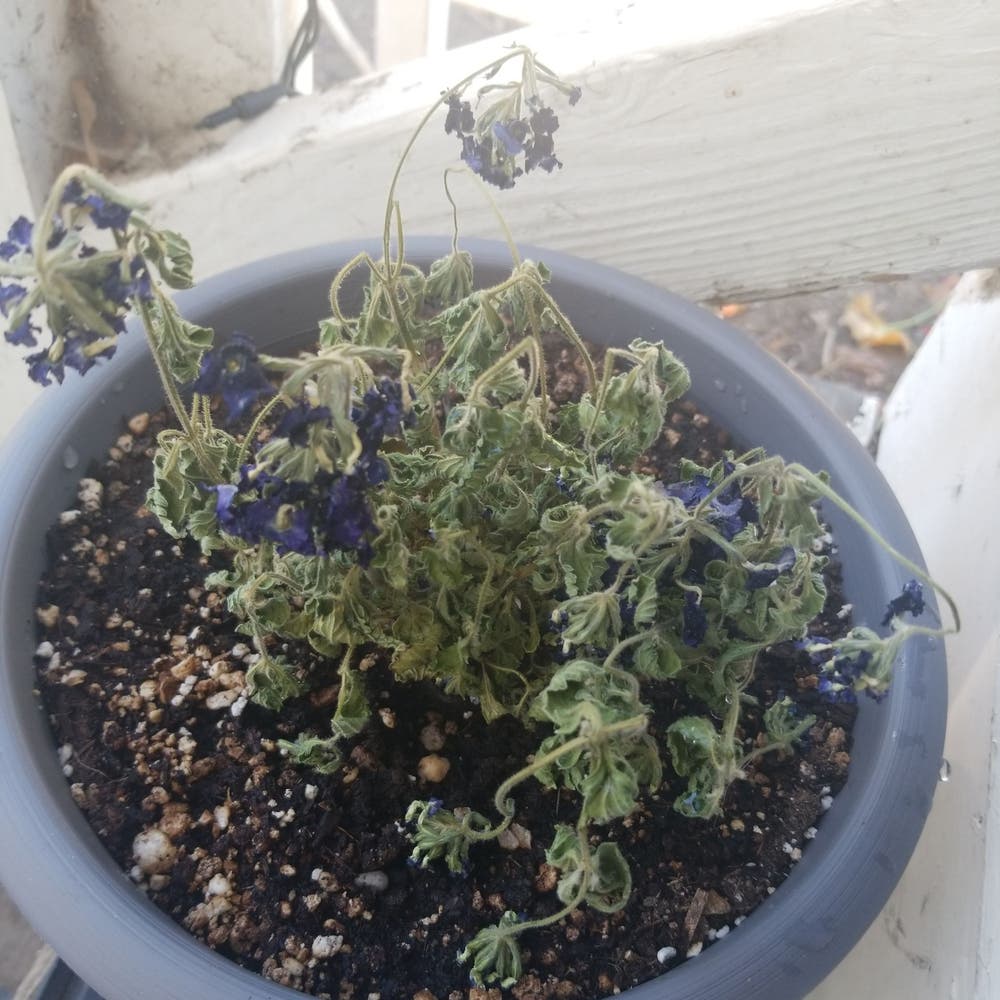
Improper humidity levels can lead to several issues for your Creeping Vervain. Common problems include mold growth and pest infestations, both of which thrive in high humidity.
Watch for symptoms like yellowing leaves, wilting, or a musty smell, which can indicate excess moisture. Pests such as spider mites and aphids may also appear when humidity is not balanced.
Solutions for Common Issues 🛠️
If you notice mold or mildew on your Creeping Vervain, act quickly. Use a diluted solution of water and mild soap to gently wipe affected areas, or consider a fungicide for severe cases.
For pest control, introduce beneficial insects like ladybugs or use insecticidal soap to tackle infestations. Regular checks can help catch these issues early.
Preventative Measures for Maintaining Ideal Humidity 🧼
To keep humidity levels in check, monitor them regularly with a hygrometer. Adjust your care routine based on the readings to maintain a healthy environment.
A clean growing space is essential. Regularly remove dead leaves and debris to prevent mold and pests from taking hold. This proactive approach will help keep your Creeping Vervain thriving.
By understanding these common humidity-related issues and their solutions, you can ensure your Creeping Vervain remains healthy and vibrant. Next, let’s explore effective strategies for boosting humidity to support your plant's growth.
⚠️ Safety First
This content is for general information and may contain errors, omissions, or outdated details. It is not medical, veterinary advice, or an endorsement of therapeutic claims.
Always consult a qualified healthcare professional before using any plant as food, medicine, or supplement.
Never eat any plant (or feed one to pets) without confirming its identity with at least two trusted sources.
If you suspect poisoning, call Poison Control (800) 222-1222, the Pet Poison Helpline (800) 213-6680, or your local emergency service immediately.
Spotted an error? Please report it here.
Keep your Creeping Vervain thriving in perfect humidity 🌧️ with Greg's personalized care tips and local monitoring, ensuring vibrant blooms and lush foliage all year round!