☀️ 4 Tips for Light Requirements for Your Creeping Vervain
Verbena officinalis
By the Greg Editorial Team
Oct 17, 2024•3 min read
This article was created with the help of AI so we can cover more plants for you. May contain errors. See one? Report it here.
- 🌞 Creeping Vervain needs 6-8 hours of bright, indirect sunlight daily for optimal growth.
- 🪴 Ideal indoor spots are near south or west-facing windows for best light exposure.
- 💡 Grow lights can supplement natural light, especially in dim conditions or winter months.
Light Requirements for Creeping Vervain
🌞 Indoor Light Conditions
Optimal Light Exposure
Creeping Vervain thrives on 6-8 hours of bright, indirect sunlight each day. The best spots for your plant are near south or west-facing windows, where it can soak up that glorious light.
In low-light environments, you might notice slower growth and fewer flowers. If you want your plant to flourish, ensure it gets the light it craves.
Grow Light Use
Using grow lights can be a game-changer, especially during shorter days or in dimly lit spaces. They provide the supplemental lighting your Creeping Vervain needs to stay vibrant.
When choosing grow lights, consider LED versus fluorescent options. Both have their benefits, but LEDs are often more energy-efficient and longer-lasting.
For optimal results, position your grow lights 12-24 inches above the plant. Aim for a duration of 12-16 hours per day to mimic natural sunlight.
☀️ Outdoor Light Conditions
Full Sun vs. Partial Shade
Creeping Vervain loves full sun, which means it needs at least 6 hours of direct sunlight daily. This exposure promotes robust growth and encourages abundant flowering.
If your plant is in partial shade, it will still survive, but expect 3-6 hours of direct sunlight or filtered light. However, be prepared for slower growth rates and fewer blooms.
Shade Tolerance
While Creeping Vervain can tolerate some shade, it truly prefers brighter conditions. Prolonged shade can negatively impact its overall health and flowering potential.
🌼 Effects of Light on Flowering
Light plays a crucial role in the flowering patterns of Creeping Vervain. Optimal light conditions lead to increased flowering, while insufficient light can result in fewer blooms or delayed flowering.
Keep in mind the seasonal availability of light, as this will influence when your plant blooms. Timing is everything when it comes to maximizing your plant's beauty.
⚠️ Common Light-Related Issues
Signs of Insufficient Light
Watch for signs that your Creeping Vervain isn't getting enough light. Leggy growth, characterized by stretched stems and sparse leaves, is a clear indicator.
You may also notice reduced flowering, with fewer blooms or no flowers at all. If you see these symptoms, it’s time to reassess your plant’s light conditions.
Signs of Excessive Light
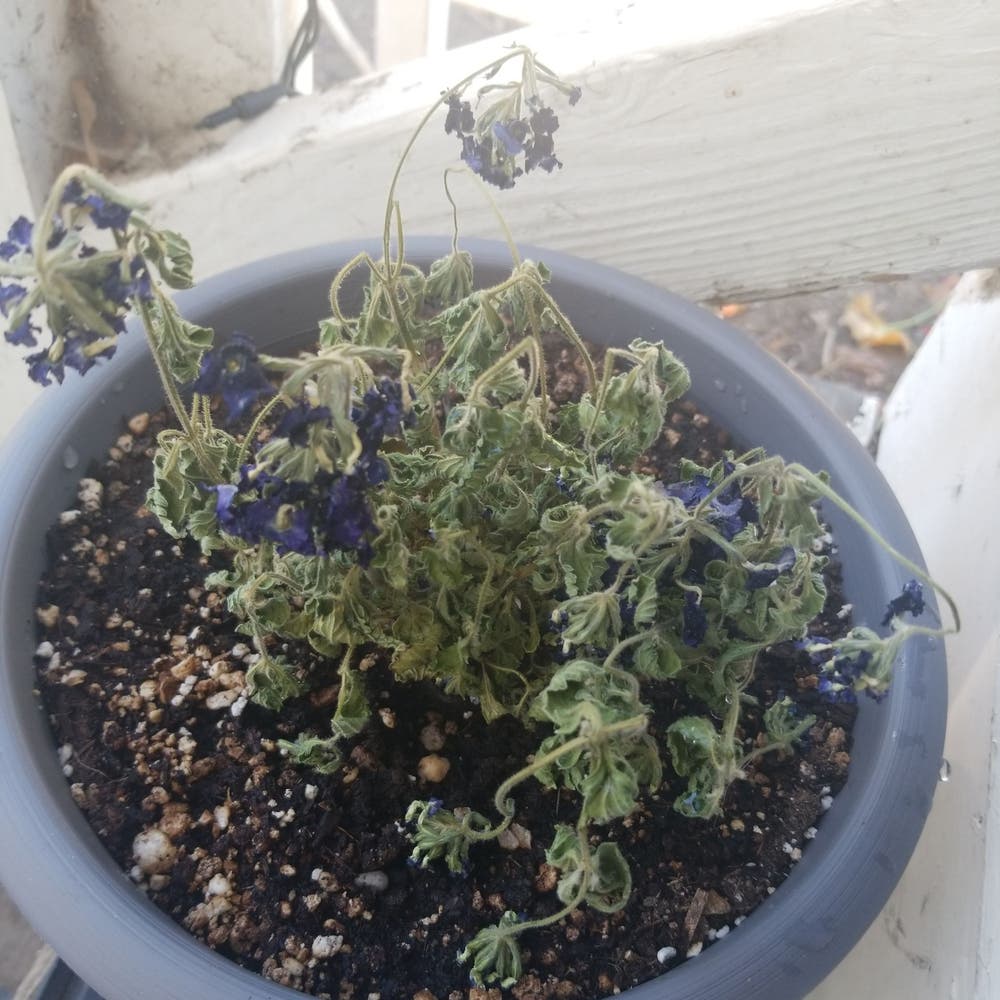
On the flip side, too much light can be just as harmful. Symptoms of excessive light include leaf scorch, which manifests as brown, crispy edges on leaves.
Wilting despite adequate watering is another red flag. If your plant is showing these signs, it’s crucial to adjust its light exposure.
Solutions for Light Problems
If your Creeping Vervain is struggling with insufficient light, consider relocating it to a brighter area or using grow lights. These adjustments can make a significant difference.
For plants suffering from excessive light, providing shade or moving them to less intense light conditions can help restore balance. Your plant will thank you for it!
With a solid understanding of light requirements, you can ensure your Creeping Vervain thrives beautifully. Next, let’s explore how to care for your plant throughout the seasons.
⚠️ Safety First
This content is for general information and may contain errors, omissions, or outdated details. It is not medical, veterinary advice, or an endorsement of therapeutic claims.
Always consult a qualified healthcare professional before using any plant as food, medicine, or supplement.
Never eat any plant (or feed one to pets) without confirming its identity with at least two trusted sources.
If you suspect poisoning, call Poison Control (800) 222-1222, the Pet Poison Helpline (800) 213-6680, or your local emergency service immediately.
Spotted an error? Please report it here.
Maximize your Creeping Vervain's blooms with perfect light placement ☀️—let Greg guide you with tailored tips for thriving growth!