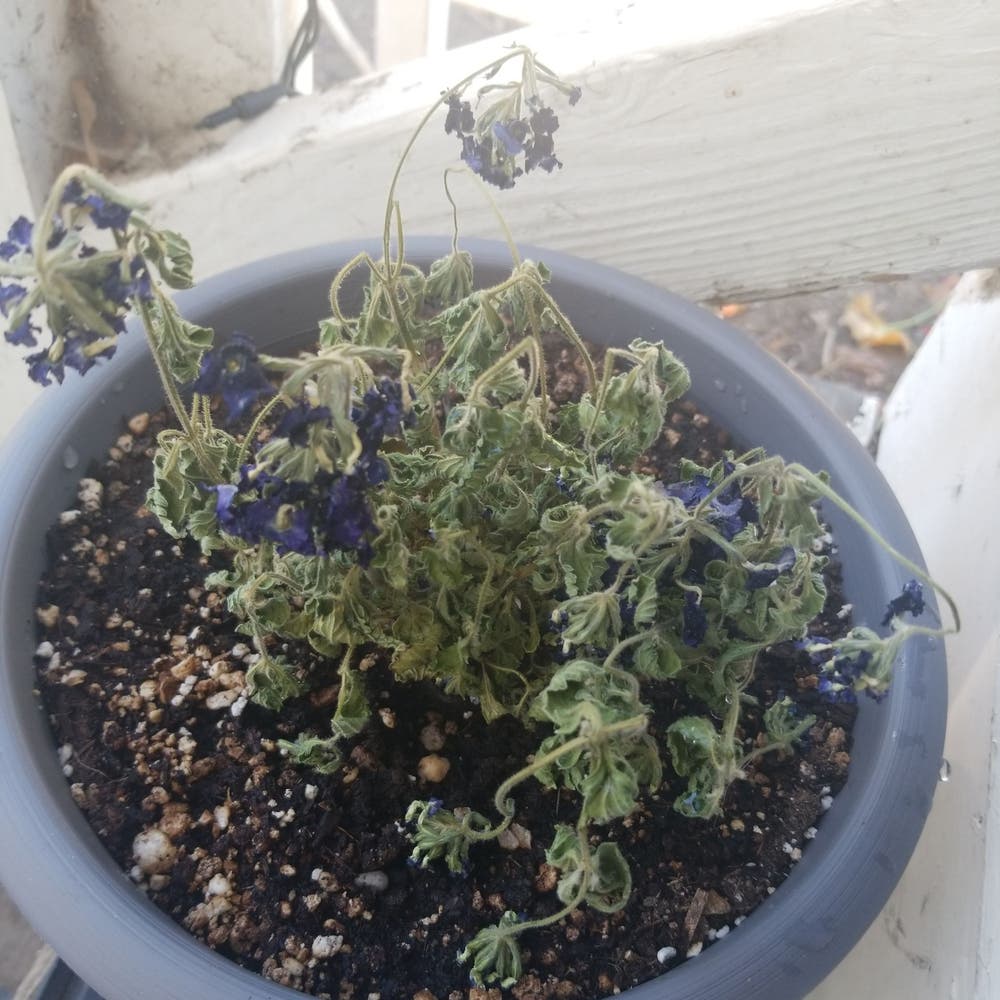
🍃 Ultimate Guide to Fixing Curling Leaves on Creeping Vervain
Verbena officinalis
By the Greg Editorial Team
Oct 17, 2024•5 min read
This article was created with the help of AI so we can cover more plants for you. May contain errors. See one? Report it here.
- 💧 Overwatering and underwatering cause curling leaves; monitor soil moisture regularly.
- 🐜 Pests like aphids and spider mites distort leaves; inspect plants weekly for infestations.
- 🌱 Nutrient deficiencies stunt growth; use balanced fertilizers every 4-6 weeks for health.
Leaf Curl Diagnosis
🌊 Common Causes of Leaf Curl
Overwatering
Overwatering is a common culprit behind curling leaves. Symptoms include yellowing leaves and soggy soil, which can lead to root rot and ultimately cause leaf curl.
Underwatering
On the flip side, underwatering can also trigger leaf curl. Look for wilting and dry leaf edges; these signs indicate stress from a lack of moisture.
Pest Infestations
Pest infestations, such as aphids and spider mites, can distort leaves and leave a sticky residue. Keeping an eye out for these pests is crucial for maintaining healthy plants.
Nutrient Deficiencies
Nutrient deficiencies, particularly in nitrogen and potassium, can stunt growth and cause yellowing leaves. If your plant looks lackluster, it might be time to assess its nutrient intake.
Fungal Infections
Fungal infections like powdery mildew and root rot can wreak havoc on your creeping vervain. Symptoms include white powdery spots and wilting, signaling that immediate action is needed.
🔍 Identifying Symptoms of Stress
Leaf Curl Patterns
Understanding leaf curl patterns can help diagnose issues. Upward curling often indicates underwatering or heat stress, while downward curling typically signals overwatering or nutrient deficiency.
Color Changes
Color changes in leaves are also telling. Yellowing can point to nutrient deficiencies or pest damage, while browning often results from environmental stress or root issues.
Growth Habits
Stunted growth is another red flag. This usually indicates severe stress or nutrient issues, so keep an eye on your plant's overall health.
Recognizing these symptoms early can make a significant difference in your plant's recovery. With proper diagnosis, you can move on to effective treatments and preventive measures.
Treatment for Curling Leaves
🕵️♂️ Step-by-Step Guide to Diagnosing the Issue
Diagnosing the cause of curling leaves is essential for effective treatment. Start by inspecting soil moisture levels using a moisture meter or your finger.
Next, check for visible pests on leaves and stems. Assess nutrient levels through soil testing kits, and examine for signs of fungal infections on leaves and roots.
🐛 Recommended Treatments for Pests
Pests can wreak havoc on your creeping vervain. For aphids, use insecticidal soap or neem oil; simply spray directly on the affected areas.
Spider mites require a different approach. Increase humidity and apply miticides through regular misting and targeted sprays to keep them at bay.
🌱 Solutions for Nutrient Deficiencies
Nutrient deficiencies can lead to curling leaves, so proper fertilization is key. Use a balanced NPK fertilizer (10-10-10) every 4-6 weeks during the growing season.
In addition, consider soil amendments. Organic options like compost or well-rotted manure can be mixed into the top layer of soil to boost nutrient levels.
🦠 Addressing Fungal Infections
Fungal infections can be tricky but are identifiable by symptoms like white powdery spots or wilting. If you notice these signs, it’s time to act.
For treatment, apply fungicides according to product instructions. Additionally, improve air circulation and avoid overhead watering to create an environment less conducive to fungal growth.
By following these steps, you can effectively treat curling leaves on your creeping vervain and promote healthier growth. Next, let’s explore preventive measures to keep your plants thriving.
Preventive Measures
🌱 Best Practices for Soil Moisture Management
Managing soil moisture is crucial for the health of your creeping vervain.
Watering Schedule
Water your plants when the top inch of soil feels dry. This practice encourages deep root growth, making your plants more resilient.
Drainage Solutions
Ensure that your pots have drainage holes to prevent waterlogging. Using well-draining soil mixes will also help maintain the right moisture balance.
🌿 Importance of Proper Fertilization
Fertilization plays a key role in keeping your plants healthy and vibrant.
Regular Feeding
Feed your creeping vervain monthly during the growing season. Opt for slow-release fertilizers to provide a consistent nutrient supply.
🌍 Environmental Adjustments to Prevent Stress
Creating the right environment is essential for preventing stress in your plants.
Temperature Control
Aim to maintain temperatures between 20°C to 30°C (68°F to 86°F). This range supports optimal growth and minimizes stress.
Humidity Levels
Increasing humidity can significantly benefit your plants. Consider using pebble trays or misting to create a more favorable environment.
By implementing these preventive measures, you can ensure your creeping vervain thrives. Next, we'll explore effective monitoring and maintenance techniques to keep your plants in top shape.
Monitoring and Maintenance
Regular Inspection Techniques for Early Detection 🌱
Regular inspections are crucial for maintaining the health of your creeping vervain. Aim for weekly visual checks to spot pests and assess leaf health.
Focus on the undersides of leaves and stem junctions, as these areas often harbor hidden issues. Additionally, conduct soil testing every six months to evaluate nutrient levels and ensure optimal growth.
Seasonal Care Tips for Creeping Vervain 🌸
Seasonal care is essential for thriving plants. In spring, start fertilizing as growth resumes to give your creeping vervain a nutrient boost.
During the summer, increase watering frequency to combat heat stress. As fall approaches, don’t forget to prune; trimming back encourages healthy growth for the next season.
Tools and Products for Effective Monitoring 🛠️
Utilizing the right tools can make monitoring easier and more effective. A soil moisture meter is invaluable for accurately gauging moisture levels, ensuring you water appropriately.
For pest control, keep insecticidal soap, neem oil, and fungicides on hand. Lastly, a fertilizer spreader helps distribute granular fertilizers evenly, promoting consistent nutrient uptake.
By implementing these monitoring and maintenance strategies, you'll keep your creeping vervain healthy and vibrant. Next, let’s explore preventive measures to further safeguard your plants against stress and damage.
⚠️ Safety First
This content is for general information and may contain errors, omissions, or outdated details. It is not medical, veterinary advice, or an endorsement of therapeutic claims.
Always consult a qualified healthcare professional before using any plant as food, medicine, or supplement.
Never eat any plant (or feed one to pets) without confirming its identity with at least two trusted sources.
If you suspect poisoning, call Poison Control (800) 222-1222, the Pet Poison Helpline (800) 213-6680, or your local emergency service immediately.
Spotted an error? Please report it here.
Keep your creeping vervain thriving 🌿 by using Greg's tailored reminders and expert tips to monitor soil moisture and nutrient needs, ensuring those curling leaves are a thing of the past!