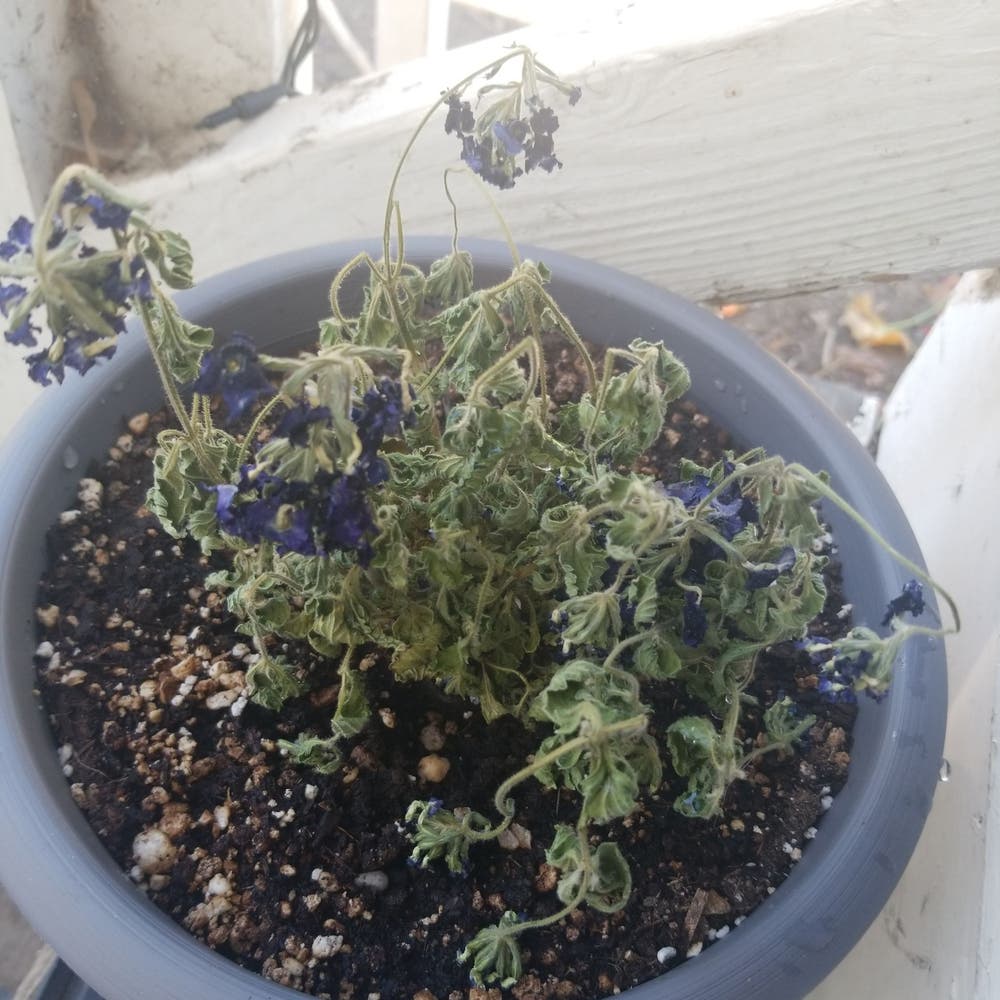
How to Recognize and Treat Root Rot in Your Creeping Vervain 💧
Verbena officinalis
By the Greg Editorial Team
Oct 17, 2024•5 min read
This article was created with the help of AI so we can cover more plants for you. May contain errors. See one? Report it here.
- 🌱 Dark, mushy roots indicate root rot; cut them away to prevent spread.
- 💧 Clean healthy roots under water to remove pathogens and reduce future rot risk.
- 🪴 Use well-draining soil and pots with drainage holes to prevent root suffocation.
Treating Root Rot
Step-by-Step Treatment Process 🌱
Remove the Plant from Its Pot
Start by gently loosening the soil around the roots. This helps minimize damage as you lift the plant out.Inspect the Roots
Look for dark, mushy roots. These are signs of rot; cut them away carefully to prevent further spread.Clean the Remaining Roots
Rinse the healthy roots under water. This removes any lingering soil and pathogens that could cause future issues.Allow Roots to Dry
Place the cleaned roots in a shaded area for a few hours. This drying period is crucial for preventing further rot.Prepare a New Pot
Use fresh, well-draining soil in a clean pot. This gives your plant a fresh start and reduces the risk of reinfection.
Recommended Fungicides or Treatments 🧪
Organic Options
Consider using neem oil or cinnamon powder. Both serve as effective natural fungicides.Chemical Treatments
Look for specific fungicides labeled for root rot. These can provide a stronger defense against pathogens.Application Methods
You can drench the soil or spray affected areas. Choose the method that best fits your treatment plan.
How to Repot Affected Plants 🌍
Choosing the Right Pot
Ensure your new pot has drainage holes. This is essential for preventing future water accumulation.Soil Selection
Opt for a mix designed for good drainage. A well-draining soil will support healthy root growth.Repotting Process
Place the plant in the new pot and fill it with soil. Make sure the roots are covered but not compacted to allow for airflow.
By following these steps, you can effectively treat root rot and give your creeping vervain a chance to thrive again. Next, let’s explore how to prevent root rot from occurring in the first place.
Preventing Root Rot
🌧️ Importance of Soil Drainage
Soil drainage is crucial for maintaining root health. Poor drainage can lead to waterlogged soil, which suffocates roots and promotes root rot.
Choosing pots with drainage holes is essential. These holes allow excess water to escape, preventing the roots from sitting in stagnant moisture.
🏺 Best Soil Types
For optimal growth, use well-draining potting soil or sandy loam. These soil types provide the right balance of moisture retention and drainage.
Consider adding soil amendments like perlite or vermiculite. These materials enhance drainage, ensuring your plant's roots remain healthy and aerated.
🚿 Watering Practices to Avoid Root Rot
Adjust your watering frequency based on the season and soil moisture levels. In warmer months, plants may need more water, while cooler months require less.
Be vigilant for signs of overwatering, such as yellowing leaves or a soggy feel to the soil. Recognizing these indicators early can save your plant from root rot.
Best practices include watering in the morning. This allows the soil to dry out during the day, reducing the risk of root rot.
By implementing these preventive measures, you can keep your creeping vervain thriving. Next, let’s explore how to monitor plant health effectively.
Monitoring Plant Health
Regular Checks for Root Rot Symptoms 🌱
To keep your creeping vervain thriving, conduct weekly inspections. Look for signs of distress, such as wilting leaves or discoloration, which may indicate root rot.
Soil moisture testing is also crucial. Use moisture meters to ensure your plant isn’t sitting in overly wet soil, which can lead to root issues.
Adjusting Care Based on Seasonal Changes 🍂
As seasons change, so should your watering habits. In cooler months, reduce the frequency of watering to prevent excess moisture.
Light exposure is equally important. Ensure your plant receives adequate sunlight to promote healthy growth and resilience against root rot.
Signs of Recovery from Root Rot 🌼
After treatment, watch for new growth as a positive sign. Fresh leaves and stems indicate that your plant is bouncing back.
Check root health during repotting. Firm, healthy roots are a good indicator that recovery is underway.
Finally, observe overall vigor. Increased flowering and denser foliage signal that your creeping vervain is thriving once again.
By monitoring these aspects, you can ensure your plant remains healthy and vibrant. Next, let’s explore common misconceptions about root rot and how to differentiate it from other plant issues.
Common Misconceptions
🌱 Myths About Root Rot and Overwatering
Many plant owners mistakenly believe that all wilting indicates root rot. In reality, wilting can stem from various issues, including underwatering or environmental stress.
Another common misconception is that simply reducing watering will solve the problem. While overwatering is a concern, proper drainage is crucial for healthy roots.
🔍 Clarifying the Difference Between Root Rot and Other Plant Issues
It's essential to distinguish root rot from pest damage. Signs of insect infestations, like visible bugs or webbing, differ significantly from the decay associated with root rot.
Additionally, nutrient deficiencies can mimic root rot symptoms. Yellowing leaves or stunted growth may indicate a lack of essential nutrients rather than root decay.
Understanding these distinctions helps in providing the right care for your plants. By addressing the actual issue, you can foster a healthier environment for your creeping vervain.
As we move forward, let’s explore how to monitor plant health effectively to catch these issues early.
⚠️ Safety First
This content is for general information and may contain errors, omissions, or outdated details. It is not medical, veterinary advice, or an endorsement of therapeutic claims.
Always consult a qualified healthcare professional before using any plant as food, medicine, or supplement.
Never eat any plant (or feed one to pets) without confirming its identity with at least two trusted sources.
If you suspect poisoning, call Poison Control (800) 222-1222, the Pet Poison Helpline (800) 213-6680, or your local emergency service immediately.
Spotted an error? Please report it here.
Recognizing and treating root rot in your creeping vervain is essential for its health, and with Greg's tailored care reminders and moisture testing, you'll be well on your way to keeping your plants thriving 🌿!