Best Practices for Planting Creeping Vervain 🌸
Verbena officinalis
By the Greg Editorial Team
Oct 17, 2024•4 min read
This article was created with the help of AI so we can cover more plants for you. May contain errors. See one? Report it here.
- 🌱 Transplants establish faster than seeds, giving quicker results in your garden.
- 🌞 Optimal planting times are early spring and fall for best growth.
- 💧 Maintain moderate soil moisture to prevent transplant shock and ensure healthy plants.
Key Considerations for Planting Creeping Vervain
🌱 Planting vs. Transplanting
When deciding between planting seeds or transplanting established plants, cost is a significant factor. Seeds typically have a lower initial cost, but you might face additional expenses for soil amendments when transplanting.
Time to maturity is another crucial consideration. New plants take longer to establish, while transplants can settle in more quickly, giving you faster results.
Adaptability also plays a role in your decision. New plants often require more care and attention, while established plants tend to adapt to their new environment with greater ease.
Understanding these factors can help you make an informed choice that aligns with your gardening goals. Whether you opt for seeds or transplants, each method has its unique advantages and challenges.
Planting New Creeping Vervain
Optimal Timing for Planting 🌱
The best time to plant Creeping Vervain is early spring or fall. This timing aligns perfectly with the plant's growth cycle, allowing it to establish roots before extreme weather sets in.
Selecting Soil Mix and Containers 🪴
Creeping Vervain thrives in well-draining, fertile soil. If you're container gardening, choose pots with drainage holes that are at least 6-8 inches deep to ensure healthy growth.
Proper Depth and Spacing 📏
When planting, ensure you dig a hole that is 1-2 inches deep. Space your plants 12-18 inches apart for optimal growth, giving them room to spread.
Maintaining Ideal Growing Conditions ☀️
Creeping Vervain requires moderate watering; keep the soil consistently moist but avoid waterlogging. For light, aim for full sun to partial shade, with at least 6 hours of sunlight preferred.
Hardening Off Process 🛠️
Before transplanting outdoors, harden off your plants for 7-10 days. Gradually expose them to outdoor conditions, starting with just a few hours each day to help them acclimate.
By following these guidelines, you'll set your Creeping Vervain up for success. Next, let’s explore how to transplant established plants to ensure they thrive in their new environment.
Transplanting Established Creeeping Vervain
🌱 Optimal Timing for Transplanting
Transplanting Creeping Vervain is best done in early spring or fall. Keep an eye on your plants; they’ll show signs when they’re ready for a new home.
🛠️ Step-by-Step Instructions for Transplanting
Removing the Plant from Its Current Location
Start by using a spade to dig around the root zone, about 12-18 inches from the base. Carefully lift the plant to minimize any root damage.Preparing the New Planting Site
Clear away any debris and weeds from the new area. If needed, amend the soil to ensure it drains well.Ensuring Proper Placement and Spacing
Plant your Creeping Vervain at the same depth it was previously growing. Maintain a spacing of 12-18 inches apart for optimal growth.
💧 Tips for Watering, Mulching, and Providing Support
Watering: After transplanting, give your plants a thorough watering. Then, keep the soil moderately moist.
Mulching: Apply a 2-3 inch layer of organic mulch around the base. This helps retain moisture and suppress weeds.
Support: If your newly transplanted plants need it, don’t hesitate to use stakes or other supports to help them establish.
Transplanting can be a rewarding experience, ensuring your Creeping Vervain thrives in its new environment. Next, let’s tackle some common issues you might encounter during this process.
Troubleshooting Common Issues
🌱 Addressing Transplant Shock
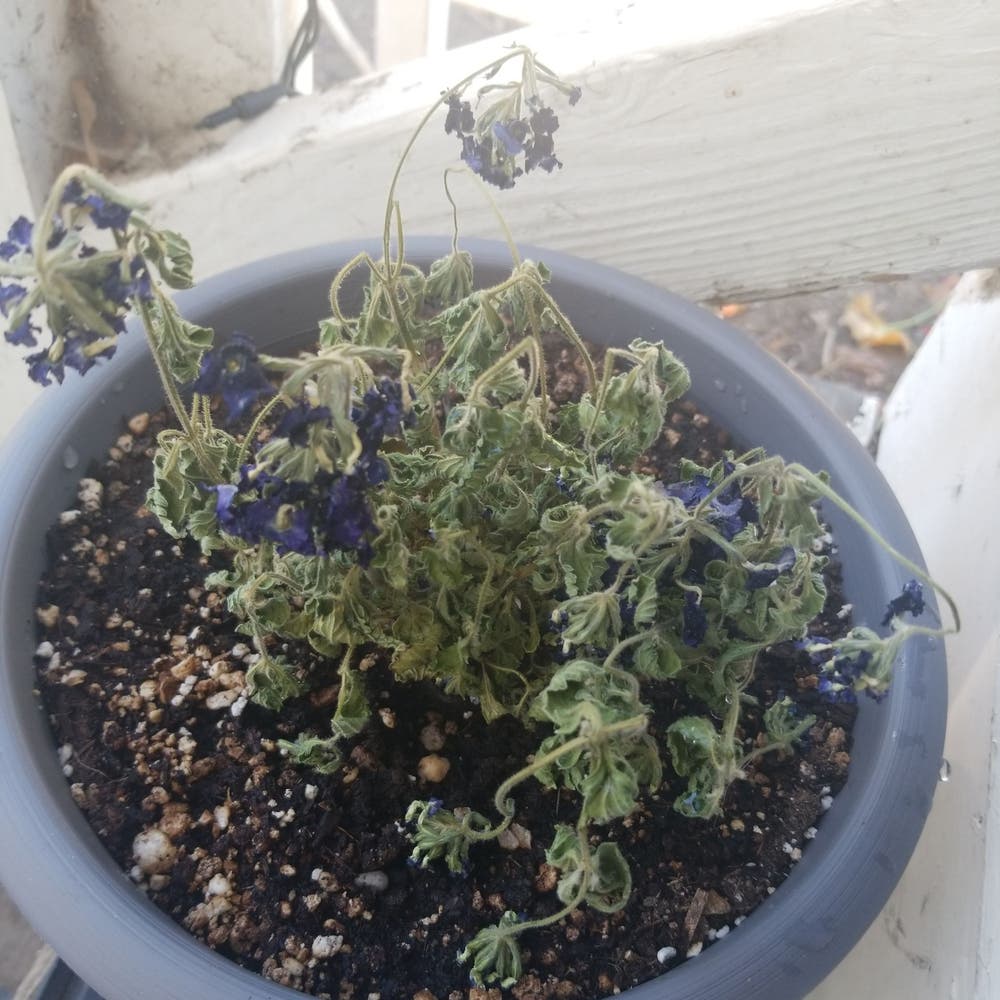
Transplant shock can be a real hurdle for your creeping vervain. Symptoms include wilting, yellowing leaves, and stunted growth, signaling that your plant is struggling to adjust.
To combat this, ensure you're watering adequately. It's also wise to hold off on fertilizing immediately after transplanting, as this can further stress the plant.
🔍 Solutions for Establishment Problems
If your creeping vervain shows signs of poor growth or a lack of flowering, it’s time to investigate. These issues often stem from inadequate soil moisture or insufficient light exposure.
Check the soil to ensure it’s not too dry or waterlogged. Adjusting light conditions and amending the soil can also help your plants thrive.
🛠️ General Care Tips
Regular monitoring is key to a healthy garden. Keep an eye out for pests and diseases that could hinder your plants' growth.
Additionally, routinely check soil moisture levels and adjust your watering schedule as needed. This proactive approach will keep your creeping vervain flourishing.
With these troubleshooting tips in hand, you're well-equipped to nurture your creeping vervain back to health. Next, let’s explore how to maintain optimal growing conditions to ensure your plants thrive.
⚠️ Safety First
This content is for general information and may contain errors, omissions, or outdated details. It is not medical, veterinary advice, or an endorsement of therapeutic claims.
Always consult a qualified healthcare professional before using any plant as food, medicine, or supplement.
Never eat any plant (or feed one to pets) without confirming its identity with at least two trusted sources.
If you suspect poisoning, call Poison Control (800) 222-1222, the Pet Poison Helpline (800) 213-6680, or your local emergency service immediately.
Spotted an error? Please report it here.
Plant Creeping Vervain like a pro 🌱 with Greg's tailored care reminders and community insights, ensuring your garden flourishes with vibrant growth!