10 Secrets to Thriving Outdoor Creeping Vervain 🦋
Verbena officinalis
By the Greg Editorial Team
Oct 17, 2024•7 min read
This article was created with the help of AI so we can cover more plants for you. May contain errors. See one? Report it here.
- ☀️ Creeping vervain needs 6-8 hours of sunlight for optimal growth and blooms.
- 💧 Consistent soil moisture is key; watch for signs of over or underwatering.
- 🌱 Well-draining, loamy soil with pH 6.0-7.0 ensures thriving plants.
Sunlight Needs
Ideal Sunlight Exposure ☀️
Creeping vervain thrives in full sun, requiring at least 6-8 hours of direct sunlight daily. While it can tolerate partial shade, this may lead to reduced flowering, so aim for those sunny spots!
Importance of Sunlight 🌼
Sunlight is crucial for promoting healthy growth and vibrant flower production. Without sufficient sunlight, you might notice leggy growth and poor flowering, which can be disappointing for any gardener.
By ensuring your creeping vervain gets the right amount of sunlight, you set the stage for a flourishing garden. Next, let’s dive into the watering requirements to keep your plants hydrated and happy!
Watering Requirements
💧 General Watering Guidelines
Keeping your creeping vervain's soil consistently moist is crucial, especially during its first growing season. Once established, these resilient plants can tolerate some drought but thrive with regular watering during dry spells.
🚰 Signs of Overwatering and Underwatering
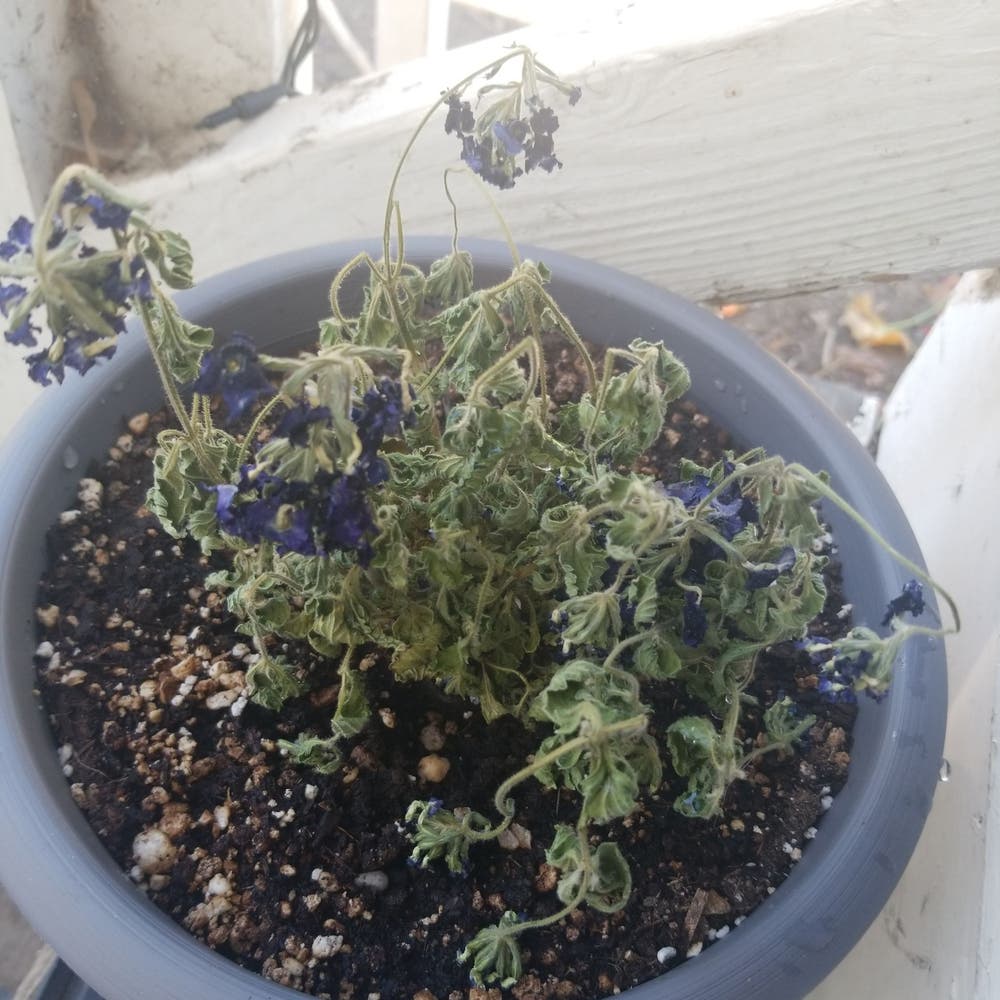
Watch for yellowing leaves or root rot, which are clear signs of overwatering. On the flip side, if you notice wilting or dry leaves, it’s time to step up your watering game.
Understanding these watering needs will help your creeping vervain flourish, setting the stage for vibrant blooms and healthy growth. Next, let’s explore the ideal soil preferences for this beautiful plant.
Soil Preferences
Ideal Soil Conditions 🌱
Creeping vervain thrives in well-draining, loamy soil. This type of soil provides the perfect balance of moisture retention and drainage, essential for healthy root development.
The ideal pH range for creeping vervain is slightly acidic to neutral, specifically between 6.0 and 7.0. This pH level ensures that nutrients are readily available for the plant's uptake.
Soil Preparation Tips 🛠️
To enhance soil quality, incorporate organic matter like compost or well-rotted manure. This not only improves drainage but also boosts fertility, giving your plants the nutrients they need to flourish.
Conducting a soil test is a smart move. It helps you understand nutrient levels and pH, allowing for targeted amendments that will optimize growing conditions for your creeping vervain.
With the right soil conditions and preparation, your creeping vervain will be set up for success. Next, let’s explore the various planting options available for this versatile plant.
Planting Options
🌱 Container Planting: Benefits and Drawbacks
Benefits
Container planting offers a unique advantage in mobility. You can easily move pots to capture optimal sunlight, ensuring your creeping vervain thrives.
Another perk is soil control. With containers, you can select specific soil mixes tailored to your plant's needs, enhancing growth potential.
Drawbacks
However, limited root space can be a challenge. This restriction often means you'll need to water and fertilize more frequently to keep your plants healthy.
Temperature sensitivity is another concern. Containers can heat up quickly, which may stress the roots and affect overall plant health.
🌍 Ground Planting: Benefits and Drawbacks
Benefits
Ground planting allows for natural growth, enabling extensive root development. This can lead to a more robust plant that flourishes in its environment.
Additionally, creeping vervain is effective in preventing soil erosion due to its spreading habit. This makes it a great choice for stabilizing soil in various landscapes.
Drawbacks
On the flip side, ground planting offers less control over soil conditions. You may need to amend the soil based on its existing quality, which can be a hassle.
Lastly, once you plant in the ground, relocating becomes a challenge. If conditions aren't ideal, it can be tough to move your plants without causing stress.
As you weigh your planting options, consider how each choice aligns with your gardening goals. This will set the stage for successful growth and vibrant blooms.
Weather Protection
Protecting from Extreme Weather Conditions 🌪️
Creeping vervain thrives best when shielded from extreme weather. For unexpected cold snaps, frost cloths or blankets can provide essential protection, ensuring your plants stay warm and healthy.
During scorching heat, it's crucial to offer shade. This prevents wilting and keeps your plants hydrated, allowing them to flourish even in the hottest conditions.
Seasonal Changes and Their Impact 🍂
Spring brings the risk of late frosts, so keep a close eye on the weather. As temperatures rise, adjust your watering routine to ensure your plants receive adequate moisture.
In summer, maintaining consistent moisture is key. Hot months can quickly dry out the soil, so be vigilant about watering.
As fall approaches, prepare for cooler temperatures by reducing watering frequency. This helps your creeping vervain transition smoothly into winter dormancy, setting the stage for a robust comeback in spring.
With these weather protection strategies, your creeping vervain will not only survive but thrive through the seasons. Next, let’s explore how to manage pests and diseases effectively.
Pest and Disease Management
🐜 Common Outdoor Pests
Aphids
Aphids can be a real nuisance for your creeping vervain. Look out for curling leaves and a sticky residue on the plant, which are telltale signs of an infestation.
To combat these pests, consider introducing beneficial insects like ladybugs. Alternatively, insecticidal soap can effectively manage their population without harming your plants.
Spider Mites
Spider mites are another common threat. You might notice fine webbing on the leaves, indicating their presence.
To control spider mites, increase humidity around your plants. If the problem persists, using miticides can help restore balance.
🦠 Disease Prevention Strategies
Fungal diseases can wreak havoc on your creeping vervain if not managed properly. Ensure good air circulation around your plants and avoid overhead watering to minimize the risk.
Regular inspections are crucial. Check for any signs of disease and promptly remove affected plants to prevent spreading.
By staying vigilant and proactive, you can keep your creeping vervain thriving and beautiful. Now, let’s explore how to care for your plants throughout the seasons.
Seasonal Care
🌱 Spring Care Tips
Spring is the perfect time to rejuvenate your creeping vervain. Start by pruning away any dead or damaged growth to encourage fresh, vibrant shoots.
Next, apply a balanced fertilizer to give your plants the nutrients they need for healthy growth. This simple step can make a significant difference in their vitality.
☀️ Summer Maintenance
As temperatures rise, maintaining consistent moisture is crucial. Water your creeping vervain regularly, especially during dry spells, to keep them thriving.
Don't forget to deadhead spent flowers. This practice encourages continuous blooming, ensuring your garden remains colorful throughout the season.
🍂 Fall Preparation
As summer fades, it's time to prepare for the cooler months ahead. Apply a layer of mulch around your plants to protect their roots and retain moisture.
Additionally, trim back spent foliage. This not only tidies up your garden but also prepares your plants for winter dormancy.
❄️ Winter Protection
Winter can be harsh, so insulating your plants is essential. Use mulch or straw to shield the roots from freezing temperatures, ensuring they survive the cold.
For container plants, move pots to sheltered areas. This simple action can prevent frost damage and keep your plants safe during the chill.
With these seasonal care tips, your creeping vervain will not only survive but thrive throughout the year. Next, let’s explore how climate zones affect their growth and adaptability.
Climate Zone Considerations
🌍 Best Zones for Creeping Vervain
Creeping vervain thrives in USDA hardiness zones 5-9. This plant is adaptable, able to tolerate a variety of climates, but it truly flourishes in moderate conditions.
🌡️ Adaptation Strategies for Different Climates
In hot climates, increase watering frequency and provide afternoon shade to protect the plant from scorching sun. For cold climates, implement protective measures during winter months to prevent frost damage, ensuring your vervain stays healthy and vibrant.
With the right care tailored to your climate, your creeping vervain can become a stunning addition to your outdoor space. Next, let’s explore effective pest and disease management strategies to keep your plants thriving.
⚠️ Safety First
This content is for general information and may contain errors, omissions, or outdated details. It is not medical, veterinary advice, or an endorsement of therapeutic claims.
Always consult a qualified healthcare professional before using any plant as food, medicine, or supplement.
Never eat any plant (or feed one to pets) without confirming its identity with at least two trusted sources.
If you suspect poisoning, call Poison Control (800) 222-1222, the Pet Poison Helpline (800) 213-6680, or your local emergency service immediately.
Spotted an error? Please report it here.
Unlock a blooming garden 🌼 with Greg's tailored reminders and expert tips, ensuring your creeping vervain gets the perfect sunlight and moisture it craves all year round!