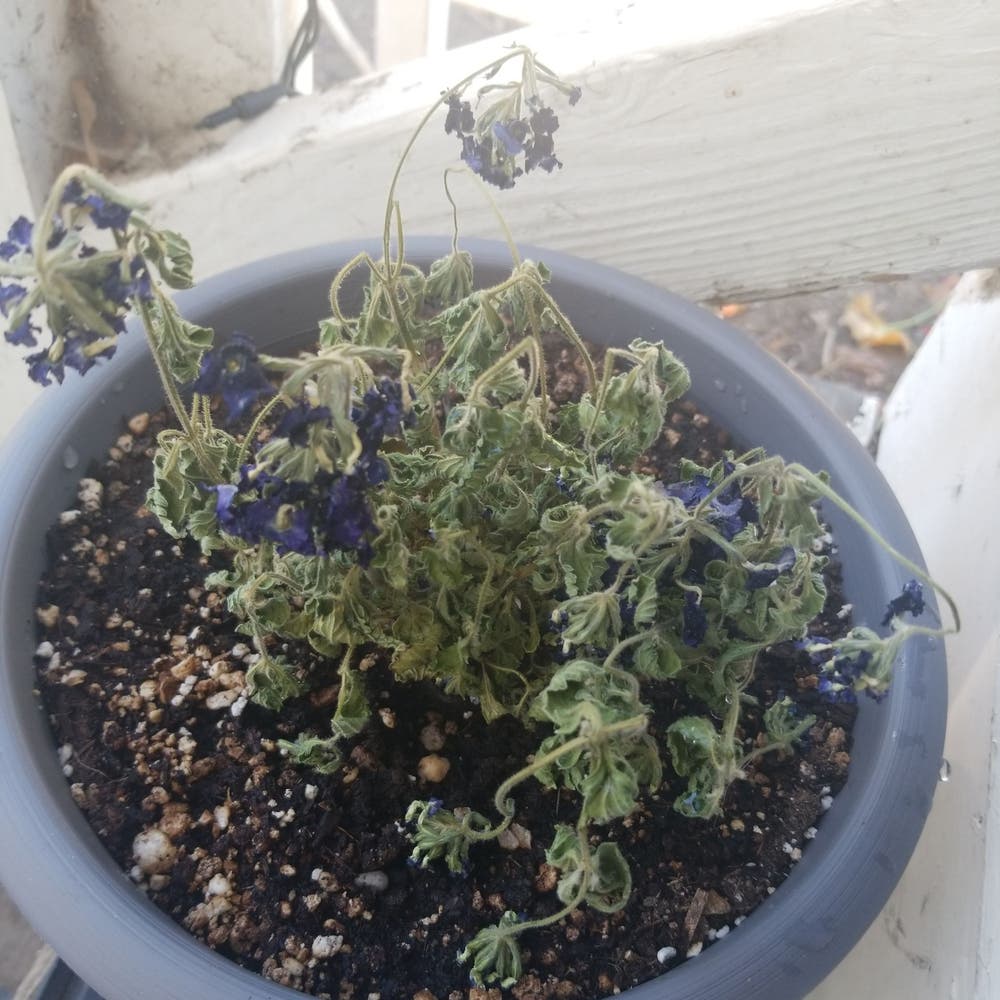
6 Perfect Plant Partners for Creeping Vervain 👫
Verbena officinalis
By the Greg Editorial Team
Oct 17, 2024•4 min read
This article was created with the help of AI so we can cover more plants for you. May contain errors. See one? Report it here.
- 🌱 Creeping Vervain thrives with specific companion plants that boost growth and health.
- 🐝🌼 Lavender and Catmint attract pollinators while repelling pests, enhancing garden vitality.
- 🎨 Diverse companion plants create visual appeal and a resilient garden ecosystem.
Best Companion Plants
Plant 1: Lavender 🌿
Lavender is an aromatic herb that thrives in well-drained soil and full sun, making it a perfect partner for Creeping Vervain. Not only does it attract pollinators, but it also repels pests like aphids and moths, creating a healthier garden environment.
Plant 2: Catmint 🐱
Catmint is a herbaceous perennial known for its sprawling habit, which beautifully complements the growth of Creeping Vervain. This drought-tolerant plant attracts pollinators, enhancing the diversity of your garden.
Plant 3: Yarrow 🌼
Yarrow is a hardy perennial celebrated for its pest-repellent properties, especially against aphids. Its contrasting texture and height add visual interest, making it a valuable addition to your garden landscape.
Plant 4: Marigold 🌸
Marigolds are vibrant annual flowers with strong pest-repellent properties, particularly effective against nematodes. Their bright colors not only enhance visual appeal but also attract beneficial insects, contributing to a thriving ecosystem.
Plant 5: Echinacea 🌺
Echinacea, or coneflower, is a pollinator-friendly plant that thrives in conditions similar to those preferred by Creeping Vervain. It adds height and vibrant color, enhancing the overall aesthetic of your garden.
Plant 6: Sedum 🌵
Sedum is a succulent ground cover that shares drought tolerance with Creeping Vervain. Its unique texture and ability to attract pollinators make it a fantastic choice for increasing garden diversity.
These companion plants not only support the growth of Creeping Vervain but also create a vibrant, healthy garden. Next, let’s explore how these plants can aid in pest management.
Pest Management
How Companion Plants Help with Pest Management 🌱
Companion plants are nature's little guardians. They can repel harmful insects, which means you might not need to reach for those chemical pesticides as often.
Additionally, some plants attract beneficial insects. These predatory allies help keep pest populations in check, creating a healthier garden ecosystem.
Specific Pest-Repellent Properties 🐞
Lavender is a powerhouse in the garden. It repels moths and aphids, making it a fantastic partner for Creeping Vervain.
Marigold is another champion, known for its ability to deter nematodes and various garden pests. Its vibrant blooms not only look great but also serve a purpose.
Yarrow rounds out this trio by attracting ladybugs, which are voracious predators of aphids. This natural pest control method enhances the garden's biodiversity while keeping it thriving.
By incorporating these companion plants, you can create a more resilient garden that thrives without the heavy hand of chemicals. This approach not only benefits your plants but also contributes to a healthier environment.
Next, let's explore how these companion plants enhance the visual appeal of your garden.
Visual Appeal
How Companion Plants Enhance Visual Appeal 🌼
Companion plants can transform your garden into a vibrant tapestry. The bright flowers of these plants contrast beautifully with the purple blooms of Creeping Vervain, creating a stunning visual display.
Textural diversity is another key benefit. Varied leaf shapes and sizes add depth, making your garden more engaging and dynamic.
Color and Texture Combinations 🎨
Pairing Creeping Vervain with tall plants like Echinacea creates a striking height contrast. This not only draws the eye upward but also adds layers to your garden's design.
On the other hand, using low-growing sedums can create a lush ground cover effect. This combination enhances the overall aesthetic while providing a beautiful backdrop for the taller plants.
By thoughtfully selecting companion plants, you can elevate the visual appeal of your garden, making it a feast for the eyes. Next, let’s explore how these plants can help with pest management.
Plants to Avoid
List of Plants to Avoid 🌿
- Fennel
- Potatoes
- Cabbage family
Reasons for Avoidance 🚫
Fennel can be a sneaky troublemaker in the garden. It has the potential to inhibit the growth of neighboring plants, including Creeping Vervain.
Potatoes, while delicious, can attract pests that pose a threat to Creeping Vervain. Their presence might invite unwanted visitors that could harm your garden.
The cabbage family, including broccoli and kale, competes fiercely for nutrients. This competition can leave Creeping Vervain vulnerable to pests that are drawn to these nutrient-hungry plants.
By steering clear of these plants, you can create a more harmonious garden environment. This will help ensure that your Creeping Vervain thrives alongside its perfect companions.
Next, let’s explore how companion plants can enhance pest management in your garden.
⚠️ Safety First
This content is for general information and may contain errors, omissions, or outdated details. It is not medical, veterinary advice, or an endorsement of therapeutic claims.
Always consult a qualified healthcare professional before using any plant as food, medicine, or supplement.
Never eat any plant (or feed one to pets) without confirming its identity with at least two trusted sources.
If you suspect poisoning, call Poison Control (800) 222-1222, the Pet Poison Helpline (800) 213-6680, or your local emergency service immediately.
Spotted an error? Please report it here.
Transform your garden into a vibrant tapestry of colors and textures 🌈 with Greg's tailored care tips that ensure your Creeping Vervain thrives alongside perfect companions like lavender and echinacea!