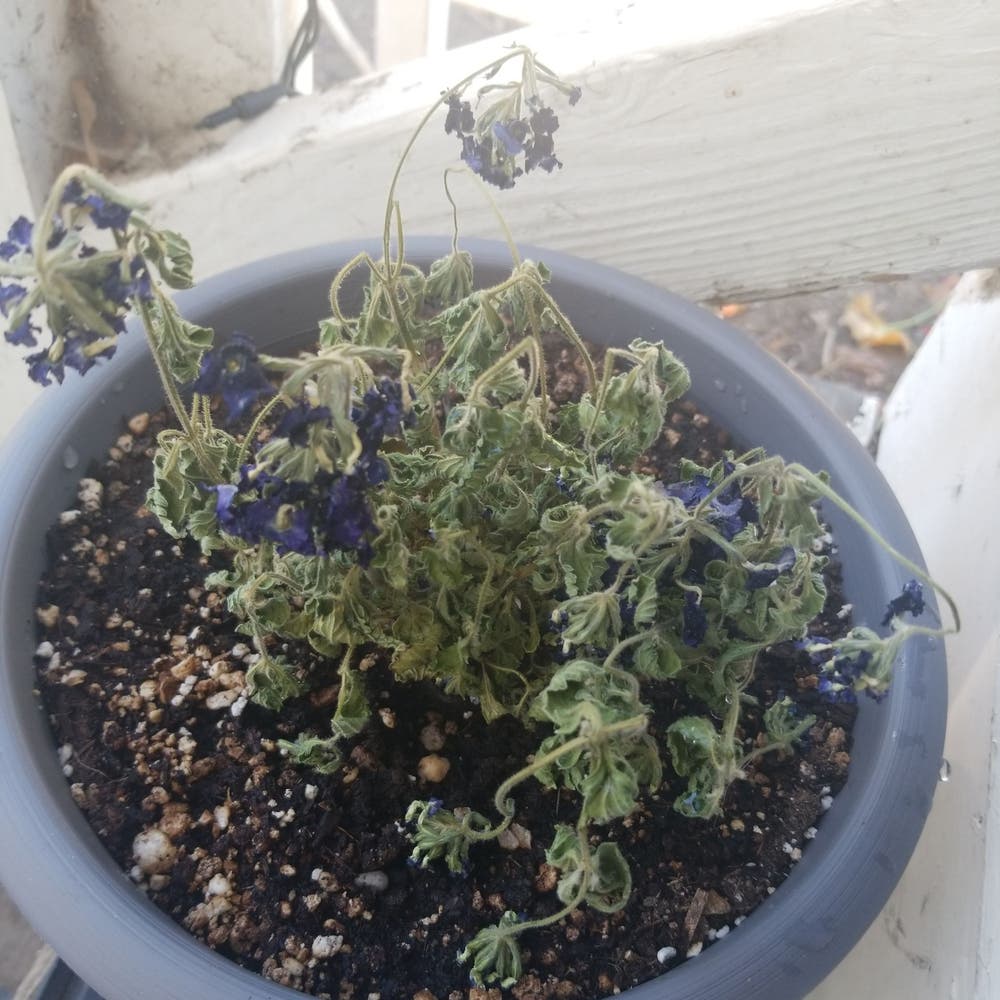
Managing Yellow Leaves on Your Creeping Vervain
Verbena officinalis
By the Greg Editorial Team
Oct 17, 2024•5 min read
This article was created with the help of AI so we can cover more plants for you. May contain errors. See one? Report it here.
- 🌱 Yellow leaves indicate nutrient deficiencies, especially nitrogen and iron.
- 💧 Overwatering and underwatering both cause yellowing; maintain a consistent watering schedule.
- 🐛 Pests and fungal infections can also lead to yellow leaves; inspect regularly for issues.
Causes of Yellow Leaves
🌱 Nutrient Deficiencies
Nitrogen Deficiency
Nitrogen deficiency manifests as a general yellowing of older leaves and stunted growth. This nutrient is vital for chlorophyll production and overall plant vigor, making it essential for a healthy creeping vervain.
Iron Deficiency
Iron deficiency shows up as yellowing between leaf veins, while the veins themselves remain green. This nutrient is crucial for photosynthesis and enzyme function, so addressing it promptly is key to maintaining plant health.
💧 Overwatering and Poor Drainage
Overwatering leads to yellowing leaves, wilting, and mushy roots. Creeping vervain is sensitive to excess moisture, which can cause root rot, so ensuring well-draining soil is critical to prevent water accumulation.
🌵 Underwatering and Drought Stress
Underwatering results in yellowing and crispy leaf edges, along with drooping. Insufficient water can stress the plant, so it's important to monitor soil moisture regularly to keep your creeping vervain thriving.
🐛 Pest Infestations
Aphids
Aphids cause curling leaves, sticky residue, and yellowing. Regular inspection and the use of insecticidal soap can help control these pests effectively.
Spider Mites
Spider mites create fine webbing and stippled yellow leaves. Increasing humidity and applying neem oil can mitigate their impact on your plants.
🍄 Fungal Infections
Root Rot
Root rot leads to yellowing leaves and wilting, even when watering is adequate. To prevent this, ensure proper soil drainage and avoid overwatering.
Leaf Spot
Leaf spot appears as dark spots on leaves, which can lead to yellowing. Removing affected leaves and applying fungicides, if necessary, can help manage this issue.
Understanding these causes is the first step in addressing yellow leaves on your creeping vervain. Next, we'll explore how to diagnose these yellowing symptoms effectively.
Diagnosing Yellow Leaves
🔍 Visual Inspection Techniques
To effectively diagnose yellow leaves on your creeping vervain, start with a thorough visual inspection. Look closely at the leaves for any discoloration patterns and signs of pests.
📈 Identifying Patterns of Yellowing
Whole Plant vs. Specific Leaves
When the entire plant is yellowing, it often points to nutrient deficiencies or environmental stress. In contrast, if only specific leaves are yellowing, localized issues like pests or diseases may be at play.
🧪 Soil Testing for Nutrient Levels
Soil testing is crucial for understanding nutrient levels and pH. Regular tests help you maintain a balanced nutrient profile, ensuring your plants thrive.
🐛 Checking for Pests and Diseases
Regular inspections are key to catching problems early. Check the undersides of leaves and stems for pests, and look for signs of fungal infections or other diseases that could be affecting your plant's health.
By following these diagnostic steps, you can pinpoint the cause of yellow leaves and take appropriate action. Next, let’s explore effective methods to alleviate yellowing and restore your creeping vervain to its vibrant self.
Alleviating Yellow Leaves
🌊 Adjusting Watering Practices
Establishing a consistent watering schedule is crucial for your creeping vervain. Monitor soil moisture regularly to ensure your plant receives the right amount of water.
Consider using the Greg plant care app for AI-powered reminders. This tool can help you stay on track with your watering routine, preventing both overwatering and underwatering.
🌱 Fertilization Methods
Organic Fertilizers
Organic options like compost, fish emulsion, or seaweed extract can significantly boost your plant's health. Apply these fertilizers monthly during the growing season for optimal results.
Synthetic Fertilizers
Balanced NPK fertilizers are another effective choice. Always follow package instructions for dosage to avoid over-fertilizing, which can lead to further yellowing.
💧 Improving Soil Drainage
Enhancing soil drainage is vital for preventing yellow leaves. Amend your soil with perlite or sand to improve its structure and drainage capabilities.
Consider using raised beds or mounds to facilitate better water flow. This practice helps prevent water accumulation, which can lead to root rot.
🐞 Pest Control Strategies
Insecticidal Soap
Insecticidal soap is an effective method for managing pests. Spray it directly on affected areas every 7-10 days until you see improvement.
Neem Oil
Neem oil serves as a natural pesticide that disrupts pest life cycles. Dilute it and spray on leaves, focusing on the undersides where pests often hide.
🦠 Treating Fungal Infections
Fungicides
For fungal issues like root rot and leaf spot, broad-spectrum fungicides can be beneficial. Always follow label instructions for effective treatment.
Cultural Practices
Implementing good cultural practices is essential for disease prevention. Crop rotation and maintaining sanitation in your garden can help minimize the spread of fungal infections.
By addressing these factors, you can effectively alleviate yellow leaves on your creeping vervain. Next, let’s explore how to prevent yellow leaves from occurring in the first place.
Preventing Yellow Leaves
🌊 Best Practices for Watering
Watering deeply but infrequently is key to encouraging robust root growth. Always keep an eye on weather conditions to adjust your watering schedule as needed.
🧪 Regular Soil Testing and Amendments
Schedule soil tests at least once a year to check nutrient levels. Based on the results, amend your soil to maintain a healthy nutrient balance.
☀️ Proper Sunlight Exposure
Ensure your creeping vervain receives full sun for optimal growth. If your plants are in shaded areas, consider relocating them to boost their health.
🍂 Seasonal Care Adjustments
Adjust your watering and fertilization routines according to seasonal changes. During warmer months, increase monitoring for pests and diseases to catch any issues early.
🐛 Monitoring for Pests and Diseases
Conduct regular inspections, especially during peak growing seasons. Implement integrated pest management strategies to detect problems before they escalate.
By following these preventive measures, you can keep your creeping vervain vibrant and healthy, minimizing the chances of yellow leaves. Next, let’s explore how to alleviate yellowing once it occurs.
⚠️ Safety First
This content is for general information and may contain errors, omissions, or outdated details. It is not medical, veterinary advice, or an endorsement of therapeutic claims.
Always consult a qualified healthcare professional before using any plant as food, medicine, or supplement.
Never eat any plant (or feed one to pets) without confirming its identity with at least two trusted sources.
If you suspect poisoning, call Poison Control (800) 222-1222, the Pet Poison Helpline (800) 213-6680, or your local emergency service immediately.
Spotted an error? Please report it here.
Revive your creeping vervain and banish yellow leaves 🌿 with Greg's tailored watering reminders and nutrient tips for thriving plants!