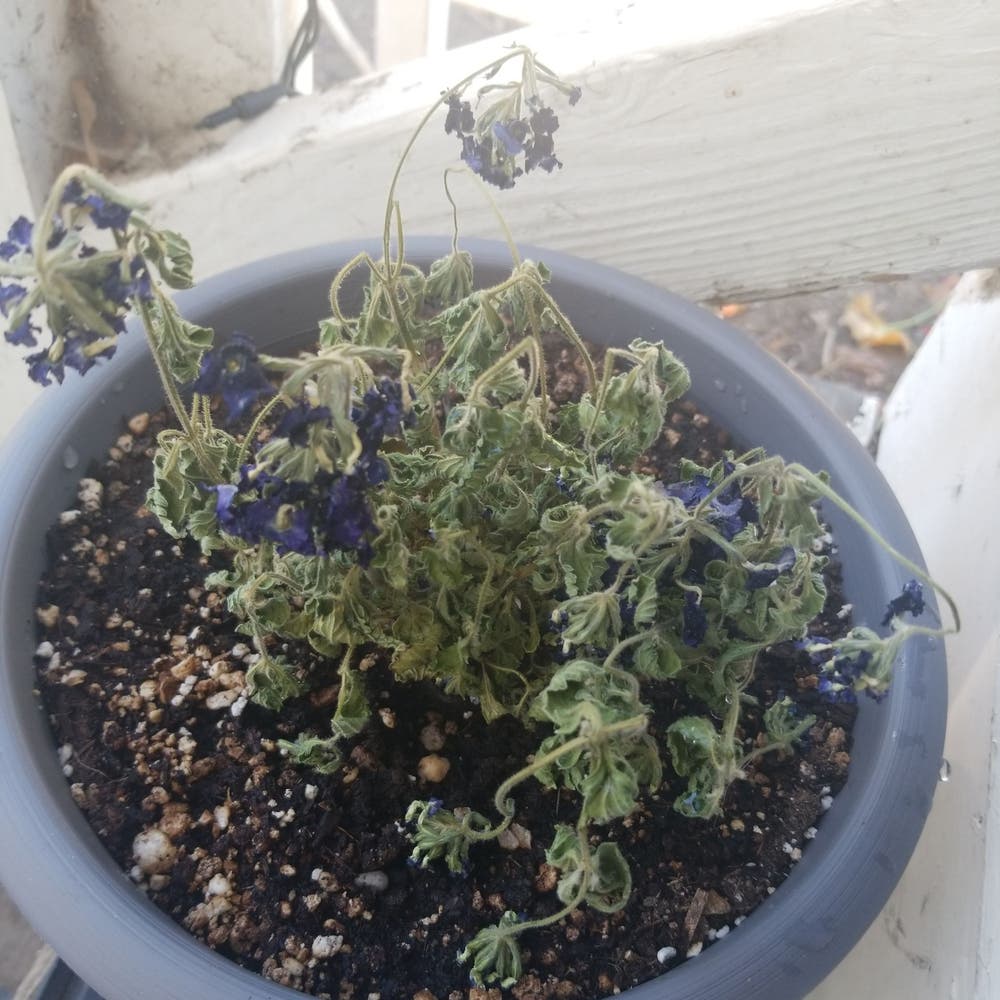
3 Tips for Healing Brown Spots on Your Creeping Vervain 🩹
Verbena officinalis
By the Greg Editorial Team
Oct 17, 2024•3 min read
This article was created with the help of AI so we can cover more plants for you. May contain errors. See one? Report it here.
- 🌱 Identify causes of brown spots for effective treatment of Creeping Vervain.
- 💧 Maintain consistent moisture to prevent overwatering and root rot.
- ✂️ Prune affected leaves to encourage healthier growth and prevent disease spread.
Diagnosing the Problem
Differentiating Causes 🌈
Identifying the cause of brown spots on your Creeping Vervain is crucial for effective treatment.
Fungal Symptoms: Look for dark, irregular spots accompanied by yellow halos. These are often signs of fungal infections that need immediate attention.
Bacterial Symptoms: If you notice water-soaked lesions that may ooze, this indicates a bacterial issue. Quick action can prevent further damage.
Environmental Symptoms: Scorched edges or patches suggest environmental stress, such as sunburn or drought. Recognizing these signs helps you adjust care accordingly.
Assessing Soil Moisture and Drainage Issues 💧
Soil health plays a significant role in plant vitality.
Soil Moisture Testing: Use simple techniques like the finger test or moisture meters to check if your plant is overwatered or underwatered. This ensures your Creeping Vervain receives the right amount of hydration.
Drainage Evaluation: Well-draining soil is essential for preventing root rot. Assess your soil's drainage capabilities to maintain a healthy environment for your plant.
Understanding these diagnostic steps will set the stage for effective treatment options. Next, we’ll explore how to tackle those pesky brown spots head-on.
Treatment Options
Step-by-Step Guide to Treating Brown Spots 🌿
Identify the cause: Start by revisiting the diagnostic steps to pinpoint whether the issue is fungal, bacterial, or environmental.
Remove affected leaves: Prune the damaged areas carefully. This helps prevent the spread of disease and encourages healthier growth.
Adjust watering practices: Ensure your watering routine provides consistent moisture. Avoid waterlogging, as it can exacerbate brown spots.
Recommended Fungicides or Natural Remedies 🧪
Chemical options: Look for fungicides specifically designed to combat common fungal infections. Products containing chlorothalonil or propiconazole can be effective.
Natural remedies: Consider homemade solutions like neem oil or baking soda sprays. These options are eco-friendly and can help manage minor infections without harsh chemicals.
Importance of Pruning Affected Leaves ✂️
Techniques for effective pruning: Use sharp, clean tools to minimize stress on the plant. Cut at an angle to promote faster healing and reduce the risk of infection.
Timing: The best times to prune are during the early spring or late fall. This timing allows your Creeping Vervain to recover and thrive as the growing season begins.
By following these treatment options, you can effectively address brown spots and promote a healthier, more vibrant Creeping Vervain. Next, let’s explore preventive measures to keep your plant thriving.
Preventive Measures
Best Practices for Watering and Soil Care 🌊
Watering your Creeping Vervain correctly is crucial for its health. Aim for a consistent schedule, watering deeply once a week, adjusting based on rainfall and soil moisture.
Soil composition plays a vital role too. Use a well-draining mix that retains nutrients, ideally combining potting soil with perlite or sand for optimal drainage.
Optimal Sunlight Exposure for Healthy Growth ☀️
Creeping Vervain thrives in full sun, requiring 6-8 hours of direct sunlight daily. This exposure promotes vigorous growth and vibrant blooms.
If your plants are getting scorched, consider relocating them. Finding a spot with filtered sunlight can help prevent sunburn while still providing adequate light.
Nutrient Management to Prevent Deficiencies 🥦
A balanced fertilization schedule is essential. Use a slow-release fertilizer in early spring and again mid-summer to keep your plants nourished.
Watch for signs of nutrient deficiencies, such as yellowing leaves or stunted growth. Identifying these symptoms early can prevent more significant issues down the line.
By implementing these preventive measures, you can ensure your Creeping Vervain remains healthy and vibrant. Next, let’s explore treatment options for those pesky brown spots that may still appear.
⚠️ Safety First
This content is for general information and may contain errors, omissions, or outdated details. It is not medical, veterinary advice, or an endorsement of therapeutic claims.
Always consult a qualified healthcare professional before using any plant as food, medicine, or supplement.
Never eat any plant (or feed one to pets) without confirming its identity with at least two trusted sources.
If you suspect poisoning, call Poison Control (800) 222-1222, the Pet Poison Helpline (800) 213-6680, or your local emergency service immediately.
Spotted an error? Please report it here.
Transform your Creeping Vervain into a vibrant beauty 🌱 by using Greg's tailored watering reminders and soil moisture checks to keep those pesky brown spots at bay!