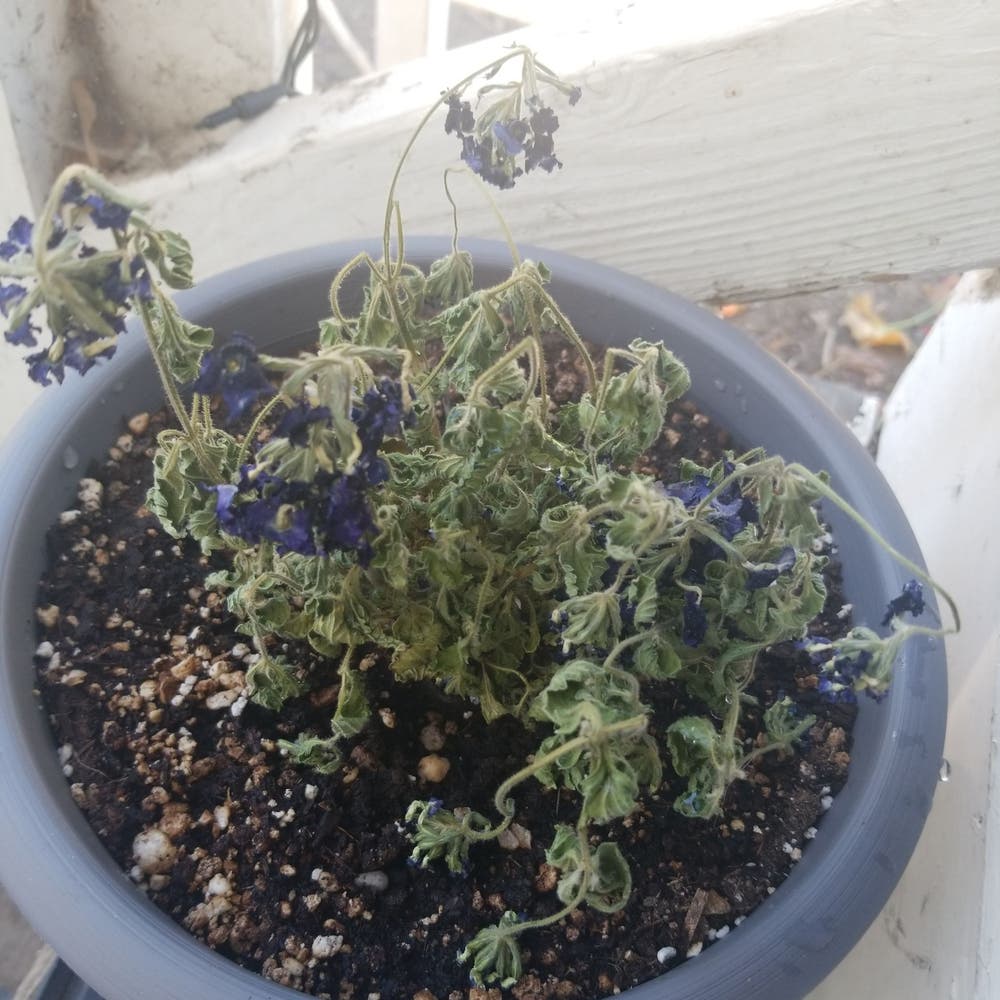
How to Cure Droopy Leaves on Your Creeping Vervain 🍃
Verbena officinalis
By the Greg Editorial Team
Oct 17, 2024•5 min read
This article was created with the help of AI so we can cover more plants for you. May contain errors. See one? Report it here.
- 🌱 Droopy leaves result from overwatering, underwatering, pests, or nutrient deficiencies.
- 💧 Check soil moisture regularly to prevent wilting or root rot in creeping vervain.
- 🌞 Maintain stable temperatures and sunlight for optimal plant health and recovery.
Causes of Droopy Leaves
💧 Overwatering
Overwatering is a common culprit behind droopy leaves. Symptoms include yellowing leaves and root rot, which presents as mushy roots when inspected.
Well-drained soil is crucial for preventing overwatering. Monitor soil moisture levels; it should feel moist but not soggy, and adjust your watering frequency based on environmental conditions.
🚰 Underwatering
Underwatering can also lead to droopy leaves. Look for signs like wilting, curling leaves, and dry, brittle textures.
To combat this, check the soil moisture regularly. Water when the top inch feels dry, and remember to adjust your watering frequency during hotter months.
🥦 Nutrient Deficiencies
Nutrient deficiencies can significantly affect your plant's health. Common issues include nitrogen deficiency, which causes yellowing leaves and stunted growth, and potassium deficiency, leading to browning leaf edges.
Using a balanced NPK fertilizer every 4-6 weeks during the growing season can help maintain nutrient levels and keep your plant thriving.
🐜 Pest Infestations
Pest infestations are another potential cause of droopy leaves. Common pests include aphids, small green insects that can be found on leaves, and spider mites, which leave fine webbing and stippled damage.
Signs of pest damage include leaf discoloration and distortion. To manage pests, consider applying neem oil or insecticidal soap for effective control.
🌡️ Environmental Stress
Environmental stress can also lead to droopy leaves. Creeping vervain prefers temperatures between 20°C to 30°C (68°F to 86°F) and moderate humidity levels.
Signs of stress include droopy leaves in extreme heat or cold and leaf drop in low humidity conditions. Keeping your plant in a stable environment can help prevent these issues.
Understanding these causes is the first step toward reviving your creeping vervain. Next, we’ll explore how to diagnose droopy leaves effectively.
Diagnosing Droopy Leaves
Step-by-Step Diagnosis Process 🌱
Assessing Soil Moisture
Start by checking the soil moisture. Use a moisture meter or simply stick your finger into the soil to gauge dampness.Checking for Pests
Inspect the leaves and stems closely for any visible pests. Look for signs of damage, such as discoloration or webbing.Evaluating Light Conditions
Assess how much sunlight your plant receives. Ideally, it should be in full sun to partial shade, so note any changes in light due to seasonal shifts or nearby plants.
Common Mistakes in Diagnosis ❌
Misidentifying Symptoms
It's easy to confuse droopy leaves with natural wilting during hot weather. Don't overlook signs of nutrient deficiencies that could be contributing to the problem.Ignoring Environmental Factors
Be mindful of recent weather changes that could affect your plant. Also, consider whether your plant is indoors or outdoors, as conditions can vary significantly.
By following these steps and avoiding common pitfalls, you can effectively diagnose the causes of droopy leaves on your creeping vervain. This understanding is crucial for implementing the right treatment strategies, which we will explore next.
Treating Droopy Leaves
Immediate Actions to Take 🌊
Adjusting Watering Schedule
If your creeping vervain is overwatered, cut back on watering and enhance drainage. For underwatered plants, gradually increase watering to help them recover.Improving Drainage
If root rot is suspected, consider repotting your plant in well-draining soil. Adding perlite or sand can also boost soil aeration, promoting healthier roots.Treating Pests
Apply suitable pest control measures right away if you notice any infestations. After treatment, keep an eye out for any signs of re-infestation to ensure your plant stays healthy.
Long-Term Care Strategies 🌱
Fertilization Schedule
Establish a consistent fertilization routine during the growing season. Using slow-release fertilizers can help maintain nutrient levels over time.Optimal Light Conditions
Ensure your plant gets enough sunlight each day. If light conditions are lacking, consider relocating your creeping vervain to a brighter spot.Seasonal Adjustments
Adapt your care practices according to the seasons. Protect your plant from extreme temperatures during winter to keep it thriving.
By implementing these immediate actions and long-term strategies, you can effectively treat and prevent droopy leaves on your creeping vervain. This proactive approach will help ensure your plant remains vibrant and healthy throughout the year.
Preventing Droopy Leaves
Best Practices for Care 🌱
Regular monitoring is crucial for keeping your creeping vervain healthy. Check soil moisture and plant health weekly to catch any early signs of droopiness or distress.
Soil health maintenance is equally important. Regularly amend your soil with organic matter and test the pH to ensure it stays within the ideal range of 6.0 to 7.0.
Proper Potting Techniques 🪴
Use pots with drainage holes to prevent water accumulation, which can lead to root rot. Additionally, choose an appropriate pot size to allow for healthy root growth, ensuring your plant has enough space to thrive.
Seasonal Care Tips ☀️
Adjusting care in different seasons can make a significant difference. Increase watering frequency during hot months to keep your plant hydrated, while reducing watering and protecting it from frost in colder months.
Preparing for temperature changes is also essential. Use mulch to regulate soil temperature and consider moving potted plants indoors during extreme weather events to shield them from harsh conditions.
By implementing these best practices and seasonal tips, you can effectively prevent droopy leaves and promote a thriving creeping vervain. Next, let’s explore how to diagnose droopy leaves effectively.
⚠️ Safety First
This content is for general information and may contain errors, omissions, or outdated details. It is not medical, veterinary advice, or an endorsement of therapeutic claims.
Always consult a qualified healthcare professional before using any plant as food, medicine, or supplement.
Never eat any plant (or feed one to pets) without confirming its identity with at least two trusted sources.
If you suspect poisoning, call Poison Control (800) 222-1222, the Pet Poison Helpline (800) 213-6680, or your local emergency service immediately.
Spotted an error? Please report it here.
Revive your creeping vervain's droopy leaves with proactive care 🌱—let Greg guide you with tailored watering reminders and pest alerts for a thriving plant all year round!