Everything You Need to Know to Grow Creeping Vervain 🦋
Verbena officinalis
By the Greg Editorial Team
Oct 17, 2024•5 min read
This article was created with the help of AI so we can cover more plants for you. May contain errors. See one? Report it here.
- ☀️ Creeping vervain needs 6-8 hours of sunlight for optimal growth.
- 🌱 Well-drained, fertile loam with pH 6.0-7.5 is ideal for planting.
- 💧 Consistent watering prevents root rot; avoid waterlogging for healthy plants.
Site Selection and Soil Preparation
Choosing the Right Location 🌞
Creeping vervain thrives in full sun to partial shade, requiring about 6-8 hours of sunlight daily. Ensure the site has good drainage to prevent waterlogging, which can hinder growth.
Soil Type and Amendments for Optimal Growth 🍽️
The ideal soil for creeping vervain is well-drained, fertile loam. To enhance soil fertility, mix in organic matter like compost, which will provide essential nutrients.
pH Requirements ⚗️
Aim for a soil pH range of 6.0 to 7.5 for optimal growth. You can test your soil pH using a home testing kit or by sending samples to a lab for accurate results.
This foundational knowledge about site selection and soil preparation sets the stage for successful planting techniques. Let's explore how to plant creeping vervain effectively.
Planting Techniques
Best Planting Times 🌱
For the best results, plant creeping vervain in early spring or fall. These seasons provide optimal conditions for growth, allowing the plants to establish themselves before extreme temperatures set in.
Step-by-Step Planting Guide 📝
Follow these simple steps for successful planting:
- Prepare the planting site by clearing away weeds and debris.
- Dig holes spaced 12-18 inches apart to give each plant room to grow.
- Plant seeds or seedlings at a depth of 1/4 inch, ensuring they have enough soil coverage.
- Water thoroughly after planting to help settle the soil around the roots.
Container vs. Outdoor Planting Considerations 🏺
When deciding between container or outdoor planting, consider the following:
Container Growing
- Choose pots with drainage holes to prevent waterlogging.
- Use a high-quality potting mix to provide essential nutrients and good drainage.
Outdoor Planting
- Ensure adequate spacing between plants to allow for their natural spreading habit. This will help prevent overcrowding and promote healthy growth.
With these planting techniques in mind, you’re well on your way to cultivating a thriving patch of creeping vervain. Next, let’s explore how to care for your plants through proper watering and fertilizing practices.
Watering and Fertilizing
💧 Watering Frequency and Techniques
To keep your creeping vervain thriving, maintain a consistent watering schedule. The soil should be moist but never waterlogged, as excess water can lead to root rot.
For effective moisture distribution, consider using a soaker hose or drip irrigation. These methods ensure that water reaches the roots evenly, promoting healthy growth.
🌱 Fertilizer Types and Application Methods
During the growing season, a balanced NPK fertilizer, such as 10-10-10, is recommended. This will provide the essential nutrients your plants need to flourish.
Apply the fertilizer every 4-6 weeks, following the package instructions for the best results. This regular feeding will support robust growth and vibrant blooms.
🚿 Signs of Overwatering or Underwatering
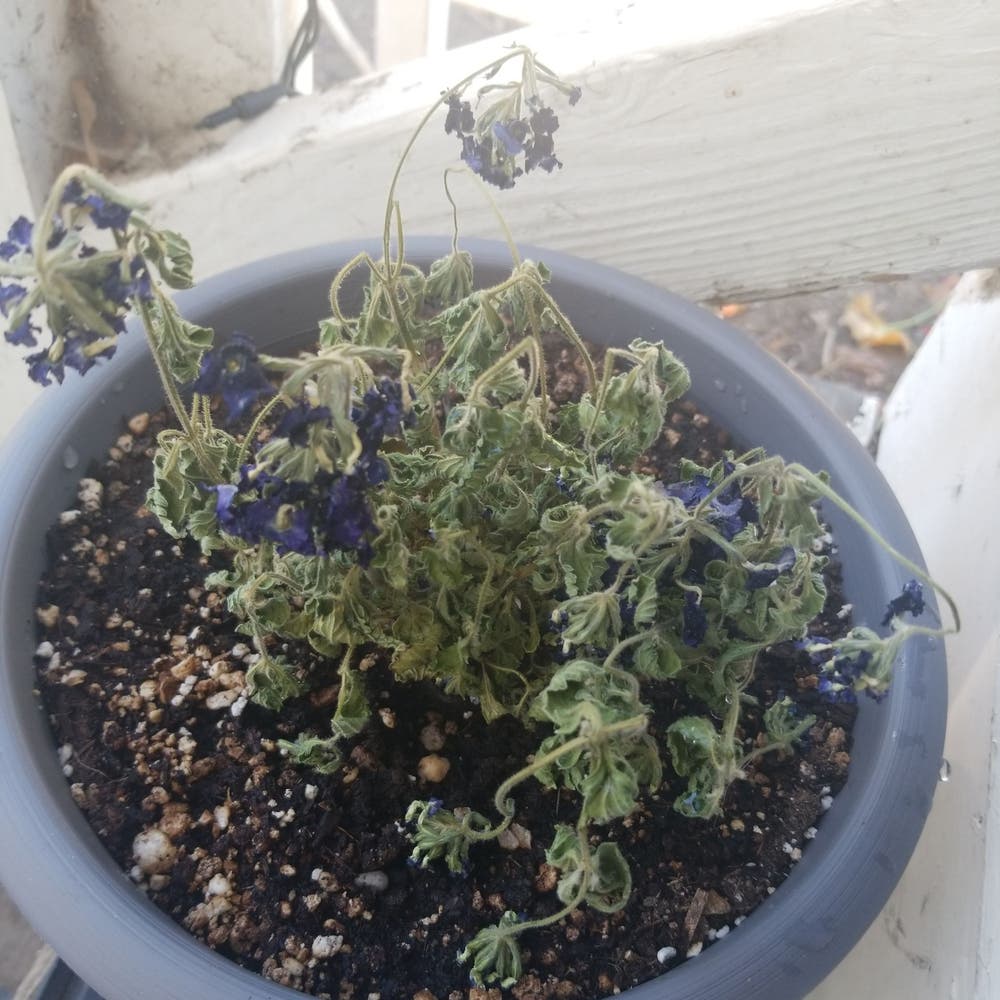
Be vigilant for signs of overwatering, such as yellowing leaves or wilting despite moist soil. These symptoms indicate that your plants may be drowning.
On the flip side, underwatering manifests as dry, crispy leaves and stunted growth. If you notice these signs, adjust your watering practices accordingly to restore your plants' health.
By mastering the art of watering and fertilizing, you'll set your creeping vervain up for success. Next, let’s explore effective pruning and maintenance techniques to keep your plants in top shape.
Pruning and Maintenance
When and How to Prune 🌿
Pruning is essential for keeping your creeping vervain healthy and vibrant. Aim to prune in late spring or early summer, trimming back any leggy growth and removing dead flowers to encourage a bushier appearance.
Ongoing Care Routine 🧹
Incorporate deadheading into your routine by removing spent flowers. This simple act promotes continuous blooming and keeps your plants looking fresh.
Seasonal Care Adjustments ❄️
As winter approaches, prepare your creeping vervain for dormancy. Cut back the plants to ground level in late fall to ensure they are ready for the colder months ahead.
With these pruning and maintenance tips, your creeping vervain will thrive, setting the stage for the next topic on common challenges and solutions.
Common Challenges and Solutions
🐛 Identifying and Managing Pests and Diseases
Creeping vervain can attract a few common pests, including aphids, spider mites, and whiteflies. To manage these nuisances, consider using neem oil or insecticidal soap, and don't hesitate to introduce beneficial insects that can help keep the pest population in check.
🌱 Troubleshooting Growth Issues
If you notice stunted growth in your creeping vervain, it may be time to check for nutrient deficiencies or poor soil conditions. Similarly, if your plants are wilting, assess your watering practices and ensure proper drainage to keep them thriving.
🌿 Tips for Successful Propagation
For those looking to propagate creeping vervain, you have a couple of effective methods at your disposal: seed propagation and division of established plants. The best time for these activities is early spring or fall, ensuring optimal results and a healthy new batch of plants.
As you navigate these challenges, remember that each setback is an opportunity to learn and improve your gardening skills. With a little patience and care, your creeping vervain will flourish beautifully.
⚠️ Safety First
This content is for general information and may contain errors, omissions, or outdated details. It is not medical, veterinary advice, or an endorsement of therapeutic claims.
Always consult a qualified healthcare professional before using any plant as food, medicine, or supplement.
Never eat any plant (or feed one to pets) without confirming its identity with at least two trusted sources.
If you suspect poisoning, call Poison Control (800) 222-1222, the Pet Poison Helpline (800) 213-6680, or your local emergency service immediately.
Spotted an error? Please report it here.
Transform your garden into a blooming paradise 🌼 with Greg's tailored care reminders and expert tips to help your creeping vervain thrive in perfect conditions!