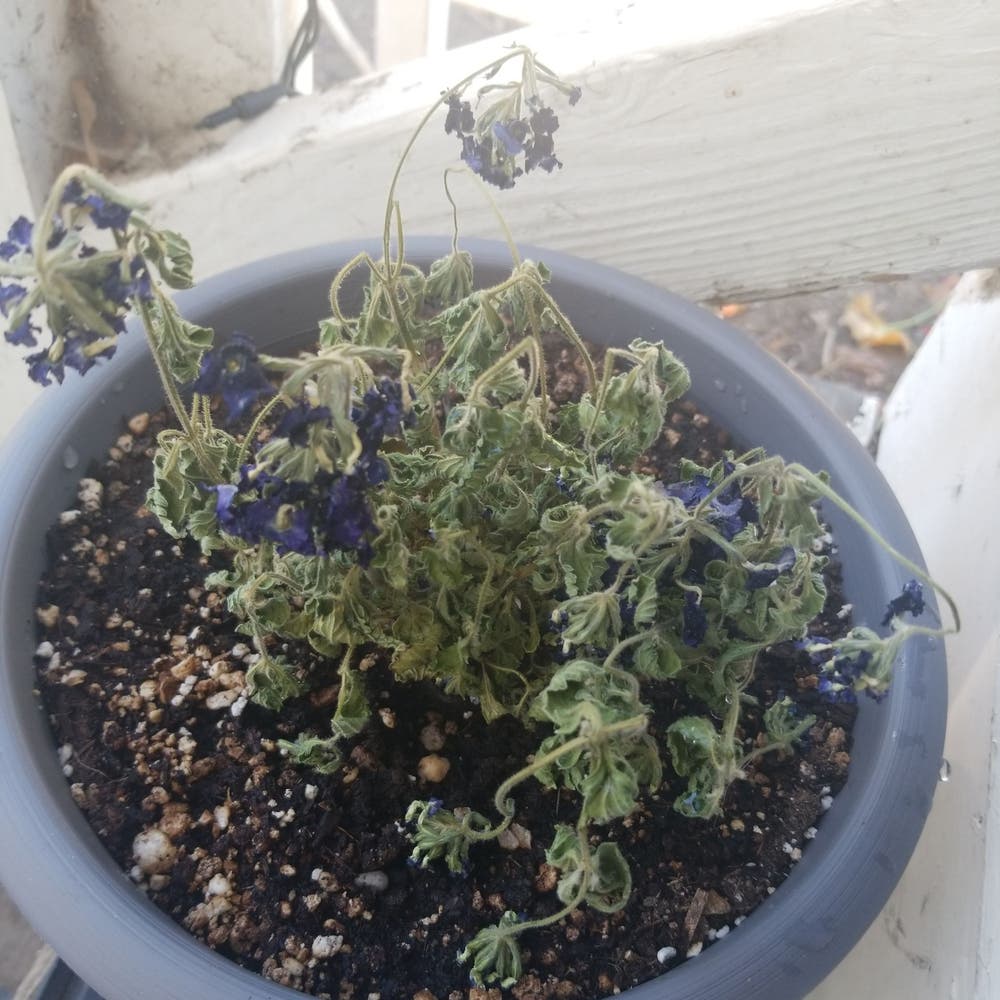
4 Winter Care Mistakes to Avoid with Creeping Vervain ❄️
Verbena officinalis
By the Greg Editorial Team
Oct 17, 2024•5 min read
This article was created with the help of AI so we can cover more plants for you. May contain errors. See one? Report it here.
- ❄️ Frost protection is crucial to prevent wilting and death of Creeping Vervain.
- 💧 Overwatering during dormancy leads to root rot; water every 2-4 weeks.
- 🌱 Pre-winter fertilization boosts spring growth; use slow-release fertilizers 4-6 weeks before frost.
Winter Care Mistakes to Avoid
Mistake 1: Neglecting Frost Protection ❄️
Frost protection is crucial for Creeping Vervain, especially during the cold months. Without it, plants can suffer from wilting, browning, and even death.
Mistake 2: Overwatering During Dormancy 🚫💧
Overwatering during dormancy can lead to root rot and weaken your plant's health. Look for signs like yellowing leaves and mushy stems to catch this mistake early.
Mistake 3: Inadequate Fertilization Before Winter 🍂
Pre-winter fertilization is essential to strengthen your plants for the harsh winter ahead. Neglecting this can result in poor spring growth and increased vulnerability to winter damage.
Mistake 4: Failing to Prepare for Spring Recovery 🌱
Preparing for spring recovery is vital for ensuring healthy regrowth. Watch for common signs of winter damage, such as wilting or stunted growth, to know when to take action.
By avoiding these winter care mistakes, you can help your Creeping Vervain thrive through the cold months and emerge strong in spring. Next, let’s explore effective frost protection techniques to safeguard your plants.
Frost Protection Techniques
❄️ Methods for Protecting from Frost
Frost can be a sneaky enemy for your Creeping Vervain. Covering your plants with frost cloth or burlap provides essential insulation, helping them withstand chilly nights.
For added protection, consider using cloches or cold frames. These methods create a mini-greenhouse effect, trapping warmth and shielding your plants from harsh conditions.
🌿 Using Mulch and Covers Effectively
Mulch is your best friend when it comes to frost protection. Straw, wood chips, or leaves can effectively insulate the soil, keeping it warmer for your plants.
To maximize benefits, layer mulch around the base of your Creeping Vervain. This technique not only retains warmth but also helps maintain soil moisture, giving your plants a fighting chance against winter's chill.
With these frost protection techniques, your Creeping Vervain will be better equipped to face the winter months. Next, let's explore how to adjust watering schedules during this dormant season.
Watering and Fertilizing Adjustments
🌨️ How to Adjust Watering Schedules in Winter
During the winter dormancy period, it's crucial to adjust your watering schedule. Aim to water your Creeping Vervain once every 2 to 4 weeks to prevent overwatering.
Keep an eye on soil moisture levels and plant health indicators. If the soil feels dry to the touch, it’s time to water. Conversely, if the soil remains damp, hold off to avoid root rot.
🍂 Best Practices for Fertilizing Before Winter Dormancy
Fertilization before winter is essential for a healthy spring. Opt for slow-release or organic fertilizers to provide your plants with the nutrients they need.
Timing is key; fertilize 4 to 6 weeks before the first expected frost. This will help strengthen your Creeping Vervain, ensuring it can withstand the cold and thrive when spring arrives.
With proper watering and fertilization adjustments, your plants will be better equipped to handle winter's challenges. Next, let's explore effective frost protection techniques to safeguard your Creeping Vervain.
Indoor Winter Care
When to Bring Indoors 🌨️
As winter approaches, it's crucial to recognize the signs that indicate it's time to move your Creeping Vervain indoors. Dropping temperatures and frost warnings are clear signals that your plants need protection from the cold.
Once indoors, aim for ideal conditions: bright, indirect light and moderate humidity. This environment helps your plants thrive during the chilly months.
Indoor Care Tips for Maintaining Health During Winter ❄️
Adjusting your watering routine is essential for keeping your plants healthy. Allow the top inch of soil to dry out before watering to prevent over-saturation.
Additionally, keep an eye out for pests. Regular inspections for aphids or spider mites can save your plants from potential infestations.
By following these indoor care tips, you can ensure your Creeping Vervain remains vibrant and ready for spring. Transitioning to the next section, let’s explore how to prepare for spring recovery and identify signs of winter damage.
Spring Preparation and Recovery
🌨️ Signs of Winter Damage
As winter fades, it's crucial to identify any damage your Creeping Vervain may have sustained. Look for wilting, browning leaves, and stunted growth, which are clear indicators that your plant needs attention.
To assess the extent of the damage, check the root health and overall vigor of the plant. Healthy roots should be firm and white, while damaged roots may appear dark and mushy.
🌱 Steps for Recovery and Rejuvenation in Spring
- Pruning damaged foliage: Start by cutting back any dead or damaged leaves to encourage healthy growth.
- Fertilizing to promote new growth: Apply a balanced fertilizer to give your plant the nutrients it needs to bounce back.
- Watering schedule adjustments: Gradually increase your watering frequency as temperatures rise, ensuring the soil remains moist but not waterlogged.
By following these steps, you can help your Creeping Vervain recover and thrive as spring unfolds. Preparing for the growing season not only revitalizes your plants but also sets the stage for a vibrant garden ahead.
⚠️ Safety First
This content is for general information and may contain errors, omissions, or outdated details. It is not medical, veterinary advice, or an endorsement of therapeutic claims.
Always consult a qualified healthcare professional before using any plant as food, medicine, or supplement.
Never eat any plant (or feed one to pets) without confirming its identity with at least two trusted sources.
If you suspect poisoning, call Poison Control (800) 222-1222, the Pet Poison Helpline (800) 213-6680, or your local emergency service immediately.
Spotted an error? Please report it here.
Keep your Creeping Vervain thriving this winter ❄️ by using Greg's personalized care tips and reminders to avoid common mistakes and set the stage for a vibrant spring!