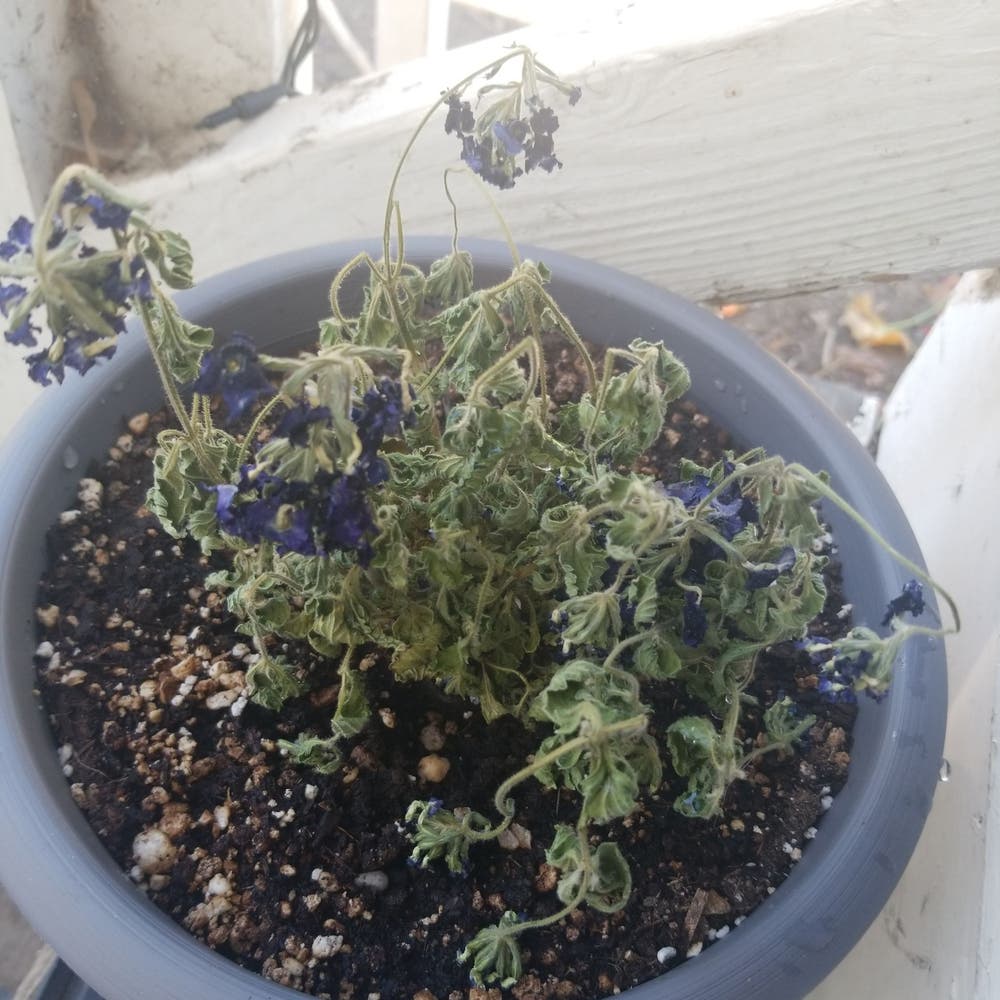
What to Do if Your Creeping Vervain Won't Flower 🌸
Verbena officinalis
By the Greg Editorial Team
Oct 17, 2024•2 min read
This article was created with the help of AI so we can cover more plants for you. May contain errors. See one? Report it here.
- 🌡️💧 Environmental stress like temperature and moisture affects creeping vervain's flowering.
- 🌱 Nutritional deficiencies in nitrogen, phosphorus, and potassium hinder blooms.
- 🐛 Pest management and consistent care are vital for vibrant flowers.
Flowering Problems in Creeping Vervain
🌱 Common Causes of Flowering Failure
Environmental Stress
Creeping vervain can struggle to flower due to environmental stress. Factors like extreme temperatures, drought, or excessive moisture can lead to stunted growth and a lack of blooms.
Nutritional Deficiencies
Nutritional deficiencies also play a significant role in flowering failure. Key nutrients such as nitrogen, phosphorus, and potassium are essential; signs of deficiency include yellowing leaves and poor growth.
Soil Conditions
Soil conditions are crucial for healthy flowering. Well-draining soil prevents root rot and promotes growth, while maintaining a soil pH between 6.0 and 7.0 ensures optimal nutrient uptake.
🌼 Solutions for Premature Flower Drop
Identifying Causes
To tackle premature flower drop, first identify the causes. Environmental triggers like sudden temperature changes and high humidity can be problematic, as can nutritional imbalances from over-fertilization or lack of essential nutrients.
Mitigation Strategies
- Adjust watering practices: Ensure consistent moisture without waterlogging.
- Fertilization adjustments: Use a balanced fertilizer during the growing season.
- Monitoring environmental conditions: Implement shade cloths or windbreaks as needed.
🌸 Addressing Abnormal Flower Development
Common Abnormalities
Abnormal flower development can manifest as deformed flowers, reduced size, or color changes. These issues may arise from pest infestations or nutrient imbalances.
Corrective Measures
- Regular inspection for pests: Look for aphids or other common pests.
- Nutrient supplementation: Apply a bloom-boosting fertilizer.
- Environmental adjustments: Ensure adequate light and moisture levels.
✂️ Pruning Techniques to Encourage Blooming
Best Practices
Pruning is an effective way to encourage blooming. Techniques like deadheading spent flowers can promote new blooms, and it's best to prune after the first bloom cycle.
Timing of Pruning for Best Results
Timing is key for effective pruning. The ideal times are early spring and after the first bloom cycle; improper timing can lead to reduced flowering and increased plant stress.
🐛 Pest and Disease Management
Common Pests Affecting Flowering
Pests can significantly impact flowering. Signs of infestation include curling leaves and sticky residue, which can be managed with neem oil or insecticidal soap.
Diseases That Cause Flowering Issues
Diseases may also hinder flowering, with symptoms like white, powdery spots on leaves. Prevention strategies include ensuring good air circulation and avoiding overhead watering.
Understanding these factors can help you nurture your creeping vervain back to its blooming glory. Next, let's explore effective pruning techniques to further enhance your plant's flowering potential.
⚠️ Safety First
This content is for general information and may contain errors, omissions, or outdated details. It is not medical, veterinary advice, or an endorsement of therapeutic claims.
Always consult a qualified healthcare professional before using any plant as food, medicine, or supplement.
Never eat any plant (or feed one to pets) without confirming its identity with at least two trusted sources.
If you suspect poisoning, call Poison Control (800) 222-1222, the Pet Poison Helpline (800) 213-6680, or your local emergency service immediately.
Spotted an error? Please report it here.
Revive your creeping vervain's blooming potential 🌸 by using Greg's tailored care reminders and fertilization tips to tackle environmental and nutritional challenges!