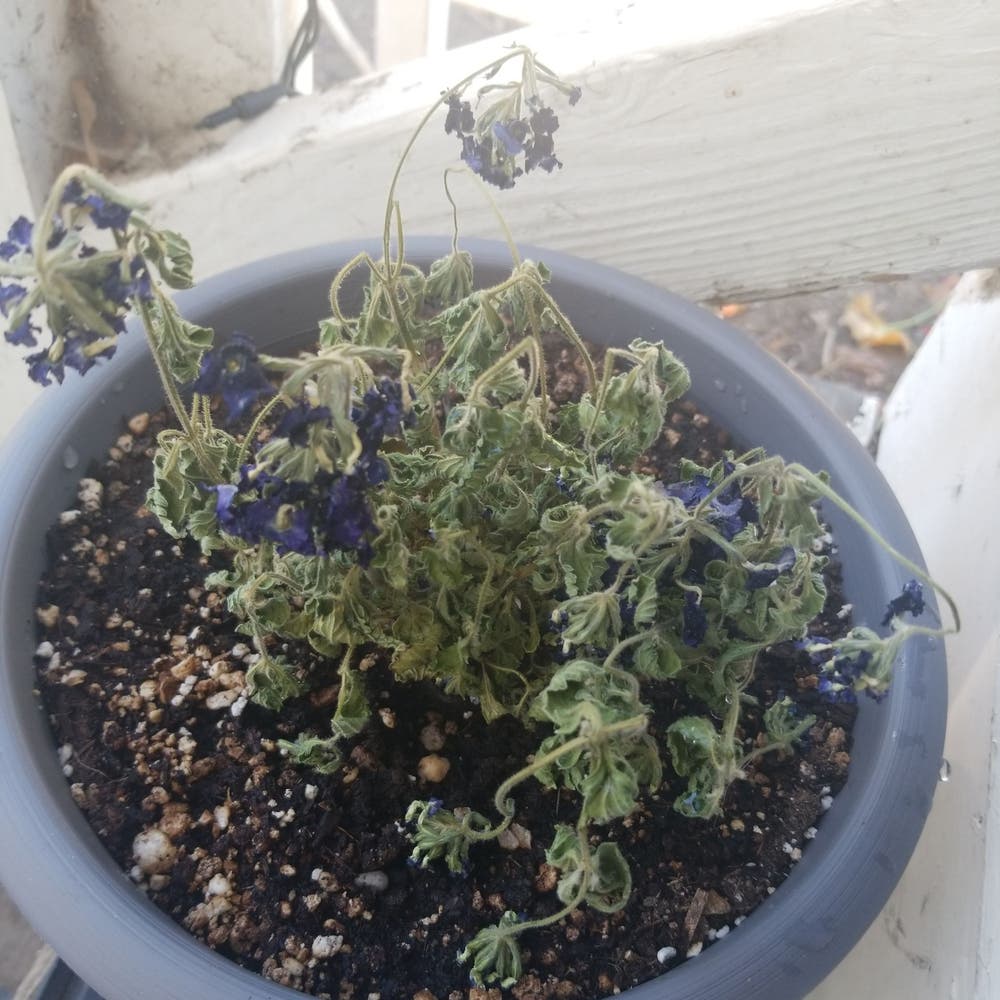
🌸 4 Tips for Pollinating Creeping Vervain
Verbena officinalis
By the Greg Editorial Team
Oct 17, 2024•5 min read
This article was created with the help of AI so we can cover more plants for you. May contain errors. See one? Report it here.
- 🌸 Creeping Vervain attracts bees, butterflies, and hummingbirds with its vibrant flowers.
- 🌱 Self-pollination ensures survival in low pollinator environments, enhancing genetic diversity.
- 🐝 Creating a pollinator-friendly garden boosts pollination success and supports ecosystem health.
Flower Structure
Description 🌸
Creeping Vervain features small, tubular flowers that cluster densely together. Their vibrant purple or blue hues are a magnet for various pollinators.
The flowers grow in spikes, which enhances their visibility, making it easier for pollinators to find them. This arrangement not only attracts attention but also maximizes pollination opportunities.
Role in Pollination 🐝
The structure of Creeping Vervain's flowers facilitates self-pollination. The close proximity of stamens and pistils allows pollen to transfer easily within the same flower.
However, the design also promotes cross-pollination. By attracting pollinators, the plant enhances genetic diversity, which is crucial for its adaptability and resilience.
This dual capability ensures that Creeping Vervain can thrive in various environments, whether pollinators are abundant or scarce. Understanding this balance is key to appreciating the plant's ecological role.
With a solid grasp of flower structure, we can now explore the fascinating pollination process that follows.
Pollination Process
Self-Pollination Mechanism 🌱
Creeping Vervain has a fascinating ability to self-pollinate. This occurs when the stamens and pistils are in close proximity, allowing pollen transfer without the need for external pollinators.
Self-pollination is particularly beneficial in low-pollinator environments. It ensures that the plant can reproduce even when pollinator populations are scarce, enhancing its survival chances.
Primary Pollinators 🐝
Bees are the primary pollinators of Creeping Vervain. They visit the flowers to collect nectar and, in the process, transfer pollen from one bloom to another, facilitating cross-pollination.
Butterflies are also attracted to these vibrant flowers. Their delicate landing and feeding habits contribute significantly to the pollination process, helping to ensure genetic diversity.
Hummingbirds play a unique role as well. Drawn to the tubular shape of the flowers, they hover and feed, effectively transferring pollen while they sip nectar.
Attraction Mechanisms 🌼
Nectar production is a key factor in attracting pollinators. The sweet reward encourages bees, butterflies, and hummingbirds to visit, ensuring the plant's reproductive success.
Visual cues are equally important. The bright colors and clustered arrangement of Creeping Vervain flowers make them highly visible, drawing in specific pollinator species that are essential for effective pollination.
This intricate dance between plant and pollinator highlights the beauty of nature's design, ensuring that Creeping Vervain thrives in its environment.
As we explore hand pollination next, we’ll delve into how you can assist these plants in their reproductive journey.
Hand Pollination
Step-by-Step Instructions
Identify Male and Female Flower Parts
To successfully hand pollinate Creeping Vervain, start by identifying the male and female flower parts. The stamens, which produce pollen, are typically slender and protrude from the flower, while the pistils, which receive pollen, are located at the center.Collecting Pollen
Once you've identified the male flowers, gently tap or brush the stamens to collect pollen. You can use a small brush or your fingertip to gather the fine yellow grains, ensuring you have enough for effective transfer.Transferring Pollen
Next, apply the collected pollen to the stigma of the female flowers. Lightly dust the stigma with the pollen, ensuring good contact for successful fertilization.
⏰ Timing for Hand Pollination
The best time for hand pollination is during the early morning when flowers are fully open and temperatures are cooler. This is when the flowers are most receptive, and the pollen is fresh, increasing your chances of success. Aim for dry, sunny days, as humidity can hinder pollen transfer.
By following these steps, you can enhance the pollination success of your Creeping Vervain, ensuring a thriving garden. Now, let’s explore how to create a pollinator-friendly environment to support these beautiful plants!
Supporting Pollinators
🌼 Creating a Pollinator-Friendly Environment
To support pollinators effectively, start by embracing plant diversity. A variety of flowers not only beautifies your garden but also attracts different pollinator species, ensuring a thriving ecosystem.
Additionally, consider creating habitats for these vital creatures. Nesting sites and water sources can significantly enhance their chances of survival and encourage them to visit your garden more frequently.
🌱 Companion Plants
Companion planting is a fantastic way to boost pollinator activity. Here are some plants that pair well with Creeping Vervain:
- Lavender: Its fragrant blooms attract bees and butterflies, enhancing pollination.
- Coneflower: This hardy flower is a magnet for various pollinators, providing essential nectar.
- Black-eyed Susan: Known for its bright petals, it draws in bees and other beneficial insects.
By incorporating these companion plants, you create a vibrant habitat that supports not just Creeping Vervain but a wide range of pollinators.
As you cultivate this environment, remember that every small effort counts in the fight to protect our pollinators. Next, let’s explore the challenges they face and how we can help mitigate these obstacles.
Pollination Challenges
Common Obstacles 🐝
Pollination success can be significantly affected by environmental factors. Temperature fluctuations, high humidity, and unpredictable weather conditions can deter pollinators from visiting flowers.
Another pressing issue is the decline in pollinator populations. Factors like habitat loss and pesticide use have led to fewer bees, butterflies, and hummingbirds, which are crucial for effective pollination.
Solutions 🌼
To enhance pollinator presence, consider planting a diverse range of flowers. This variety attracts different species, ensuring that at least some will thrive in your garden.
Adjusting care practices can also make a difference. Modifying your watering and fertilization routines can create healthier conditions that support pollination, making your garden a welcoming haven for these essential creatures.
By addressing these challenges, you can foster a thriving ecosystem that benefits both your plants and the pollinators they rely on.
⚠️ Safety First
This content is for general information and may contain errors, omissions, or outdated details. It is not medical, veterinary advice, or an endorsement of therapeutic claims.
Always consult a qualified healthcare professional before using any plant as food, medicine, or supplement.
Never eat any plant (or feed one to pets) without confirming its identity with at least two trusted sources.
If you suspect poisoning, call Poison Control (800) 222-1222, the Pet Poison Helpline (800) 213-6680, or your local emergency service immediately.
Spotted an error? Please report it here.
Boost your Creeping Vervain's pollination success 🌸 by using Greg's personalized care tips to create a thriving habitat for its pollinators and ensure your garden flourishes!