Best Potting Soil Mix for Creeping Vervain
Verbena officinalis
By the Greg Editorial Team
Oct 17, 2024•4 min read
This article was created with the help of AI so we can cover more plants for you. May contain errors. See one? Report it here.
- 🌱 Healthy soil is crucial for thriving creeping vervain; recognize signs of distress.
- 🧪 Soil testing kits help assess nutrient levels and pH for optimal growth.
- 🌿 A balanced mix of peat moss, perlite, and compost supports creeping vervain health.
Identifying Unhealthy Soil
Signs of Unhealthy Soil 🌱
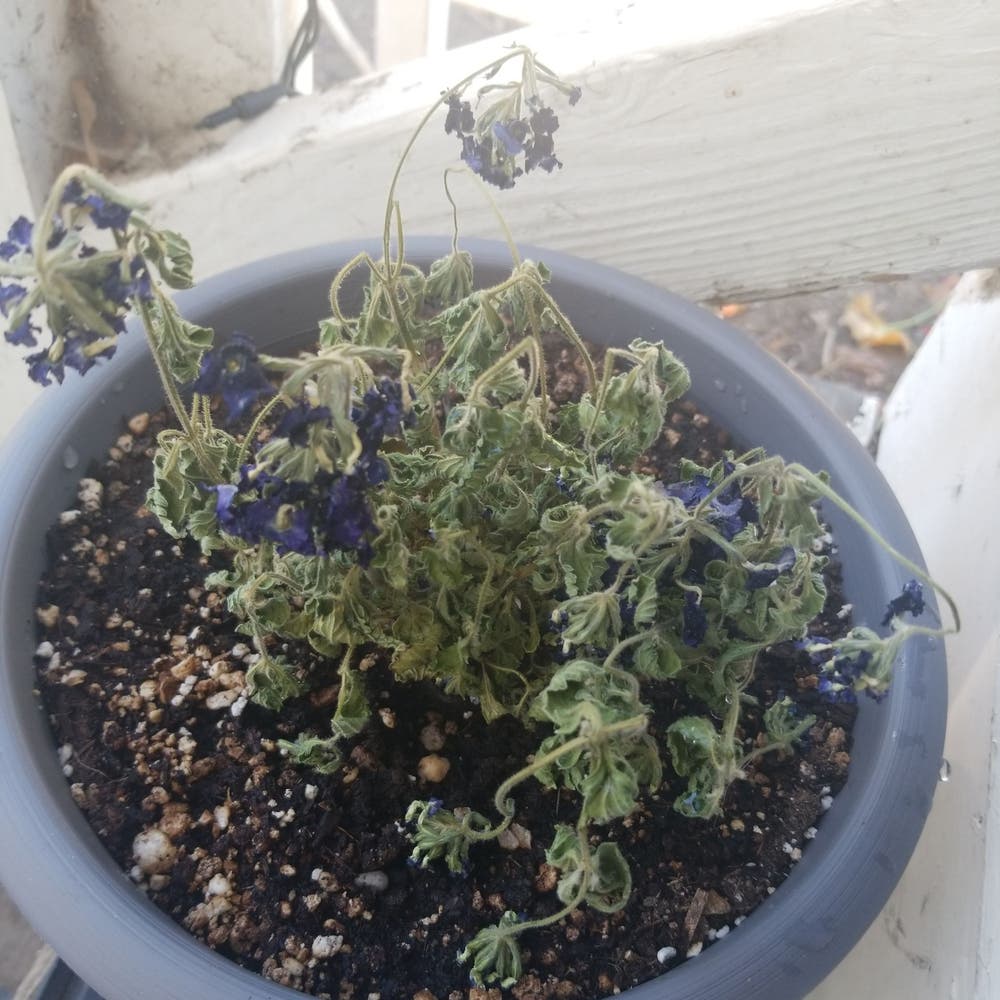
Recognizing unhealthy soil is crucial for the health of your creeping vervain. Moldy soil is a common issue; if you spot fuzzy patches, it indicates excess moisture and poor air circulation, which can harm plant roots.
Compaction is another red flag. If the soil feels hard and dense, it restricts root growth and water absorption, leading to stressed plants.
Nutrient deficiency often shows up as yellowing leaves or stunted growth. These symptoms suggest your plants aren’t getting the nutrients they need to thrive.
How to Test Soil Health 🔬
Testing soil health is straightforward and can save your plants. Soil testing kits are widely available and can help you assess nutrient levels and pH.
A visual inspection is also effective; check the soil texture and moisture. If it looks dry or overly wet, adjustments are needed.
Don’t overlook the smell test. Foul odors can indicate unhealthy conditions, signaling that something is off in your soil.
Solutions for Moldy or Compacted Soil 🛠️
If you discover moldy soil, act quickly. Removing mold involves improving air circulation; consider repotting or using a fan to dry out the area.
For compaction, techniques like tilling can help loosen the soil. Aerating allows roots to breathe and absorb nutrients more effectively.
Sometimes, the best solution is to replace unhealthy soil entirely. If the problems persist, repotting with fresh soil can rejuvenate your plants and set them on a healthier path.
By identifying and addressing these soil issues, you can create a thriving environment for your creeping vervain. Next, let’s explore how to create a homemade soil mix that meets your plant's needs.
Creating a Homemade Soil Mix
🥗 Ingredients for an Ideal Homemade Soil Mix
Creating the perfect potting soil mix for your creeping vervain starts with the right ingredients. A balanced blend of peat moss, perlite, and compost forms the foundation, providing essential aeration and nutrients.
For added nutrition, consider incorporating organic fertilizers like bone meal or fish emulsion. These nutrient sources will help your plants thrive and flourish.
If you're looking to enhance moisture retention, coconut coir is an excellent optional additive. It helps keep the soil moist without becoming waterlogged.
🛠️ Step-by-Step Guide to Mixing Soil
- Gather materials: Collect all necessary ingredients and tools, including a mixing container and a trowel.
- Mixing ratios: Aim for a ratio of 2 parts peat moss, 1 part perlite, and 1 part compost. Adjust based on your specific needs.
- Combining ingredients: Thoroughly mix the components in your container, ensuring even distribution for optimal results.
🌱 Tips for Adjusting Soil Texture and Nutrients
To achieve the ideal soil texture, consider adding sand for improved drainage or clay for enhanced moisture retention. These adjustments can make a significant difference in your plants' health.
For nutrient enhancement, incorporate slow-release fertilizers into your mix. This will provide a steady supply of nutrients over time.
Lastly, regularly assess the effectiveness of your soil mix. Testing and tweaking your blend will ensure your creeping vervain receives the best possible growing conditions.
With your homemade soil mix ready, you're one step closer to nurturing vibrant and healthy creeping vervain. Next, let’s explore the soil pH requirements to ensure your plants thrive even more!
Soil pH Requirements
Recommended Soil pH Levels 🌱
Maintaining the right soil pH is crucial for the health of your creeping vervain. The ideal pH range is between 6.0 and 7.0, which allows for optimal nutrient uptake.
Testing Soil pH 🔍
To determine your soil's pH, you can use pH test kits or strips. These tools are straightforward and provide quick results, helping you understand your soil's acidity or alkalinity.
Adjusting pH ⚖️
If your soil's pH is outside the ideal range, don't worry—there are simple methods to adjust it. To increase acidity, you can add sulfur or peat moss; to decrease acidity, consider adding lime or wood ash.
Understanding and managing soil pH is essential for nurturing your plants effectively. With the right adjustments, your creeping vervain will thrive, setting the stage for a lush garden.
⚠️ Safety First
This content is for general information and may contain errors, omissions, or outdated details. It is not medical, veterinary advice, or an endorsement of therapeutic claims.
Always consult a qualified healthcare professional before using any plant as food, medicine, or supplement.
Never eat any plant (or feed one to pets) without confirming its identity with at least two trusted sources.
If you suspect poisoning, call Poison Control (800) 222-1222, the Pet Poison Helpline (800) 213-6680, or your local emergency service immediately.
Spotted an error? Please report it here.
Unlock the secret to thriving creeping vervain 🌿 by using Greg's soil testing tools and tailored care tips to create the perfect potting mix for your plants!