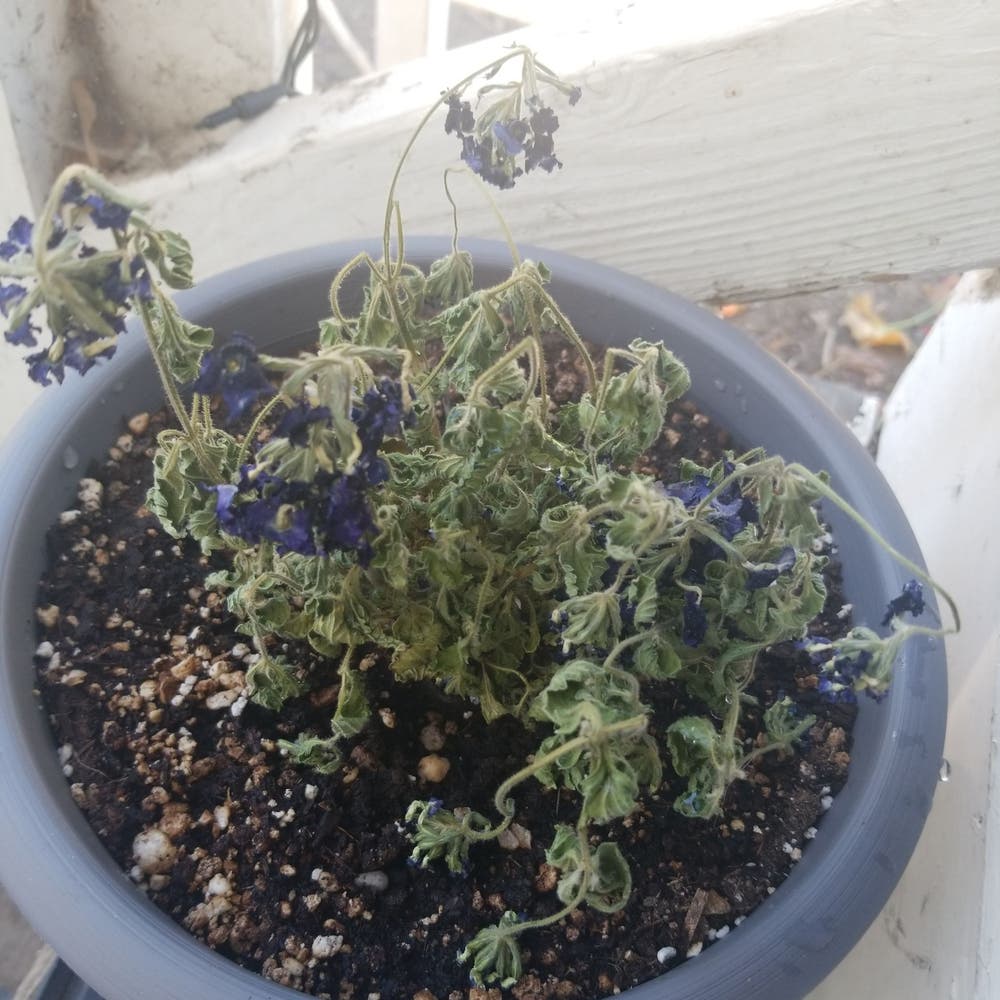
When and How to Repot Creeping Vervain 🪴
Verbena officinalis
By the Greg Editorial Team
Oct 17, 2024•5 min read
This article was created with the help of AI so we can cover more plants for you. May contain errors. See one? Report it here.
- 🌱 Repot when roots grow out of drainage holes or tightly circle the pot.
- ⏰ Best time to repot is early spring, just before new growth starts.
- 🧪 Inspect roots for health; white roots are healthy, brown indicates issues.
Signs That Indicate It's Time to Repot
🌱 Root Bound Indicators
Recognizing when your creeping vervain needs repotting is crucial for its health. One clear sign is when roots start growing out of the drainage holes.
Another indicator is roots that are tightly circling around the root ball. If you notice stunted growth despite giving your plant proper care, it’s time to take action.
Yellowing leaves or wilting can also signal stress, indicating that your plant is ready for a new home.
⏰ Timing for Repotting
The best time to repot creeping vervain is early spring, just before new growth begins. This timing allows the plant to adjust and thrive in its new environment.
As for frequency, aim to repot every 1-2 years. This depends on the growth rate and size of the container, so keep an eye on your plant's needs.
By staying alert to these signs and timing, you can ensure your creeping vervain remains healthy and vibrant. Next, let’s explore how to assess root health before diving into the repotting process.
How to Assess Root Health Before Repotting
Checking Root Condition 🌱
Before repotting your creeping vervain, it's crucial to assess the root system. Gently remove the plant from its pot, taking care not to damage the roots.
Inspect the roots closely. Healthy roots should be white and firm, while brown, mushy roots indicate trouble.
Signs of Root Health Issues ⚠️
One major issue to look for is root rot. If you see dark, slimy roots, your plant may be suffering from overwatering.
Another concern is underdeveloped roots. A sparse root system can suggest nutrient deficiency, which could hinder your plant's growth.
By carefully checking the root health, you can ensure your creeping vervain is ready for a new home. This step sets the stage for a successful repotting experience, leading to a thriving plant.
Next, let’s dive into the step-by-step guide for repotting your creeping vervain effectively.
Pot Material Options
Choosing the right pot material is crucial for the health of your creeping vervain. Each option has its own set of advantages and disadvantages.
🌱 Best Materials for Pots
Terracotta
Terracotta pots are a favorite among gardeners for their excellent breathability. They help control moisture levels, but be cautious; they can dry out quickly and may crack in extreme temperatures.
Plastic
Plastic pots are lightweight and great for retaining moisture. However, they are less breathable, which can lead to root rot if drainage isn't adequate.
Ceramic
Ceramic pots offer aesthetic appeal and good insulation for roots. On the downside, they tend to be heavy, can be pricey, and may lack drainage holes.
🚰 Importance of Drainage in Pot Selection
Regardless of the material, ensuring proper drainage is essential to prevent root rot. Always check for adequate drainage holes, and consider pots with built-in drainage systems for optimal plant health.
With the right pot material and drainage in mind, you're well on your way to creating a thriving environment for your creeping vervain. Next, let’s explore the best potting soil options to complement your choice of pot.
Potting Soil Considerations
Recommended Soil Types for Optimal Growth 🌱
For your creeping vervain, a well-draining potting mix enriched with organic matter is essential. Aim for a slightly acidic to neutral pH, ideally between 6.0 and 7.0, to support healthy growth.
How to Create a Suitable Potting Mix 🧪
Creating your own potting mix is straightforward. Combine equal parts of potting soil, perlite, and compost for a balanced blend.
To enhance drainage, add a handful of sand; this will help prevent water retention that can lead to root rot.
Importance of Soil Drainage and Aeration 💧
Good drainage is crucial for preventing waterlogging, which can suffocate roots and cause rot.
Aeration is equally important; it promotes healthy root development and ensures that your plant can effectively absorb nutrients.
With the right soil mix, your creeping vervain will thrive, setting the stage for successful repotting. Next, let’s explore common mistakes to avoid during the repotting process.
Common Repotting Mistakes to Avoid
🌱 Overpotting vs. Underpotting
Choosing the right pot size is crucial for your creeping vervain's health. Overpotting, or selecting a pot that's too large, can lead to excess moisture retention, which may cause root rot.
On the flip side, underpotting can restrict root growth. A pot that's too small can stress your plant, leading to stunted growth and other issues.
🚰 Ignoring Drainage Needs
Proper drainage is non-negotiable when repotting. Failing to ensure adequate drainage can quickly result in root rot, a common pitfall for many plant enthusiasts.
Always check the drainage holes before repotting. This simple step can save your plant from a lot of unnecessary stress.
🧐 Not Checking Root Health Before Repotting
Inspecting the roots before repotting is essential for a successful transition. Skipping this step can mean transferring unhealthy roots into a new pot, which can hinder your plant's growth.
Always assess root health to ensure your creeping vervain has the best chance to thrive in its new home. A little diligence here goes a long way in promoting a healthy plant.
By avoiding these common mistakes, you set your creeping vervain up for success. Next, let’s explore the various pot material options that can enhance your plant's growth.
⚠️ Safety First
This content is for general information and may contain errors, omissions, or outdated details. It is not medical, veterinary advice, or an endorsement of therapeutic claims.
Always consult a qualified healthcare professional before using any plant as food, medicine, or supplement.
Never eat any plant (or feed one to pets) without confirming its identity with at least two trusted sources.
If you suspect poisoning, call Poison Control (800) 222-1222, the Pet Poison Helpline (800) 213-6680, or your local emergency service immediately.
Spotted an error? Please report it here.
Repot your creeping vervain like a pro 🌱 by using Greg's tailored reminders and expert tips to keep your plant thriving in its new home!