


Vase Plant
Also known as
Mini Neo's
Taxonomy

Neoregelia lilliputiana
Neoregelia
Bromeliaceae
Poales

How to care for Vase Plant
How often to water your Vase Plant

every 12
Vase Plant needs 0.5 cups of water every 12 when it doesn’t get direct sunlight and is potted in a 5" pot.
Use our water calculator to personalize watering recommendations to your environment or download Greg for more advanced recommendations for all of your plants.

Water 0.5 cups every
12
Finding light for Vase Plant in your home

a window
Vase Plant may have difficulty thriving, and will drop leaves 🍃, without ample sunlight.
Place it less than 3 feet from a south-facing window to maximize the potential for growth.
Select your region to see how the current weather in your area affects the placement of Vase Plant in your home 🏡.
How to fertilize Vase Plant

Most potting soils come with ample nutrients which plants use to produce new growth.
By the time your plant has depleted the nutrients in its soil it’s likely grown enough to need a larger pot anyway.
To replenish this plant's nutrients, repot your Vase Plant after it doubles in size or once a year—whichever comes first.
-
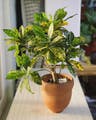
Where did the pink go?? Hi Everyone Ive had this girl for a few months and ive been noticing that her punk leaves are disappearing.. How do i bring them back #Dracaena
-
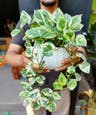
Why are the ends “burnt”? Not sure what I am doing wrong… every leaf has a dead burnt looking end. Does it need more water?
-
T looks like it is dying please help #Neoregelia
-
When my real love of all things plants and gardening began, I fought my environment by trying to force plants that just weren’t suited for my *very hot*, *very humid* northeast Florida subtropical (mostly dappled shade) garden. Once I embraced where I lived and finally opened my eyes to the never ending list of absolutely gorgeous plants that thrive here, gardening became more fun and rewarding. #HappyGardening #Neoregelia Blushing Bromeliad #Begonia Brazilian Plume #Justicia carnea Begonia #Stromanthe Triostar
-
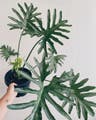
I’m not sure if this is a Moses-in-the -Candle, the leaves are 3” to 4” wide. Any suggestions for what type of plant this is? #MosesInTheCradle
-
Dying Hi friends! New plant mom here. I've had this bromeliad all summer and it did great. But just recently started loosing the pink color and started looking like this. They are so beautiful, I want to try to keep it if I can. Please tell me what to do! 🥺😁🙏
-
Advice for Bromeliad My bromeliad has looked like this for weeks. She looks like she’s about to bloom, but she never progresses anymore than she is now. Ideas? #TropicalPlants #PlantsMakePeopleHappy #HappyPlants #PlantTherapy #Bromeliad
-
Yellowing on bromeliad. Any thoughts? Watering weekly. Planted in a mixed soil, fairly quick draining. Not over watering. Sits in NE facing window.
-
I watered my neoregelia Freddy before I left for vacation and got back to her being soggy in the middle where the blooms are. Is this normal or did I hurt my plant with too much water?
-
What am I? Bought at local nursery with no label. 🏷️ 🧐 Thanks everyone. #identify #PlantInfo


Care Summary for Vase Plant

Vase Plant
 Greg recommends:
 Water
Water
0.5 cups every 12 days
 Placement
< 3ft from a window
 Nutrients
Repot after 2x growth
Based on the 4” pot your plant is in, and that it doesn’t get direct sunlight.
 Trending in your area











 Similar to Vase Plant
✨ Discover rare plants

Christmas Candle

Cleistocactus icosago…

Raphionacme flanaganii

Betel

Pine Cone Plant

Sedum 'White Diamond'

Anthurium Fingers

Large Leaf Elephant B…

Scindapsus pictus 'Si…

Hoya 'Millie'

Crassula 'Purple Drag…

Echeveria Esther

Aglaonema Spitfire

Begonia hydrocotylifo…

Hoya fitchii
Hoya crassipetiolata
Linnaei Kunth
