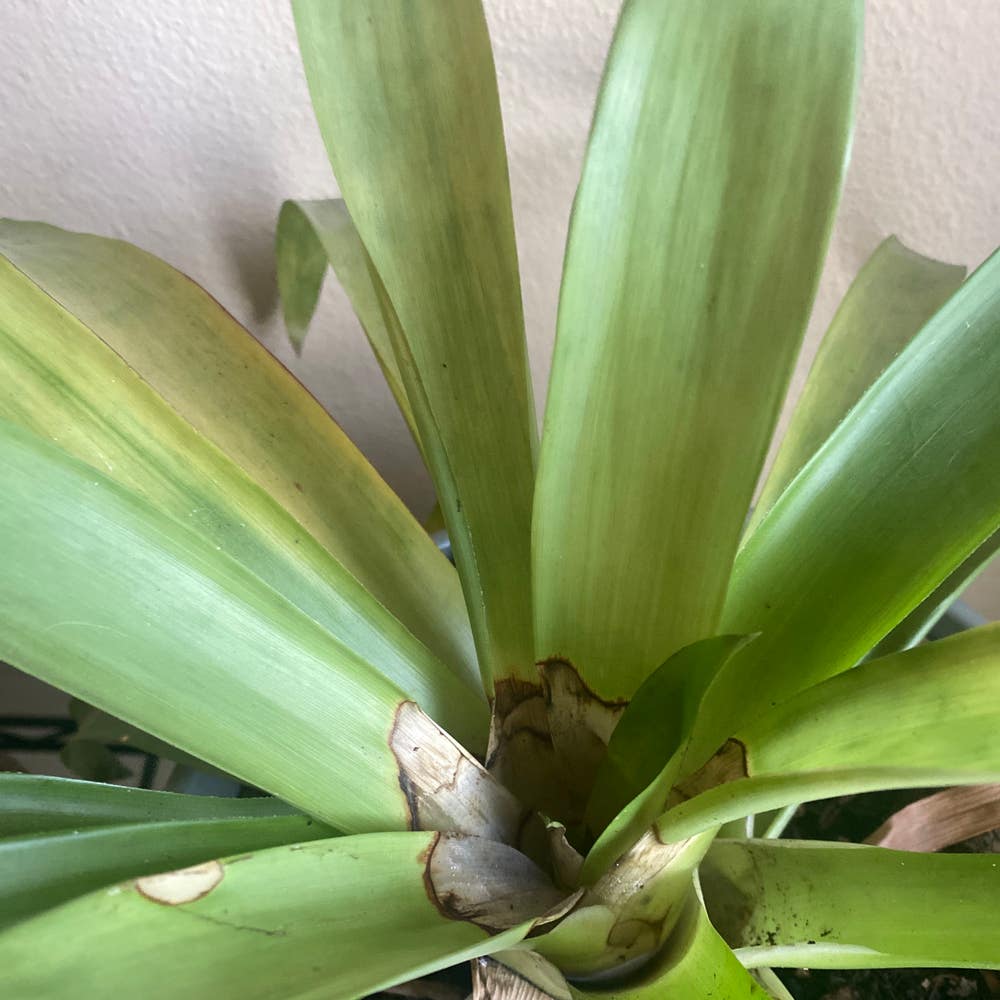
Why Are My Neoregelia lilliputiana Leaves Droopy?
Neoregelia lilliputiana
By the Greg Editorial Team
Apr 06, 2024•3 min read
This article was created with the help of AI so we can cover more plants for you. May contain errors. See one? Report it here.
Transform your Neoregelia's frown 🌿 into a crown with expert tips to banish droopy leaves for good!
- Under/overwatering? Check soil moisture and adjust watering for healthy leaves.
- 🌡️🌞 Light and temperature stress? Relocate for bright, indirect light and warmth.
- Nutrient deficiencies? Use balanced fertilizer to prevent droopy, discolored leaves.
Pinpointing the Culprits Behind Droopy Leaves
🚰 Insufficient Watering
Crispy tips and a wilted posture are tell-tale signs of underwatering in your Neoregelia lilliputiana. To combat this, check the top inch of soil; if it's dry, it's time to water. Remember, your plant craves consistency—establish a routine that keeps the soil evenly moist, not drenched.
🚰 Overwatering Woes
Yellow, limp leaves often spell out overwatering. If the soil feels like a wet sponge, it's time to back off the watering can. Ensure your pot has adequate drainage and let the soil dry slightly between waterings to maintain the perfect moisture balance.
🌞 Light and Temperature: Finding the Sweet Spot
Droopy leaves can also be a sign of light or temperature stress. Neoregelia lilliputiana thrives in bright, indirect light and warm temperatures. If your plant is in a dim or drafty spot, consider relocating it to a place with better conditions to prevent droopiness.
🍽️ Nutrient Know-How
Nutrient deficiencies manifest as droopy, discolored leaves. A balanced fertilizer can replenish vital nutrients. Apply it sparingly to avoid nutrient burn, and always follow the 'less is more' principle when feeding your Neoregelia lilliputiana.
Reviving Droopy Leaves
💧 Watering Wisdom
To revive droopy leaves, start by reassessing your watering habits. Check the soil's moisture level before each watering—if the top inch is dry, it's time to water. Remember, it's like a hydration diet for your plant; balance is crucial.
🌞 Light and Temperature Tweaks
Adjust the light and temperature to restore leaf vigor. Provide bright, indirect light and avoid sudden temperature changes. Think of it as creating a comfortable plant spa—stable and predictable.
🍽️ Nutrient Boost
Selecting the right fertilizer can strengthen your plant's leaves. Use a balanced, water-soluble fertilizer during the growing season, and watch your plant's response to adjust the dosage. It's like seasoning a dish—a little can go a long way.
Keeping Leaves Lively and Upright
💧 Consistency is Key in Watering
Watering your Neoregelia lilliputiana can feel like a high-stakes game of 'just enough'—not too much, not too little. Establish a watering schedule that syncs with the rhythm of your plant's needs. The goal is to keep the soil moist but never soggy. Think of it as giving your plant a steady diet of hydration that keeps it from going hangry.
🌞 Light and Temperature Vigilance
Your plant doesn't have the luxury to move into the shade or bask in the sun whenever it feels like it. That's your job. Monitor light and temperature like you're tracking your favorite stock—too much fluctuation and your plant's leaves will start to droop like a bad investment. Adjust your plant's position to ensure it gets the right amount of sun and stays at a comfortable temperature.
🍽️ Nutrient Management
Plants, like people, get cranky when they're hungry. A balanced fertilization regimen is the secret sauce to perky leaves. But don't just go on autopilot—watch your plant's reaction like a hawk and tweak the feeding schedule as needed. It's about finding that nutritional sweet spot where your plant's leaves stand tall and proud.
⚠️ Safety First
This content is for general information and may contain errors, omissions, or outdated details. It is not medical, veterinary advice, or an endorsement of therapeutic claims.
Always consult a qualified healthcare professional before using any plant as food, medicine, or supplement.
Never eat any plant (or feed one to pets) without confirming its identity with at least two trusted sources.
If you suspect poisoning, call Poison Control (800) 222-1222, the Pet Poison Helpline (800) 213-6680, or your local emergency service immediately.
Spotted an error? Please report it here.
Ensure your Neoregelia lilliputiana stays perky and vibrant 🌿 with Greg's tailored care reminders that help you strike the right balance of water, light, and nutrients.