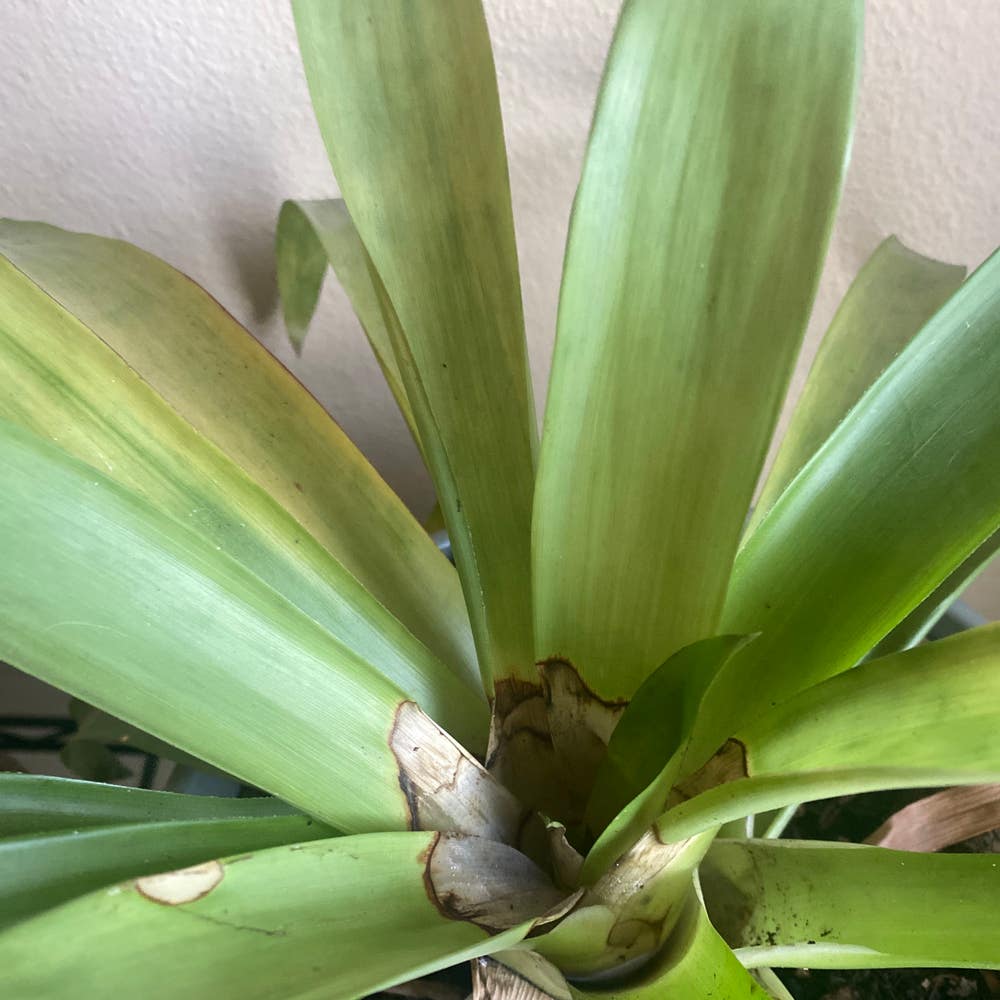
Propagating Your Neoregelia lilliputiana: Step-by-Step Guide
Neoregelia lilliputiana
By the Greg Editorial Team
Apr 06, 2024•4 min read
This article was created with the help of AI so we can cover more plants for you. May contain errors. See one? Report it here.
Propagate your Neoregelia 🌿 effortlessly with this ultimate guide to multiplying your miniature jungle! 🌱
- Offsets (pups) for new plants: Separate with a sterile blade and let dry.
- Seed propagation needs care: Warm, moist environment for germination.
- Post-propagation: Monitor closely, adjust care, and troubleshoot as needed.
Propagating Through Offsets (Pups)
🌱 Identifying and Harvesting Offsets
Offsets, or pups, are your Neoregelia lilliputiana's way of offering you free plants. Spot them nestled at the base of the mother plant, looking like they're ready for independence. They should have a few roots or at least the potential to grow them. To separate, gently twist or use a sterile blade for a clean cut, ensuring minimal damage to both pup and parent. Let the wound dry for a day to prevent rot—think of it as a plant's version of a band-aid.
🌿 Prepping and Planting Offsets
Once the pups have callused, it's time to pot. Choose a container with drainage holes and fill it with a well-draining soil mix—your pup's life depends on avoiding soggy soil. Plant them shallowly so they stand firm but not so deep they feel buried alive. Position them in bright, indirect light; direct sun is as welcome as socks in sandals. Water sparingly at first—these pups dislike wet feet as much as you dislike stepping in a puddle with socks on. Patience is crucial; roots may take time to show up, but when they do, it’s like a silent high-five from nature.
Starting from Scratch: Seed Propagation
🌱 Collecting Neoregelia lilliputiana Seeds
Harvesting Neoregelia lilliputiana seeds is about timing. Wait for the plant's blooms to wither; that's your cue. Seeds should be mature and ready to leave the nest. Handle them with care; these tiny specks are your future jungle.
🌿 Germinating Your Seeds
🌴 The Germination Setup
Creating a mini tropical haven is key. Think warmth, moisture, and the kind of bright, indirect light that makes you squint pleasantly. Use a soil mix that drains well but retains the right amount of moisture.
🌱 Seedling VIP Care
Monitor your seeds like they're the latest binge-worthy series. Once they sprout, ease them into the real world by gradually reducing humidity. Keep the soil moist, but not soggy. Patience is your best friend here; these seedlings won't rush for anyone.
Post-Propagation Care: The First Few Weeks
🌱 Ensuring a Strong Start
In the critical first few weeks post-propagation, your Neoregelia lilliputiana's success hinges on the care you provide.
Immediate Care Needs
Water sparingly to keep the soil moist, avoiding the extremes of drought and swamp. Bright, indirect light is the golden ticket for growth without scorching the tender leaves. Maintain a consistent temperature to avoid shocking your plant's system.
Acclimatization
Remove any humidity cover gradually, letting your plant adjust to the ambient conditions. This is the plant equivalent of taking off the training wheels.
Monitoring Growth
Keep a vigilant eye on your new plants. New growth is a thumbs-up; yellowing or drooping is a distress signal. Adjust care as needed, and don't be afraid to tweak the environment.
When to Start Normal Care Routines
Once you see signs of stable growth—root establishment in offsets and a couple of true leaves in seedlings—it's time to ease into regular care routines. This isn't an overnight transition; think of it as a slow fade into a new normal.
Solving Propagation Puzzles
🌱 Common Setbacks and Solutions
Dealing with Non-Rooting Offsets
When your offsets act more like stubborn teenagers refusing to clean their rooms, it's time for some tough love. Check the roots; if they're not developing, they might need a firmer nudge. A sprinkle of rooting hormone can be the equivalent of turning off the Wi-Fi to get their attention. Ensure they're in a well-draining mix and keep the soil consistently moist, not soggy. If they're still giving you the silent treatment, consider the temperature and light levels. Offsets thrive in warm, bright conditions, but not direct sunlight that could scorch their delicate leaves.
Troubleshooting Seed Germination Issues
Seeds can be divas, demanding the perfect environment to strut their stuff. If they're not germinating, play detective with the soil temperature—it should be warm, like a cozy blanket, not a hot sauna. The depth at which they're sown also matters; too deep and they might never see the light of day. Aim for shallow planting, just enough to tuck them in. Consistency is key, so keep the moisture levels stable without turning the soil into a swamp. If you've done all this and they're still snoozing, patience is your best bet. Seeds operate on their own schedule, and sometimes all they need is a bit more time to wake up.
⚠️ Safety First
This content is for general information and may contain errors, omissions, or outdated details. It is not medical, veterinary advice, or an endorsement of therapeutic claims.
Always consult a qualified healthcare professional before using any plant as food, medicine, or supplement.
Never eat any plant (or feed one to pets) without confirming its identity with at least two trusted sources.
If you suspect poisoning, call Poison Control (800) 222-1222, the Pet Poison Helpline (800) 213-6680, or your local emergency service immediately.
Spotted an error? Please report it here.
Propagate your Neoregelia lilliputiana 🌱 effortlessly by following this guide and letting Greg track growth and fine-tune care reminders for your burgeoning bromeliads.