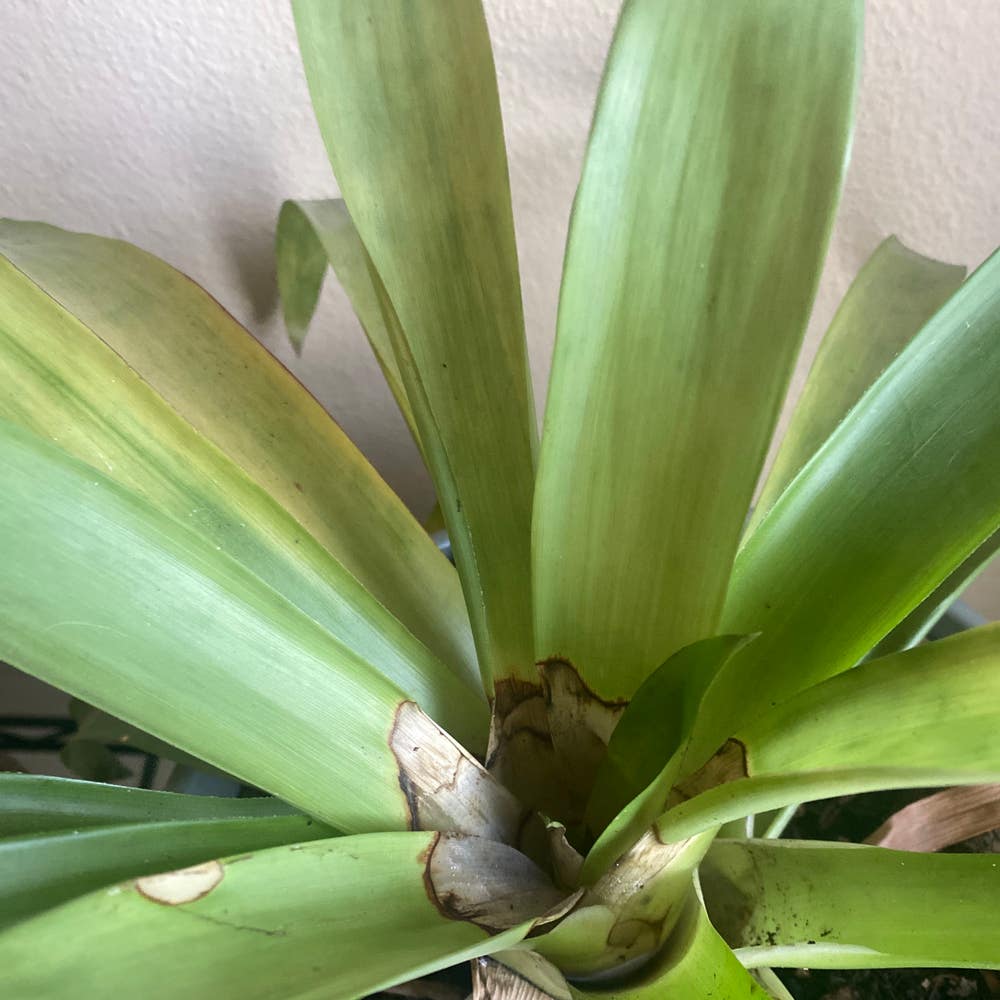
Why Are My Neoregelia lilliputiana Leaves Falling Over?
Neoregelia lilliputiana
By the Greg Editorial Team
Apr 06, 2024•3 min read
This article was created with the help of AI so we can cover more plants for you. May contain errors. See one? Report it here.
Revive your Neoregelia's droopy leaves 🍂 and ensure a lush, vibrant display with these essential care tips.
- Droopy leaves signal distress, often due to water or light issues.
- Balanced nutrients and light are essential for leaf health.
- Consistency in care prevents leaf problems and promotes stability.
Spotting the Signs: When Leaves Go Limp
🚩 Identifying Symptoms
Leaves drooping like they've lost their will to stand? Color changes or texture shifts are your plant's distress flares. Don't ignore leaves that have given up reaching for the sky; they're not just being dramatic.
🩺 Assessing Plant Health
Give your Neoregelia lilliputiana a quick once-over. Check for firmness—a healthy leaf won't flop over with a gentle poke. Inspect beyond the foliage; roots, stems, and buds can also spill the tea on your plant's well-being.
The Usual Suspects: Pinpointing the Culprits
💧 Too Much Love: Overwatering Woes
Your Neoregelia lilliputiana might be drowning in your affection. Overwatering is a common misstep that leads to droopy leaves. Heaviness in the pot and a musty odor from the soil are telltale signs. If the soil feels more like a wet sponge than a moist crumble, it's time to ease up on the watering.
🏜️ Thirsty for Attention: Underwatering Troubles
Conversely, underwatering could be leaving your plant high and dry. A light pot and soil pulling away from the edges scream dehydration. Leaves might curl or become as crisp as autumn leaves, signaling an SOS for hydration.
🌞 Light Matters: Finding the Sweet Spot
Light is a plant's best friend, but the wrong amount is its frenemy. Your Neoregelia lilliputiana seeks the Goldilocks zone—not too much, not too little. Leaves reaching out like sun worshippers or a plant that's more leggy than a supermodel could indicate a need for more light.
🍽️ Feeding Finesse: Nutrient Needs and No-nos
Nutrients are the unsung heroes of leaf support. Yellow leaves might be a cry for nitrogen, while weak growth could be a whisper for potassium. Strike a balance in your plant's diet to avoid leafy languish.
First Aid for Foliage: Turning the Tide on Tumbling Leaves
💧 Fine-Tuning Watering Techniques
Check the soil before you water—top inch dry? Time to hydrate. If it's damp, wait it out. Consistency is your plant's sidekick; let the soil dry slightly between waterings. Room-temperature water is the roots' best friend, and always water at the base to avoid a leafy shower. Seasons change, and so should your watering habits—less is more when it's cooler.
☀️ Lighting the Way to Stability
Light is like a double-edged sword for plants. Bright, indirect light is the sweet spot; it's the plant's happy place. Too much sun leads to a crispy disaster, too little and you're in droop city. Think of it as the plant's favorite pair of sunglasses—protective yet stylish. Rotate your plant to ensure even exposure; it's not just about aesthetics, it's about balance.
🌿 Nutrient Know-How: Reviving Your Plant
Fertilizer is the plant's multivitamin. Use a balanced fertilizer to boost leaf resilience, but don't get heavy-handed—over-fertilization is a ticket to trouble town. Stick to the growing season for the main feedings. Watch for new growth—it's the plant's way of giving you a high-five for a job well done.
Keeping Leaves Upright: Proactive Plant Parenting
💡 Crafting the Ideal Environment
Consistency is the cornerstone of plant stability. Your Neoregelia lilliputiana craves a predictable environment, much like a finicky houseguest. Ensure light, temperature, and humidity levels are steady. Think of it as setting the thermostat to your plant's preferred comfort zone.
🛡️ Vigilant Care: Staying Ahead of the Curve
Regular plant check-ups are non-negotiable. Like a hawk with a keen eye, spot subtle changes in leaf texture or color. These are your plant's distress signals. Be ready to tweak your care routine in response, ensuring your Neoregelia lilliputiana remains the epitome of plant health.
⚠️ Safety First
This content is for general information and may contain errors, omissions, or outdated details. It is not medical, veterinary advice, or an endorsement of therapeutic claims.
Always consult a qualified healthcare professional before using any plant as food, medicine, or supplement.
Never eat any plant (or feed one to pets) without confirming its identity with at least two trusted sources.
If you suspect poisoning, call Poison Control (800) 222-1222, the Pet Poison Helpline (800) 213-6680, or your local emergency service immediately.
Spotted an error? Please report it here.
Prevent your Neoregelia lilliputiana's leaves from drooping with Greg's proactive care alerts 🛡️, ensuring the perfect balance of water, light, and nutrients for your plant's health.