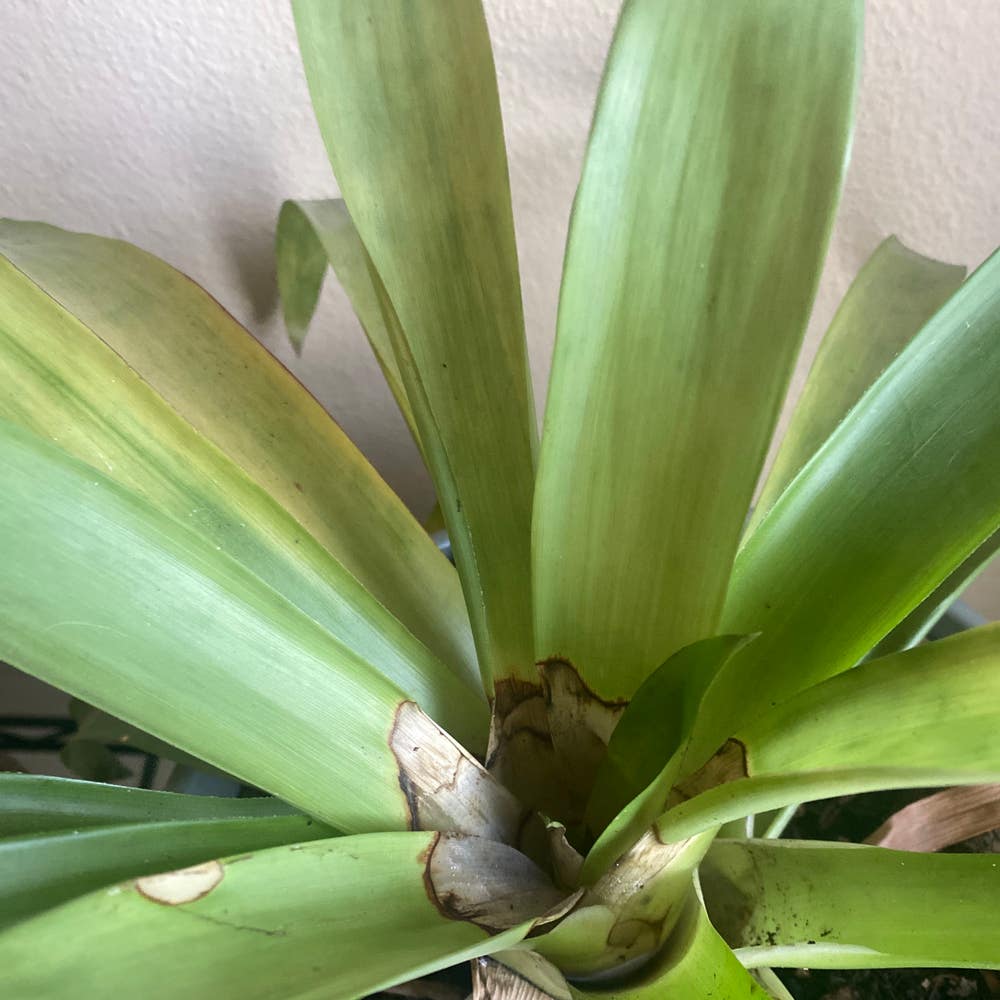
How to Fertilize Your Neoregelia lilliputiana
Neoregelia lilliputiana
By the Greg Editorial Team
Apr 06, 2024•4 min read
This article was created with the help of AI so we can cover more plants for you. May contain errors. See one? Report it here.
Nurture vibrant Neoregelia blooms 🌺 with the perfect fertilization game plan.
- Balanced N-P-K ratio is key for Neoregelia lilliputiana's growth.
- Slow-release fertilizers minimize over-fertilization risks.
- Fertilize monthly during growth, not during rest periods.
Picking the Right Fertilizer for Your Neoregelia lilliputiana
💡 Balanced Fertilizers: The Magic Ratio
Neoregelia lilliputiana thrives on a specific nutrient blend. The N-P-K ratio—nitrogen (N), phosphorus (P), and potassium (K)—should be balanced. A low-nitrogen formula is ideal to enhance leaf color without promoting excessive foliage growth at the expense of the plant's striking bracts and flowers.
🍽️ Organic vs. Synthetic: What's Best for Your Bromeliad?
Organic fertilizers break down slowly, enriching the soil ecosystem. They're a long-term investment in your plant's health. Synthetic fertilizers offer a quick nutrient boost, but there's a risk: apply with a light hand to avoid root burn and environmental harm.
🏞️ Slow-Release Fertilizers: A Steady Diet for Your Plant
Slow-release fertilizers are the set-and-forget option, gradually nourishing your Neoregelia lilliputiana. They minimize the risk of over-fertilization and provide a steady supply of nutrients, which is perfect for these low-maintenance beauties.
Timing is Everything: When to Fertilize
🌱 Growing Season Feeding Frenzy
During the active growth phase of your Neoregelia lilliputiana, typically spring and summer, fertilization is key. This is when your plant is in beast mode, churning out new growth like there's no tomorrow. A monthly fertilization schedule is your best bet to keep up with its demands.
❄️ Resting Period: To Feed or Not to Feed?
Come winter, your plant hits the snooze button. It's a time for rest, not feasting on nutrients. Hold off on the fertilizer; overdoing it now is like offering an espresso to someone in deep slumber. Let your plant chill, and save the nutrient boost for when it wakes up, ready to grow again.
The Fertilization How-To: Techniques and Tips
💧 Central Cup vs. Soil: Where to Apply Fertilizer
Central cup or soil? That's the question. For Neoregelia lilliputiana, the central cup acts like a natural reservoir, but overdoing it can lead to rot. A light, diluted liquid fertilizer can be added here during the growing season.
For soil application, aim for the base, not the leaves. This method gets the nutrients to the roots without the risk of creating a soggy mess. Remember, it's about reaching the roots, not giving the leaves an unwanted shower.
🌱 Dilution Solutions: Preventing Fertilizer Burn
Dilution is your plant's best friend. Mix liquid fertilizer to half-strength to avoid the dreaded fertilizer burn. It's like a bartender mixing a cocktail—precision is key. Apply this diluted mix directly to the soil, ensuring the plant sips, not gulps, the nutrients.
For granular types, sprinkle sparingly and water it down. Think of it as a slow-release snack for your plant's roots. Less is more here; you're feeding a delicate bromeliad, not a ravenous beast.
⏰ Frequency Matters: How Often to Fertilize
The golden rule: fertilize sparingly during the growing season. Once a month should suffice, keeping your Neoregelia lilliputiana in tip-top shape without overwhelming it.
In the resting period, ease off. Your plant isn't in the mood for a feast; it's taking a breather. Over-fertilizing during dormancy is like offering a heavy meal right before bed—just not a good idea.
Oops, Too Much! Dealing with Over-Fertilization
🚨 Spotting Trouble: Recognizing Over-Fertilization Symptoms
Yellowing leaves or browning tips can be the first cry for help from an over-fertilized Neoregelia lilliputiana. A white crust of salt on the soil's surface isn't a winter wonderland; it's a sign you've been too generous with the feed. Stunted growth or a surprising lack of blooms, despite your best efforts, often points to a nutrient traffic jam.
🛠️ Quick Fixes: How to Mitigate Over-Fertilization
Caught in the act of over-fertilizing? Stop the nutrient flow immediately. Your plant needs a breather, not a buffet. Begin the rescue operation by flushing the soil with water to wash away excess fertilizer. This isn't a one-and-done deal; repeat every few days until your plant stops sulking. If the soil looks like it's been through a chemical apocalypse, consider replacing the top layer or repotting entirely. Hold off on the next fertilizer round for a solid month, at least. Your plant's gratitude will be shown in its revival. Remember, less is often more—your Neoregelia lilliputiana isn't training for a plant bodybuilding contest.
⚠️ Safety First
This content is for general information and may contain errors, omissions, or outdated details. It is not medical, veterinary advice, or an endorsement of therapeutic claims.
Always consult a qualified healthcare professional before using any plant as food, medicine, or supplement.
Never eat any plant (or feed one to pets) without confirming its identity with at least two trusted sources.
If you suspect poisoning, call Poison Control (800) 222-1222, the Pet Poison Helpline (800) 213-6680, or your local emergency service immediately.
Spotted an error? Please report it here.
Ensure your Neoregelia lilliputiana flourishes with just the right nutrients by using Greg's tailored reminders 📅 for when and how to fertilize, making overfeeding a thing of the past.