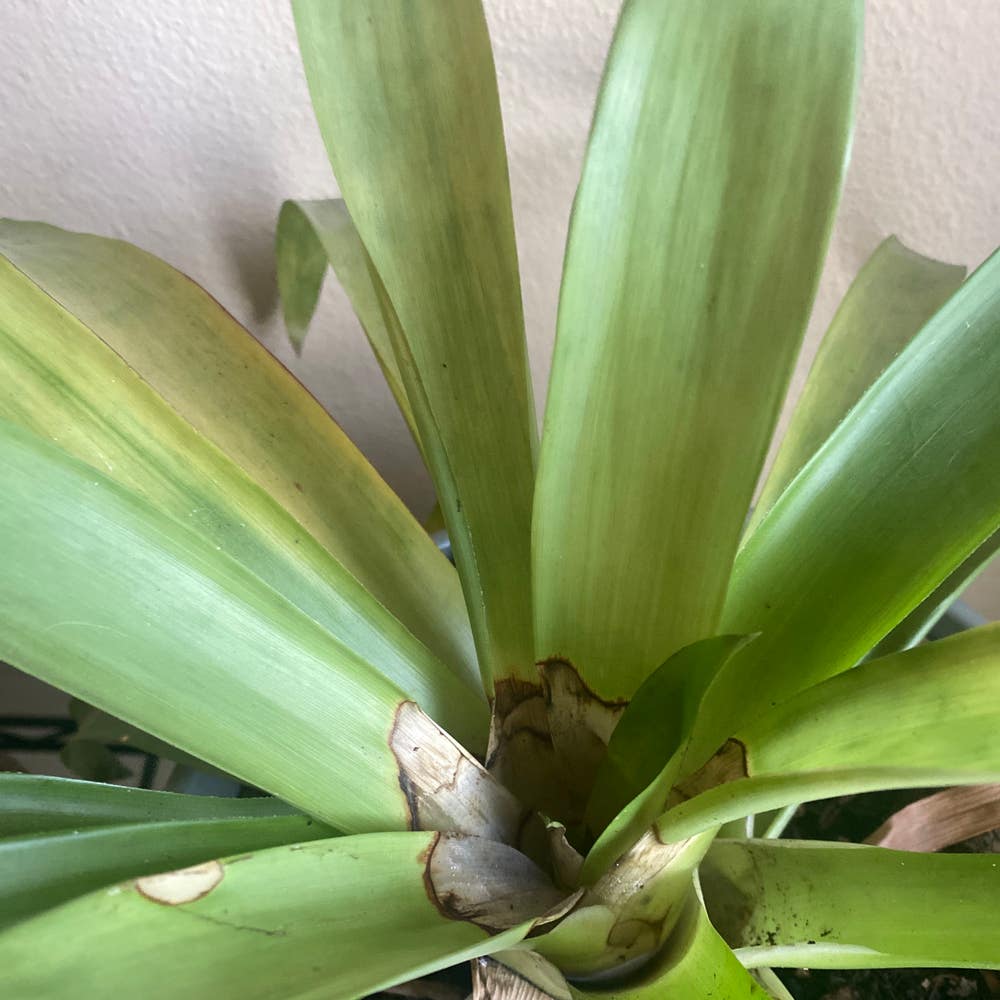
How to Get a Neoregelia lilliputiana to Bloom
Neoregelia lilliputiana
By the Greg Editorial Team
Apr 06, 2024•5 min read
This article was created with the help of AI so we can cover more plants for you. May contain errors. See one? Report it here.
Unlock the secret to a stunning Neoregelia bloom 🌺 with the right light, warmth, and care tips in this guide!
- Blooms in warmer months, watch for color change and flower spikes.
- Bright light, 65-75°F, 60% humidity for optimal flowering conditions.
- 🍎 Use ethylene (ripe apple/banana) to encourage reluctant bloomers.
Timing the Show: When to Expect Blooms
🌸 Seasonal Blooming Patterns
Neoregelia lilliputiana, like many bromeliads, has a predictable blooming pattern. Typically, you can expect these vibrant plants to put on their floral show once they've matured, which often aligns with the warmer months.
Signs of readiness for bloom include a change in the center of the plant's color and the emergence of a flower spike. Keep your eyes peeled for these indicators; they're your green light to tweak your care routine for the upcoming spectacle.
Adjusting Care with the Seasons
As the seasons shift, so should your approach to plant care. Winter is a rest period for Neoregelia lilliputiana, but as spring approaches, it's time to ramp up.
Increase watering and light exposure gradually to mimic the natural increase in rainfall and daylight in their native habitat. This gradual change helps signal to the plant that it's time to bloom. Remember, it's not just about keeping the plant alive; it's about setting the stage for a breathtaking performance.
Setting the Stage: Optimal Conditions for Flowering
💡 Light: The Spotlight on Blooming
Neoregelia lilliputiana craves bright, indirect light to trigger its blooming phase. Too much direct sunlight can be harsh, while insufficient light leaves it all dressed up with nowhere to go. Aim for a luminous but diffused light setting, akin to the plant's natural, dappled-light habitat.
🌡️ Temperature: The Warmth to Woo the Blooms
The ideal temperature range to encourage Neoregelia lilliputiana to flower is between 65°F and 75°F. Consistency is key; avoid sudden shifts that can stress the plant out. If your indoor climate is a bit erratic, consider using a space heater or fan to stabilize the temperature gently.
💦 Humidity: Creating a Tropical Oasis
Humidity acts like a backstage crew for Neoregelia lilliputiana's blooming show. Maintain humidity levels around 60% to replicate the plant's tropical origins. Grouping plants or using a humidifier can help achieve this. Remember, overwatering is a no-no; it's about the air, not soggy soil.
Feeding for Flowers: Fertilization and Watering
💪 The Right Diet for a Blooming Neoregelia
To kickstart the blooming of your Neoregelia lilliputiana, think of fertilizer as the plant's personal trainer. Balanced is the keyword here. Use a water-soluble fertilizer with an even N-P-K ratio, and apply it directly to the foliage and the top half of the growing medium. This mimics their natural feeding process, as they typically gather nutrients from debris in their native habitat.
During the growing season, fertilize bi-weekly. It's like a regular workout routine for your plant. When growth slows down, so should your fertilizing—overdoing it can lead to a nutrient overdose, which is as bad for your plant as a sugar crash is for you. If your plant's leaves start to yellow, it's begging for a nutrient boost. Listen to it.
Remember, too much nitrogen can lead to a bushy plant with no blooms, like a bodybuilder who skipped leg day. Instead, ensure your fertilizer includes calcium, iron, and zinc—these are the essential vitamins for a blooming champion.
💧 Watering Practices for Peak Bloom
Watering is a delicate balance. Your Neoregelia lilliputiana craves consistency, with soil that's moist but never soggy. Achieving this sweet spot is crucial; too much water and you risk diluting the nutrients, too little and you stress the plant out.
For indoor plants, let the top inch of soil dry out before watering again. Humidity should be your plant's best friend, ideally between 40-60%. Occasional misting can help maintain this level, especially in drier home environments.
Be vigilant. Once you spot buds forming, maintain your watering and fertilizing regimen to support the flowers as they develop. It's like seeing the finish line in a marathon—you don't slow down; you keep the pace to the very end.
Overcoming Shyness: Encouraging Reluctant Bloomers
🌸 Common Blooming Obstacles
Sometimes, Neoregelia lilliputiana acts like the kid who won't dance at prom. Nutrient imbalance is often the wallflower's dilemma. A phosphorus-rich fertilizer might just be the nudge your plant needs. But don't go overboard; too much can lead to a foliage party, with no flowers in sight.
Pruning can also act as a pep talk for bashful buds. Trim away dead or damaged foliage to redirect energy to potential blooms. Remember, use clean, sharp tools to prevent harm and disease. And patience, while not a tangible tool, is essential. Plants, like people, sometimes just need a little more time.
🌿 The Ethylene Edge
If you're still left with a bloom-less Neoregelia, it's time to pull out the secret weapon: ethylene. This natural plant hormone is like a whisper in the ear of your plant, encouraging it to show off its flowers. You can introduce ethylene naturally by placing a ripe apple or banana near the plant. Just don't expect overnight miracles; it's a subtle nudge, not a magic spell.
Remember, if all else fails, don't be shy to seek out advice from fellow plant enthusiasts. Online forums and local gardening groups are treasure troves of region-specific advice. You're not alone in your floral quest. Sometimes, it takes a village to get a plant to bloom.
⚠️ Safety First
This content is for general information and may contain errors, omissions, or outdated details. It is not medical, veterinary advice, or an endorsement of therapeutic claims.
Always consult a qualified healthcare professional before using any plant as food, medicine, or supplement.
Never eat any plant (or feed one to pets) without confirming its identity with at least two trusted sources.
If you suspect poisoning, call Poison Control (800) 222-1222, the Pet Poison Helpline (800) 213-6680, or your local emergency service immediately.
Spotted an error? Please report it here.
Ensure your Neoregelia lilliputiana blooms brilliantly 🌺 by leveraging Greg's personalized care reminders and environmental tracking for that tropical flourish.