Why Are There Brown Spots on My Neoregelia lilliputiana?
Neoregelia lilliputiana
By the Greg Editorial Team
Apr 06, 2024•4 min read
This article was created with the help of AI so we can cover more plants for you. May contain errors. See one? Report it here.
Solve the puzzle of brown spots on your Neoregelia 🌿 and restore its vibrant health with expert tips!
- Various causes for brown spots: sunburn, infections, nutrient issues.
- Spot appearance clues: pattern may indicate specific problems.
- Prevention is key: proper light, water, and clean tools.
Spotting the Trouble: Identifying Brown Spots
🕵️♂️ Visual Symptoms
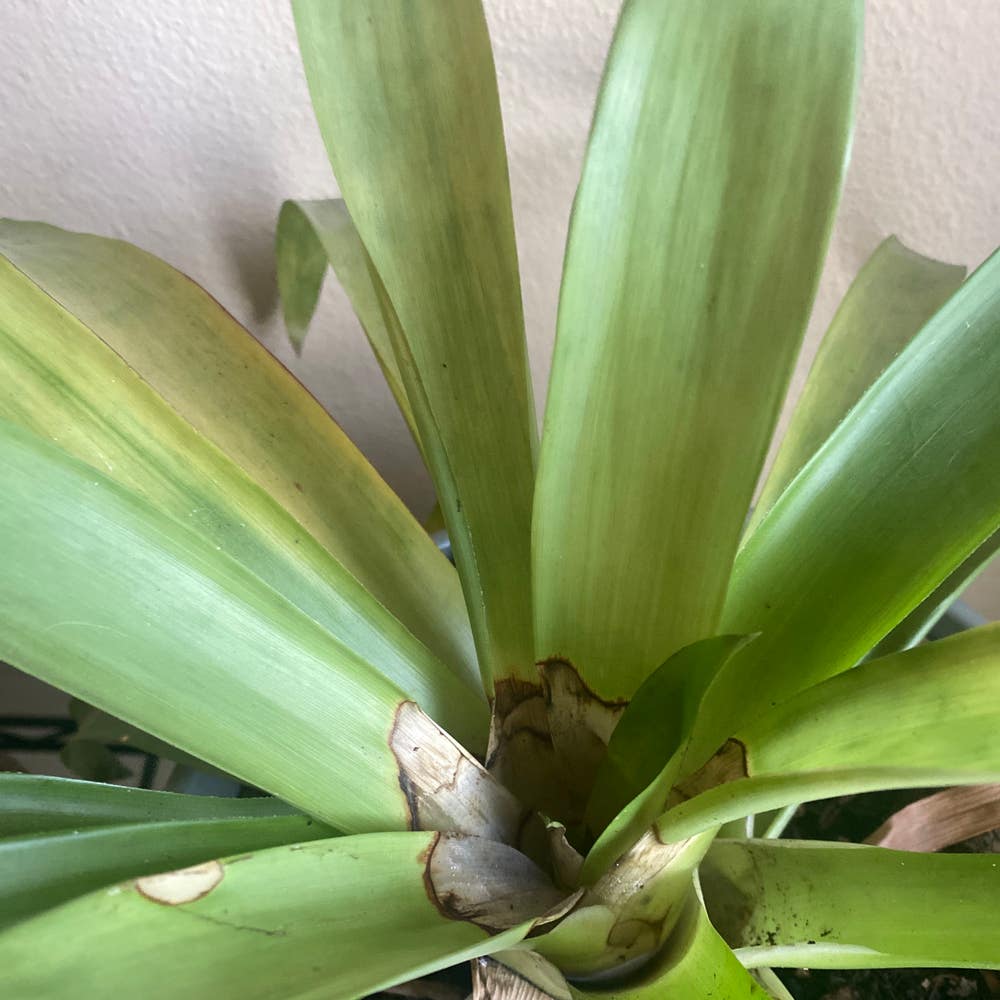
Brown spots on your Neoregelia lilliputiana can be as varied as the reasons behind them. They might show up as tiny specks or evolve into larger blotches, with shapes ranging from irregular to perfectly circular. The pattern of these spots—whether scattered, clustered, or with distinct edges—provides vital clues to their cause.
🦠 Common Culprits
The list of potential villains includes sunburn, fungal or bacterial infections, and nutrient imbalances. Each leaves a unique fingerprint on your plant: dry, crispy spots often point to too much sun, while a soft, mushy texture could signal overwatering or poor drainage. A yellow halo might be waving a flag for fungal issues.
🚨 When to Worry
Not all spots are a cause for alarm. Some might be natural markings or the result of physical damage. However, if you notice spots that are spreading, changing in color, or accompanied by other symptoms like leaf drop or wilting, it's time to take action. Consistent patterns or a cluster of spots are your plant's SOS—don't ignore it.
The Root of the Problem: Pinpointing the Cause
🌞 Sunburn or Shade Seeker?
Lighting can be a fickle friend to your Neoregelia lilliputiana. Too much sun, and you'll see the leaves sport crispy, bleached spots—classic sunburn. Not enough, and the plant stretches out desperately, losing its vibrant color. It's a Goldilocks scenario: find that just-right balance of bright, indirect light to keep your plant in the pink—or rather, the green.
🍄 Fungus Among Us?
Fungal and bacterial infections have a flair for the dramatic, with symptoms like red or yellow halos around spots or water-soaked lesions. If your plant's leaves look like they've been in a paintball fight, it's time to suspect a microbial invasion. High humidity and poor air circulation roll out the red carpet for these unwanted guests.
🚰 Water Woes
Overwatering can turn your plant's root zone into a swampy nightmare, while hard water leaves behind a mineral buildup that's as welcome as a chalky residue on a fresh glass of water. If the roots look more like a horror movie prop than a healthy plant part, you've got water issues. Aim for consistent moisture and consider filtered water to avoid turning your Neoregelia into a mineral magnet.
🍽️ Hungry for Nutrients
Nutrient deficiencies or imbalances often manifest as rusty patches on leaves, a sign your plant is starving for attention. It's not just about slapping on some fertilizer; it's about finding the right balance to satisfy your plant's dietary needs without going overboard. Think of it as a tailored diet plan for your leafy friend.
Fixing the Spots: Treatment and Recovery
💡 Light Adjustments
Optimizing light exposure is crucial. Neoregelia lilliputiana thrives in bright, indirect sunlight. If brown spots are due to sunburn, relocate your plant to a spot with dappled light. Conversely, if it's too shady, introduce more light gradually to avoid shock.
🛡️ Infection Interventions
For fungal and bacterial issues, start by removing affected leaves with sterilized shears. This prevents the spread and gives your plant a fighting chance. Apply a fungicide or bactericide as directed, ensuring thorough coverage. Remember, these are potent chemicals; handle with care and precision.
🚰 Water Quality Control
Tap water minerals can cause brown spots. Switch to distilled or rainwater to avoid unwanted mineral deposits. If you're using tap water, let it sit overnight to allow some minerals to dissipate. Ensure your plant's soil drains well to prevent root rot and mineral buildup.
🍽️ Nutrient Boost
A balanced fertilization approach can correct nutrient deficiencies. Use a fertilizer suitable for bromeliads, and adhere to the recommended dosage. Over-fertilizing can lead to nutrient burn, which can cause its own set of issues. Monitor your plant's response and adjust as needed.
Keeping Spots at Bay: Prevention Tactics
🎯 Strategic Placement
Location is everything for your Neoregelia lilliputiana. It craves bright, filtered light, but direct sun is a sworn enemy. Think of a spot that's the plant equivalent of a cozy reading nook—illuminated, yet shielded.
💨 Humidity and Ventilation
Humidity can be a double-edged sword. Your Neoregelia lilliputiana likes it on the higher side, but too much, and you're inviting a fungal house party. Airflow is crucial; stagnant air is as welcome as a skunk at a lawn party. Use a hygrometer to keep tabs on moisture levels, and if things get too steamy, a dehumidifier can be your best friend.
👀 Regular Monitoring
Vigilance is your plant's guardian angel. Keep a hawk's eye on water and pH levels. Overwatering is like throwing a pool party with no lifeguard on duty—risky business. And remember, clean tools are the unsung heroes of plant care. A sterilized pair of shears can be the difference between a quick trim and an all-out battle with infection.
⚠️ Safety First
This content is for general information and may contain errors, omissions, or outdated details. It is not medical, veterinary advice, or an endorsement of therapeutic claims.
Always consult a qualified healthcare professional before using any plant as food, medicine, or supplement.
Never eat any plant (or feed one to pets) without confirming its identity with at least two trusted sources.
If you suspect poisoning, call Poison Control (800) 222-1222, the Pet Poison Helpline (800) 213-6680, or your local emergency service immediately.
Spotted an error? Please report it here.
Banish those pesky brown spots and keep your Neoregelia lilliputiana thriving 🌟 with Greg's tailored care reminders, ensuring the perfect balance of light, water, and nutrients.