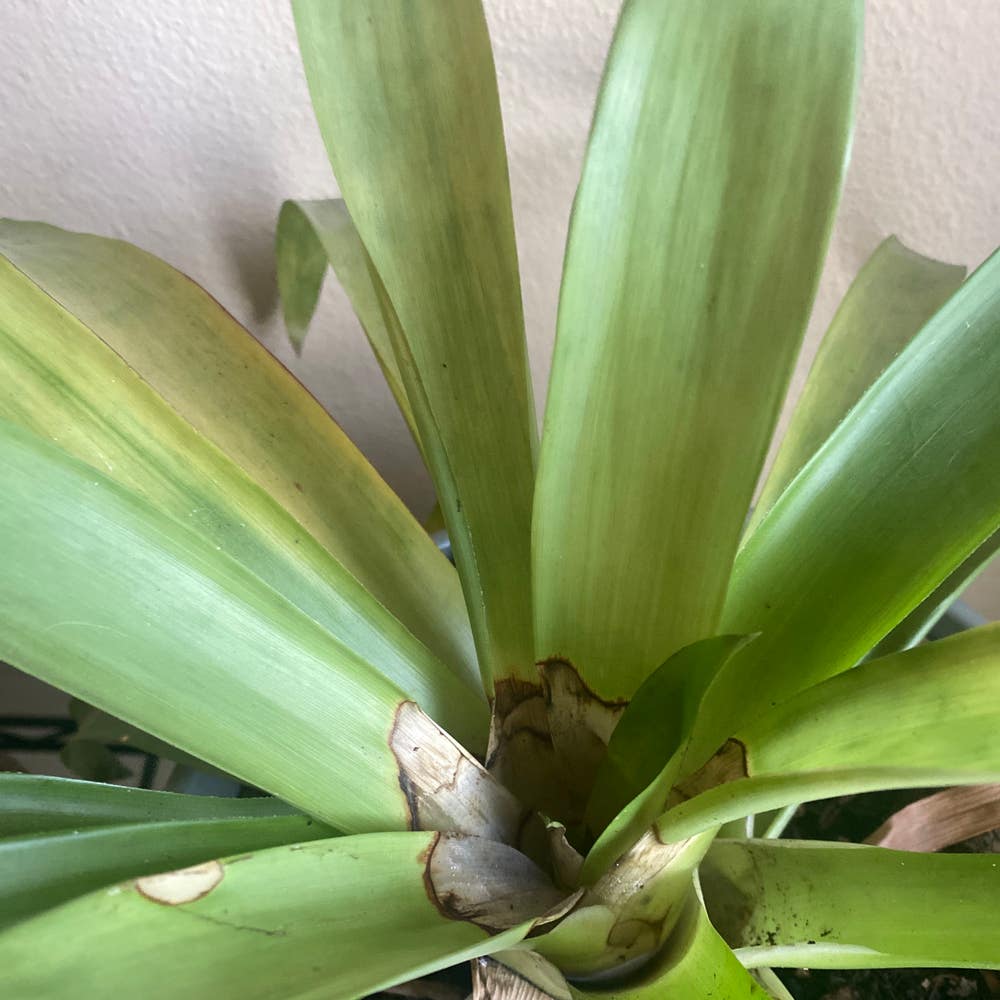
Neoregelia Lilliputiana Root Rot Solutions
Neoregelia lilliputiana
By the Greg Editorial Team
Apr 06, 2024•3 min read
This article was created with the help of AI so we can cover more plants for you. May contain errors. See one? Report it here.
Rescue your Neoregelia 🌿 from root rot's grip with expert solutions and preventative tips!
- Yellow leaves and mushy roots signal root rot in Neoregelia lilliputiana.
- Sterilize and prune affected roots, then treat with fungicide.
- Balance moisture and drainage with proper soil mix and pot selection.
Spotting the Red Flags: Recognizing Root Rot
🚩 Visual Symptoms
Identifying yellowing leaves, wilting, and mushy roots is crucial in diagnosing root rot in Neoregelia lilliputiana. These symptoms are not just a sign of a plant having a bad day; they're a distress signal for immediate attention.
🚨 Other Indicators
Beyond the visual, a foul odor emanating from the soil is a tell-tale sign of decay. Discoloration in leaves, particularly those that should be vibrant, is another red flag not to be ignored. These indicators suggest that the plant's health is compromised below the surface, and action is needed to save your Neoregelia lilliputiana from the grips of root rot.
Jumping into Action: Immediate Root Rot Remedies
🏥 Surgical Precision
When root rot strikes your Neoregelia lilliputiana, it's time for some decisive action. First, sterilize your pruning shears or scissors; cleanliness is non-negotiable. Carefully remove the plant from its pot and inspect the roots. Look for roots that are soft, brown, and have a foul smell—these are the culprits. With a steady hand, cut away all the affected roots. It's a delicate balance: remove too much, and you stress the plant; too little, and the rot could persist.
🧼 Clean and Quarantine
After the pruning, it's crucial to disinfect the remaining roots. Use a copper-based fungicide or a diluted bleach solution, applying it with precision to avoid overwhelming the plant. Rinse the roots gently to remove any residue. Remember to also sterilize your tools again after use to prevent spreading pathogens. Finally, isolate your Neoregelia lilliputiana to prevent the rot from spreading to other plants. Consider this the plant's ICU phase—no visitors allowed until it's back on its feet.
Rebuilding Foundations: Soil and Water Adjustments
💧 Watering Wisdom
Balancing moisture is non-negotiable for Neoregelia lilliputiana. Use a moisture meter or the trusty finger test to ensure the top inch of soil is dry before watering. Remember, overzealous hydration is a one-way ticket to root rot city.
🌱 Soil Selection and Potting Practices
Selecting the right soil mix is like picking a breathable outfit for your plant's roots. Aim for a mix that boasts excellent drainage—a combination of all-purpose potting soil, coarse sand, and perlite works wonders. When potting, make sure the container has drainage holes. It's a simple yet effective way to prevent unwanted water build-up.
Future-Proofing Your Neoregelia: Prevention Strategies
💧 Smart Watering Habits
To maintain the vibrancy of your Neoregelia lilliputiana, smart watering is non-negotiable. Moisture meters are the unsung heroes in this tale, offering real-time soil moisture levels. This gadget is a must-have for those who love precision or tend to give their plants a little too much liquid love. Remember, the goal is to mimic a light drizzle, not a monsoon.
🏡 The Right Home for Your Plant
Pot selection is like picking a house for yourself; it needs to be just right. For Neoregelia lilliputiana, which flaunts a shallow root system, a wide, shallow pot is the holy grail. It ensures adequate aeration and prevents the dreaded soggy bottom. And when it comes to soil, think light and airy. A mix that drains like a dream is what you're after.
Repotting isn't just busywork; it's a critical refresh for your plant's living space. Aim to repot every 2-3 years, but keep your calendar flexible. If your Neoregelia is throwing a growth spurt or looking a bit peaky, it might be time for an unscheduled move.
⚠️ Safety First
This content is for general information and may contain errors, omissions, or outdated details. It is not medical, veterinary advice, or an endorsement of therapeutic claims.
Always consult a qualified healthcare professional before using any plant as food, medicine, or supplement.
Never eat any plant (or feed one to pets) without confirming its identity with at least two trusted sources.
If you suspect poisoning, call Poison Control (800) 222-1222, the Pet Poison Helpline (800) 213-6680, or your local emergency service immediately.
Spotted an error? Please report it here.
Banish root rot with Greg's customized watering alerts 🚿, ensuring your Neoregelia lilliputiana's soil moisture is always on point for healthy, happy growth.