How to Prune Neoregelia lilliputiana
Neoregelia lilliputiana
By the Greg Editorial Team
Apr 06, 2024•3 min read
This article was created with the help of AI so we can cover more plants for you. May contain errors. See one? Report it here.
Ensure a vibrant, thriving Neoregelia lilliputiana 🌿 with expert pruning tips for spring rejuvenation! ✂️
- Spring pruning promotes swift recovery and new growth in Neoregelia lilliputiana.
- Use sharp, sterilized tools for healthy cuts and to prevent disease.
- Post-prune care: water appropriately and watch for new growth or distress.
Best Time to Get Snippy
🌱 Recognizing the Pruning Season
Spring is prime time for pruning Neoregelia lilliputiana. This period aligns with the plant's active growth phase, ensuring a swift recovery and energetic new development.
Understanding the plant's lifecycle is key. Prune when the plant is prepping for growth, not during its rest period in fall or winter.
🕰 Watching for Signs It's Time to Prune
Keep an eye out for growth indicators. Lengthening daylight and rising temperatures signal the start of the growth phase.
Look for leggy stems or sparse leaves. These are your Neoregelia lilliputiana's way of hinting it's ready for a trim. Pruning now is a proactive step towards enhancing vigor and visual appeal.
Gear Up: Choosing Your Pruning Tools
🌿 Selecting the Right Tools
Pruning Neoregelia lilliputiana demands precision. Your toolkit should include sharp pruning shears or scissors, tailored for delicate snips. Larger tools are overkill for this petite plant. Think of it as choosing a scalpel over a cleaver – it's about finesse, not force.
🛡️ Keeping Your Tools in Shape
Sterilization is crucial. Wipe tools with alcohol before and after use, like a ritualistic cleanse for plant health. Keep blades sharp; a dull tool is a plant's nemesis. After each pruning session, clean off sap and debris. It's not just about aesthetics; it's preventative care for your green buddy.
Pruning Step by Step
🌱 Removing Offsets and Spent Foliage
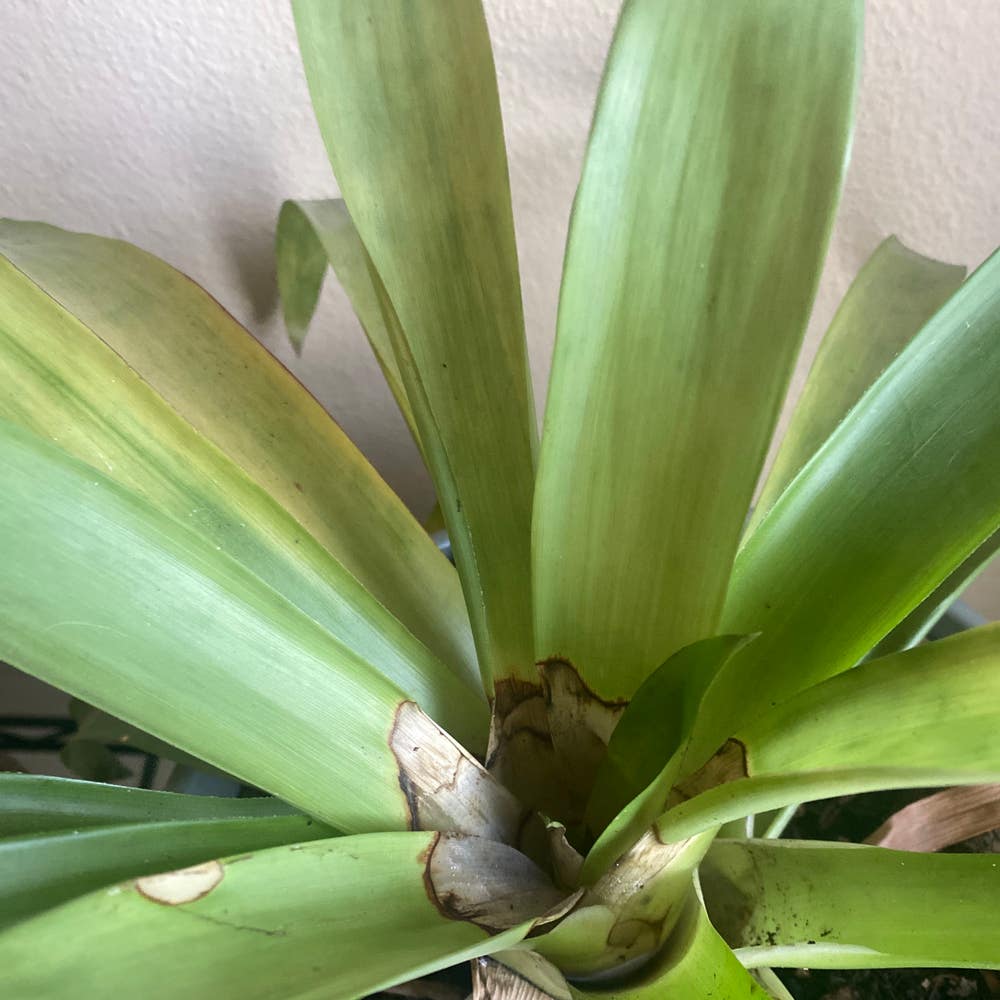
Offsets, or pups, are your Neoregelia lilliputiana's future generations. When they're ripe for independence—usually sporting their own roots—it's time to detach them. Use a sharp, sterilized blade and cut with precision, leaving the pups with a clean start. Dead or yellowing leaves? They're only hogging resources. Snip them off close to the base to redirect energy back to the plant.
🌿 Shaping Your Neoregelia lilliputiana
Aim for a balanced look when shaping your Neoregelia lilliputiana. Step back, assess, and then prune overgrown sections to maintain its natural form. Think of it like a haircut; you're not reinventing the wheel, just tidying up the edges. Keep the plant's symmetry in mind and avoid going Edward Scissorhands on it—less is often more.
🌱 Ensuring Clean Cuts for Plant Health
Clean cuts are not just about aesthetics; they're about health. Dull blades can crush tissues, inviting pathogens to a feast. Always use sharp, clean tools for a swift cut that heals fast. And remember, cutting into healthy tissue may seem harsh, but it's a necessary evil to stop the spread of rot or disease. It's like cutting out the bad to save the good—brutal but effective.
After the Snip: Post-Pruning Care
🌱 Fostering Recovery and Growth
After pruning your Neoregelia lilliputiana, it's time for recovery mode. This is like the plant's convalescence after surgery. Water it just right—enough to quench its thirst but not so much it drowns. Keep it in indirect light; direct sunlight is a no-no for fresh cuts. And hold off on the fertilizer; let the plant focus on healing, not growing.
👀 Monitoring for Health Issues
Now, you're on plant watch. Keep an eye out for new growth—it's the plant's way of giving you a high-five. But also be vigilant for signs of distress like wilting or discoloration. If you spot trouble, don't just stand there—adjust your care. Remember, your Neoregelia lilliputiana doesn't need a helicopter parent, just a keen-eyed guardian.
⚠️ Safety First
This content is for general information and may contain errors, omissions, or outdated details. It is not medical, veterinary advice, or an endorsement of therapeutic claims.
Always consult a qualified healthcare professional before using any plant as food, medicine, or supplement.
Never eat any plant (or feed one to pets) without confirming its identity with at least two trusted sources.
If you suspect poisoning, call Poison Control (800) 222-1222, the Pet Poison Helpline (800) 213-6680, or your local emergency service immediately.
Spotted an error? Please report it here.
Ensure your Neoregelia lilliputiana thrives with precision pruning 🌿 by letting Greg remind you of the optimal springtime moment for a healthy, vibrant plant.