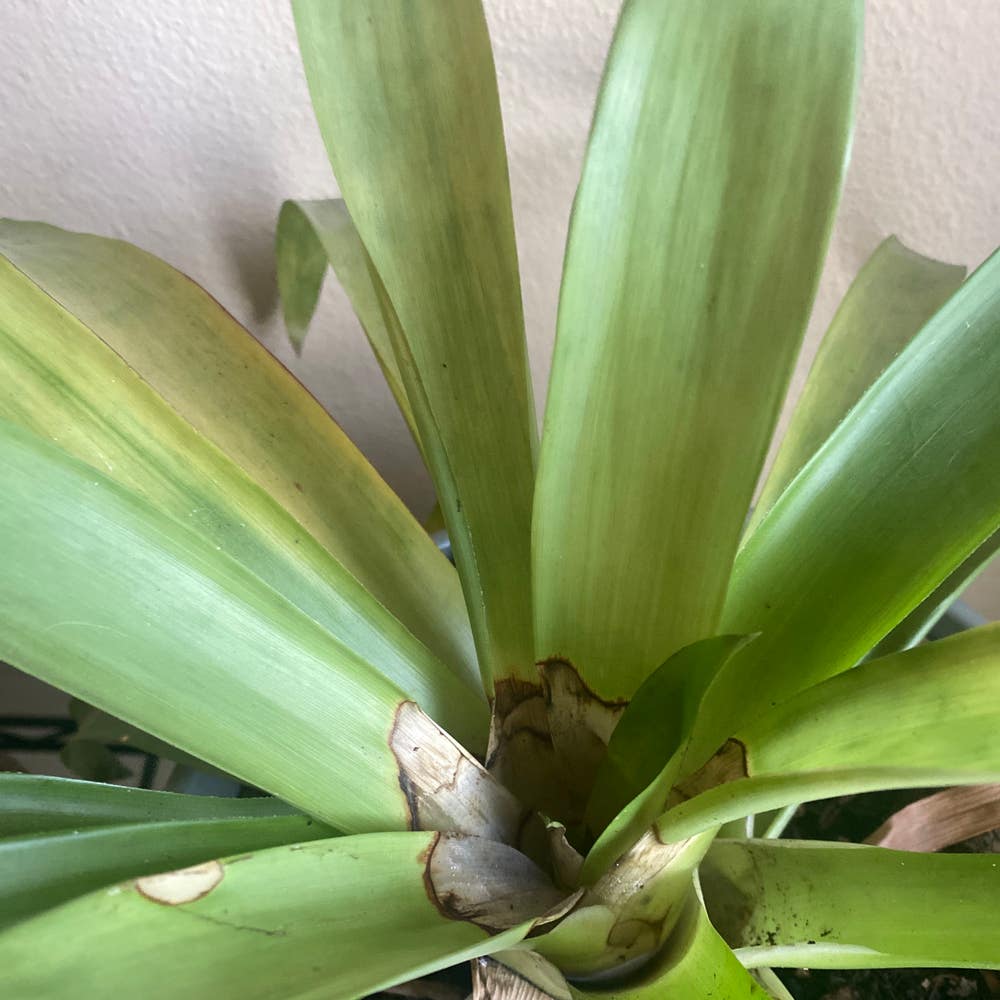
Best Soil for Neoregelia lilliputiana
Neoregelia lilliputiana
By the Greg Editorial Team
Apr 06, 2024•4 min read
This article was created with the help of AI so we can cover more plants for you. May contain errors. See one? Report it here.
Elevate your Neoregelia lilliputiana's growth with the ultimate soil secrets for a lush, happy plant life! 🌿✨
- Drooping leaves signal soil distress; adjust moisture to fix.
- Homemade mix: 1 part garden soil, perlite, peat/coir, and 0.5 part worm castings.
- Commercial mix tweak: Add perlite, peat, lime, or sulfur for perfect pH and moisture.
Spotting and Fixing Unhappy Soil
🚨 Recognizing the SOS Signs from Your Soil
Your Neoregelia lilliputiana's leaves drooping like a disappointed parent? Soil distress might be the cause. If the soil clings to your fingers with a death grip, it's too wet. Conversely, if it scatters like a flock of scared pigeons, it's too dry.
🍄 Mold Be Gone! Fixing Fungal Foes
Spot a fuzzy greenish-white party or catch a whiff of eau de decay? Mold has gatecrashed. Sunlight is your best bouncer, showing mold the door. If the problem's persistent, consider a soil transplant—fresh, sterile mix to the rescue.
🔄 Loosening Up: Dealing with Compaction and Poor Drainage
When your soil's as unyielding as a teenager in a debate, it's time to intervene. Mix in some perlite or coarse sand to break up the soil's clique, improving aeration and drainage. Remember, your plant's roots need room to boogie, not just sit tight.
Crafting the Perfect Home-made Soil Mix
🌱 The Building Blocks of Blissful Soil
Creating a home-made soil mix for Neoregelia lilliputiana is like assembling a dream team for your plant's roots. The key ingredients are:
- Coarse sand or pumice for impeccable drainage
- Peat moss or coir for consistent moisture retention
- Worm castings or compost for a nutrient kickstart
🌿 Mixing It Up: Proportions and Textures
Now, let's talk ratios. A solid starting point is:
- 1 part garden soil
- 1 part perlite or pumice
- 1 part peat or coir
- 0.5 part worm castings
Grab a clean container, and mix these components like you're the chef of a Michelin-starred mud pie. Aim for a texture that's fluffy and light, ensuring roots can breathe and water can flow. Uniformity is crucial; you want every scoop to support your plant's needs. Before you plant, water the mix and let it drain. This step is non-negotiable – it preps your soil to become the ultimate cradle for growth.
Choosing and Tweaking Commercial Soil Mixes
🌱 The Hunt for the Ultimate Pre-made Mix
When you're scouting for commercial soil, think of the label as your plant's dating profile—it needs to tick all the right boxes. Organic ingredients? Check. Proper drainage? Absolutely. A mix that's too clingy with water is a deal-breaker. Lightweight is the way to go; it suggests your plant's roots won't feel strangled in a botanical corset. And pH? Aim for slightly acidic to neutral—if the bag's silent on that, swipe left.
🎨 Tailoring Store-Bought Soil to Your Plant's Desires
Even the best off-the-shelf soil might need a personal touch. Consider it a base to which you're adding your own flair. If it's too dense, lighten it up with some perlite or pumice. Too dry? A handful of peat moss or coir can help. And if your plant's a drama queen when it comes to pH, don't hesitate to adjust with a sprinkle of lime or sulfur. Remember, you're the tailor here, and you're fitting the soil to your plant's unique contours.
Keeping Your Soil in Check: Moisture and pH Balance
💧 The Thirst Quench Test: Managing Soil Moisture
Your Neoregelia lilliputiana's soil needs to hit the moisture sweet spot. Too much water, and you're drowning the roots; too little, and you're parching them. Use your finger or a moisture meter to check if the top inch of soil feels dry. If it does, it's time to water. If not, give it a break. Remember, a wrung-out sponge is what you're aiming for.
🎭 The pH Power Play: Keeping It in the Sweet Spot
Soil pH is like the bouncer at a club, deciding which nutrients get through to your plant. For Neoregelia lilliputiana, you want a slightly acidic to neutral pH. Test the soil with a pH meter or a simple test kit. If it's too acidic, sprinkle some lime; too alkaline, sulfur is your go-to. But go easy—overdoing it can cause more harm than good. Regular checks and balances will keep your plant thriving.
⚠️ Safety First
This content is for general information and may contain errors, omissions, or outdated details. It is not medical, veterinary advice, or an endorsement of therapeutic claims.
Always consult a qualified healthcare professional before using any plant as food, medicine, or supplement.
Never eat any plant (or feed one to pets) without confirming its identity with at least two trusted sources.
If you suspect poisoning, call Poison Control (800) 222-1222, the Pet Poison Helpline (800) 213-6680, or your local emergency service immediately.
Spotted an error? Please report it here.
With Greg, you can perfect your Neoregelia's soil 🌱 by getting tailored moisture alerts and pH balance tips, ensuring your plant's roots are as happy as its leaves.