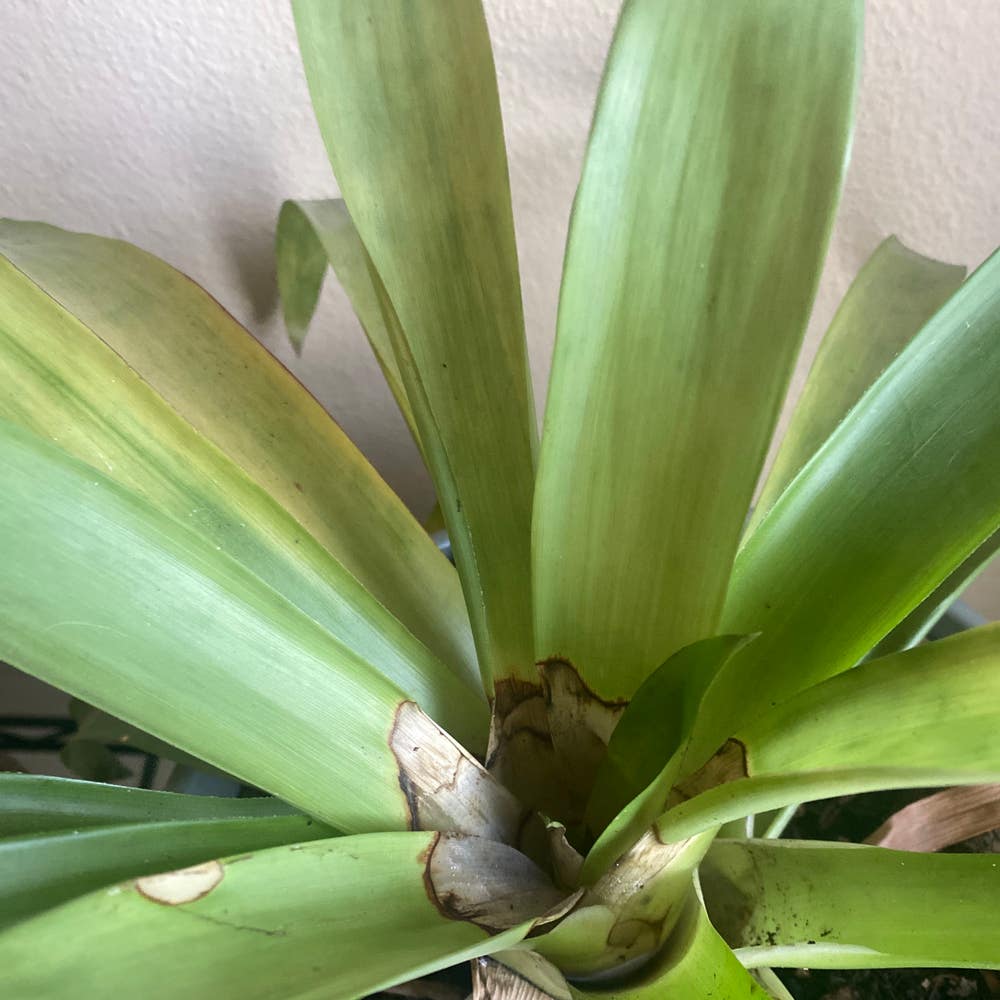
🐞 What Are The Bugs on My Neoregelia lilliputiana?
Neoregelia lilliputiana
By the Greg Editorial Team
Apr 06, 2024•3 min read
This article was created with the help of AI so we can cover more plants for you. May contain errors. See one? Report it here.
Safeguard your Neoregelia lilliputiana's charm from tiny terrors 🐛 with these proven pest-fighting strategies! 🛡️
- Sap-suckers and soil lurkers threaten Neoregelia lilliputiana's health.
- Neem oil and insecticidal soap are natural pest control champions.
- Prevent infestations with quarantine, inspection, and good cultural practices.
Spot the Invaders: Identifying Common Pests
🕷️ Spider Mites and Scale: The Sap-Suckers
Tiny webbing on your Neoregelia lilliputiana? Spider mites are likely the culprits. These pests are nearly microscopic but leave webbing and a pattern of leaf damage known as stippling.
Scale insects are masters of disguise, appearing as waxy bumps on stems and leaves. They suck the sap out of your plant and excrete sticky honeydew, which can lead to sooty mold.
🦟 Fungus Gnats and Fruit Flies: The Soil Lurkers
Notice tiny flies around your plant? You're probably dealing with fungus gnats or fruit flies. These pests thrive in moist soil, turning it into a breeding ground.
Fungus gnats are the more slender of the two, resembling tiny mosquitoes, while fruit flies are slightly rounder. Both can be a nuisance, indicating that it's time to let the soil dry out a bit.
🐛 Mealybugs and Thrips: The Clingy Critters
If you spot white, fluffy masses in the nooks of your plant, say hello to mealybugs. They're like unwanted guests who refuse to leave, sapping the plant's strength and leaving sticky honeydew in their wake.
Thrips are less noticeable but leave behind silvery scars on leaves. They're clingy and can cause significant stress to your Neoregelia lilliputiana, distorting growth and damaging foliage.
Battle Tactics: Effective Remedies for Each Pest
🌿 Natural and Chemical-Free Solutions
Neem oil and insecticidal soap are your first line of defense. They're like the eco-friendly neighborhood watch for your Neoregelia lilliputiana. Apply with precision to avoid collateral damage.
Humidity and air circulation can be your silent allies. They create an environment that's less than ideal for pests, making your plant less of a target.
🎯 Targeted Attacks for Stubborn Pests
Sometimes, pests are like that one guest who won't leave the party. That's when you need to be more direct. Alcohol rubs with a cotton swab can get personal with these invaders, wiping them out on contact.
For pests that have made themselves too comfortable in the soil, soil drenches can flush them out. It's like resetting the ground rules in your plant's favor.
When you're dealing with a full-blown infestation, it might be time to call in the cavalry. Predatory mites are nature's hitmen, targeting the pests that have overstayed their welcome.
Fortify Your Plant: Preventative Measures
🛡️ The Art of Quarantine and Inspection
Quarantine isn't just a buzzword from recent global events; it's a critical step in plant care. New Neoregelia lilliputiana additions should be given a time-out before mingling with your plant family. This isolation period is like a velvet rope at a club, ensuring no pests sneak past the bouncer.
Regular inspections are your plant's personal bodyguards. Check every nook and cranny of your Neoregelia lilliputiana for uninvited guests. Pay special attention to the undersides of leaves—pests love to throw secret parties there.
🌱 Cultural Practices to Deter Pests
Overwatering is the root of all evil in the plant world. Ensure your Neoregelia lilliputiana's soil is well-draining and only water when the topsoil feels like a dry handshake—firm and not clingy.
Pruning isn't just for aesthetics; it's like a spring cleaning for your plant. Snip away any yellowing or dead leaves to prevent them from becoming pest motels. And while you're at it, keep the plant's area spick-and-span. A clean space is a no-go zone for pests.
Remember, a strong plant is like a fortified castle. Good air circulation acts as the invisible shield, deterring those fungal invaders looking for a cozy spot.
⚠️ Safety First
This content is for general information and may contain errors, omissions, or outdated details. It is not medical, veterinary advice, or an endorsement of therapeutic claims.
Always consult a qualified healthcare professional before using any plant as food, medicine, or supplement.
Never eat any plant (or feed one to pets) without confirming its identity with at least two trusted sources.
If you suspect poisoning, call Poison Control (800) 222-1222, the Pet Poison Helpline (800) 213-6680, or your local emergency service immediately.
Spotted an error? Please report it here.
Prevent pests from bugging your Neoregelia lilliputiana by following Greg's tailored care plan 🌱, and tap into the community for extra troubleshooting tips!