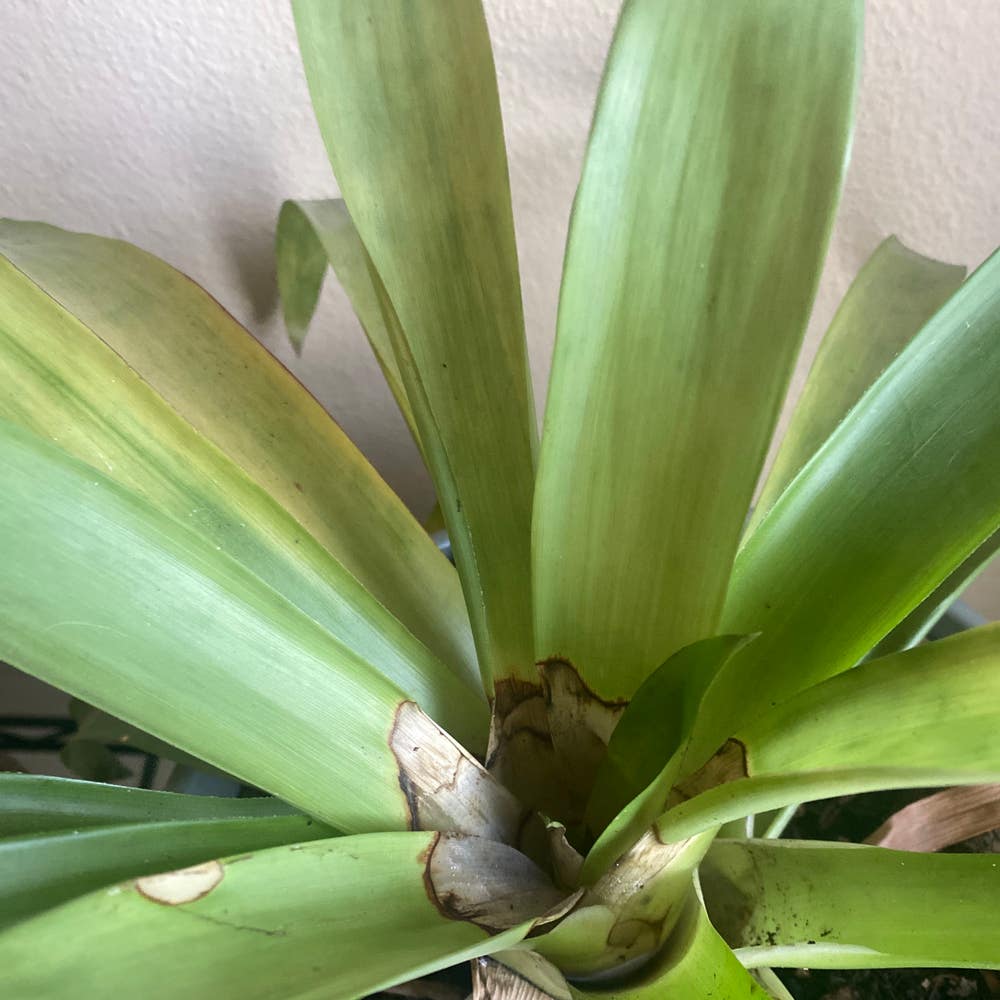
Why Are My Neoregelia lilliputiana Leaves Dropping?
Neoregelia lilliputiana
By the Greg Editorial Team
Apr 06, 2024•4 min read
This article was created with the help of AI so we can cover more plants for you. May contain errors. See one? Report it here.
Prevent leaf drop and keep your Neoregelia thriving with these essential care tips! 🌿🔍
- 🍂 Yellowing or browning indicates plant distress; check for environmental causes.
- 💧 Water wisely using the finger test or moisture meter to prevent root issues.
- 🌡️ Stable temperature and indirect light are crucial for Neoregelia lilliputiana health.
Spotting the Trouble Signs
🚨 Visual Symptoms of Distress
Leaves teetering on the edge of dropping offer the first whisper of trouble. Yellowing or browning, they're not just switching up their wardrobe; they're signaling distress. A pattern of discoloration or a leaf's texture going from supple to crispy is your plant crying out for a change.
🌍 Environmental Check-Up
Quick, to the plant! It's time for an environmental once-over. Drafty windows? A big no-no. Your plant craves consistency, not a surprise chill. Lighting should be just right—not a leaf-scorching sunbath or a gloomy cave. Check for these red flags like you're searching for your lost keys: diligently and without delay.
Rooting Out the Causes
💧 Water Woes
Overwatering is a common misstep, transforming your Neoregelia lilliputiana's soil into a swamp. This can lead to root rot, where roots turn to mush, and leaves droop as if in surrender. Conversely, underwatering leaves the soil bone-dry, causing leaves to become crispy and lifeless. To avoid these extremes, perform the finger test by inserting it into the soil up to the first knuckle; if dry, it's time to water. Alternatively, a moisture meter can provide a more precise measurement.
🌞 Light and Temperature Tangles
Your plant's leaves are like mood rings, changing to indicate if they're getting too much or too little light. Direct sunlight can scorch leaves, while insufficient light causes the plant to stretch out awkwardly. Rotate the plant periodically for even light exposure and consider sheer curtains to soften intense rays. As for temperature, think of your plant as a creature of habit – it thrives in a stable environment without sudden changes.
🌱 Soil Situations
The right soil mix is crucial for your Neoregelia lilliputiana. It should strike a balance between moisture retention and proper drainage. When repotting, handle the roots with care—they're as delicate as a soap bubble. If the soil is too compact, it can suffocate the roots, so ensure there's enough aeration. A quick probe with a dowel can help assess moisture depth and soil compaction. Remember, roots need room to breathe, not drown.
Turning Over a New Leaf
💧 Fine-Tuning Watering Habits
Watering your Neoregelia lilliputiana isn't rocket science, but it does need a bit of finesse. Consistency is your best friend here. Imagine you're checking the soil like it's your morning coffee temperature—just right. If the top feels dry, it's time to water. But hold your horses—don't drown it. Water should drain out freely, signaling enough hydration without the risk of root rot.
🌞 Light and Temperature Tweaks
These plants are like Goldilocks—not too hot, not too cold. Bright, indirect light is their jam, but direct sunlight? That's a no-go. It's like leaving your chocolate bar in the car on a sunny day—meltdown city. Keep temperatures steady, avoiding the extremes of a mid-summer car or a winter's night.
🌱 Soil Solutions
Think of soil like a plant's mattress—comfort is key. Your Neoregelia lilliputiana craves a well-draining mix. A combo of peat, perlite, and orchid bark will do the trick. It's like the perfect bed setup for a restful night—supportive yet soft. And remember, these guys are light eaters, so go easy on the fertilizer. Too much, and you're tipping the scales from nourished to nauseous.
Keeping Leaves Lush and Attached
🌱 Consistency is Key
Crafting a care routine for your Neoregelia lilliputiana is like setting up a series of alarms—you wouldn't ignore a wake-up call, so don't snooze on plant care. Establish a schedule that includes regular watering, feeding, and grooming. Your plant's leaves will thank you by staying put.
👀 Stay Vigilant
Regularly inspect your plant like it's a prized piece of art. Catching early signs of leaf-drop syndrome often means the difference between a quick fix and a botanical breakdown. Look for subtle changes in leaf color or texture; they're like red flags at a bullfight, signaling it's time to adjust your care strategy.
⚠️ Safety First
This content is for general information and may contain errors, omissions, or outdated details. It is not medical, veterinary advice, or an endorsement of therapeutic claims.
Always consult a qualified healthcare professional before using any plant as food, medicine, or supplement.
Never eat any plant (or feed one to pets) without confirming its identity with at least two trusted sources.
If you suspect poisoning, call Poison Control (800) 222-1222, the Pet Poison Helpline (800) 213-6680, or your local emergency service immediately.
Spotted an error? Please report it here.
Ensure your Neoregelia lilliputiana thrives with perfectly-timed care 🌟 by letting Greg monitor and adjust your plant's watering and light needs.