🌞 Is Direct Sunlight Good for My Neoregelia lilliputiana?
Neoregelia lilliputiana
By the Greg Editorial Team
Apr 06, 2024•3 min read
This article was created with the help of AI so we can cover more plants for you. May contain errors. See one? Report it here.
Learn to shield your Neoregelia lilliputiana 🌿 from harsh sunbeams for a thriving, vibrant display!
- Direct sunlight is too intense for Neoregelia lilliputiana's preference.
- 🌳 Dappled light mimics natural habitat, preventing sun stress.
- Window direction affects light intensity; adjust plant placement accordingly.
Sunlight Showdown: Neoregelia lilliputiana's Relationship with Direct Rays
🌞 What Does "Direct Sunlight" Really Mean?
Direct sunlight is the unfiltered solar spotlight, the kind that casts sharp shadows on your floor. It's the intense noonday sun that can turn your car into a sauna. In contrast, indirect sunlight is the sun's softer side, delivering a glow that doesn't overwhelm your plant's delicate leaves.
🌱 Neoregelia lilliputiana's Sunlight Preferences
Neoregelia lilliputiana thrives under bright, indirect light. Direct sunlight? Not so much. It's like a delicate dessert that needs just the right oven temperature; too hot and it flops. This plant prefers a well-lit room where the sun's rays are filtered through sheer curtains or bounced off walls.
🌳 The Natural Habitat Clues
Originating from the understory of Brazilian rainforests, Neoregelia lilliputiana is used to dappled light. It's a natural under a canopy of taller trees, where sunlight plays peek-a-boo through the leaves. Mimicking this environment at home means placing it where the light is bright but scattered – think near a window with a leafy tree outside.
Window Wisdom: Finding the Perfect Spot for Your Neoregelia lilliputiana
🌅 The Direction Dilemma
East-facing windows are the morning whisperers of sunlight, offering your Neoregelia lilliputiana a gentle wake-up call. West-facing windows, however, are the afternoon fireball flingers, potentially overwhelming your plant with intense light. North-facing windows provide a steady stream of soft light, but may fall short for these light-loving bromeliads. South-facing windows? They're the sunlight buffet, serving up a full spread of rays that can be a bit too rich for your plant's taste.
🌍 Hemisphere Highlights
Your spot on the globe spins the sunlight story differently. In the Northern Hemisphere, south-facing windows are your go-to for maximum light exposure. Flip that if you're down under; north-facing windows in the Southern Hemisphere are where the sun's at. Remember, the sun's path changes with the seasons—so play musical chairs with your plant to keep it basking without baking. Keep it close to the window when the sun plays hide and seek in winter, and pull it back when summer turns up the heat.
Protecting Your Plant: Safeguarding Neoregelia lilliputiana from Too Much Sun
🕶️ Recognizing the Signs of Sun Stress
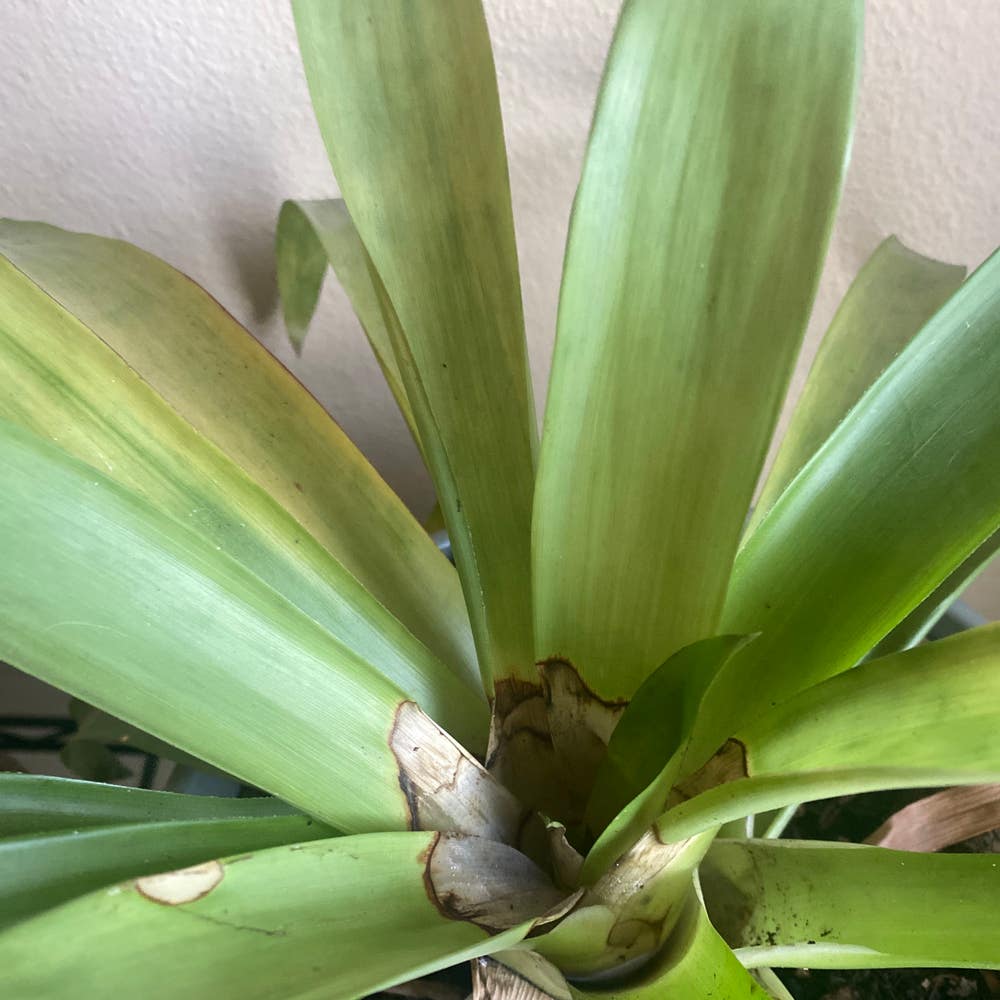
Leaf discoloration is your Neoregelia lilliputiana waving a white flag. If you notice leaves looking more bleached than vibrant, it's time to rethink your plant's sunbathing routine. Browning tips or a washed-out appearance are distress flares signaling it's time to act.
🌤️ Sunlight Strategies
Filtering sunlight is key. A sheer curtain could be the hero your Neoregelia lilliputiana deserves, softening harsh rays like sunglasses for your plant. Consider repositioning your plant to avoid the midday glare, especially during those peak hours when the sun goes full-on spotlight. If your windows are more for show, a grow light on a timer can mimic that sweet spot of bright, indirect light. Rotate your plant periodically to ensure even exposure, because nobody likes a tan line. Remember, vigilance is your best tool; keep an eye out and adjust swiftly to keep those leaves from crisping up.
⚠️ Safety First
This content is for general information and may contain errors, omissions, or outdated details. It is not medical, veterinary advice, or an endorsement of therapeutic claims.
Always consult a qualified healthcare professional before using any plant as food, medicine, or supplement.
Never eat any plant (or feed one to pets) without confirming its identity with at least two trusted sources.
If you suspect poisoning, call Poison Control (800) 222-1222, the Pet Poison Helpline (800) 213-6680, or your local emergency service immediately.
Spotted an error? Please report it here.
Ensure your Neoregelia lilliputiana flourishes 🌿 by using Greg to find its happy place away from harsh rays, with reminders to rotate and reposition for the perfect light.