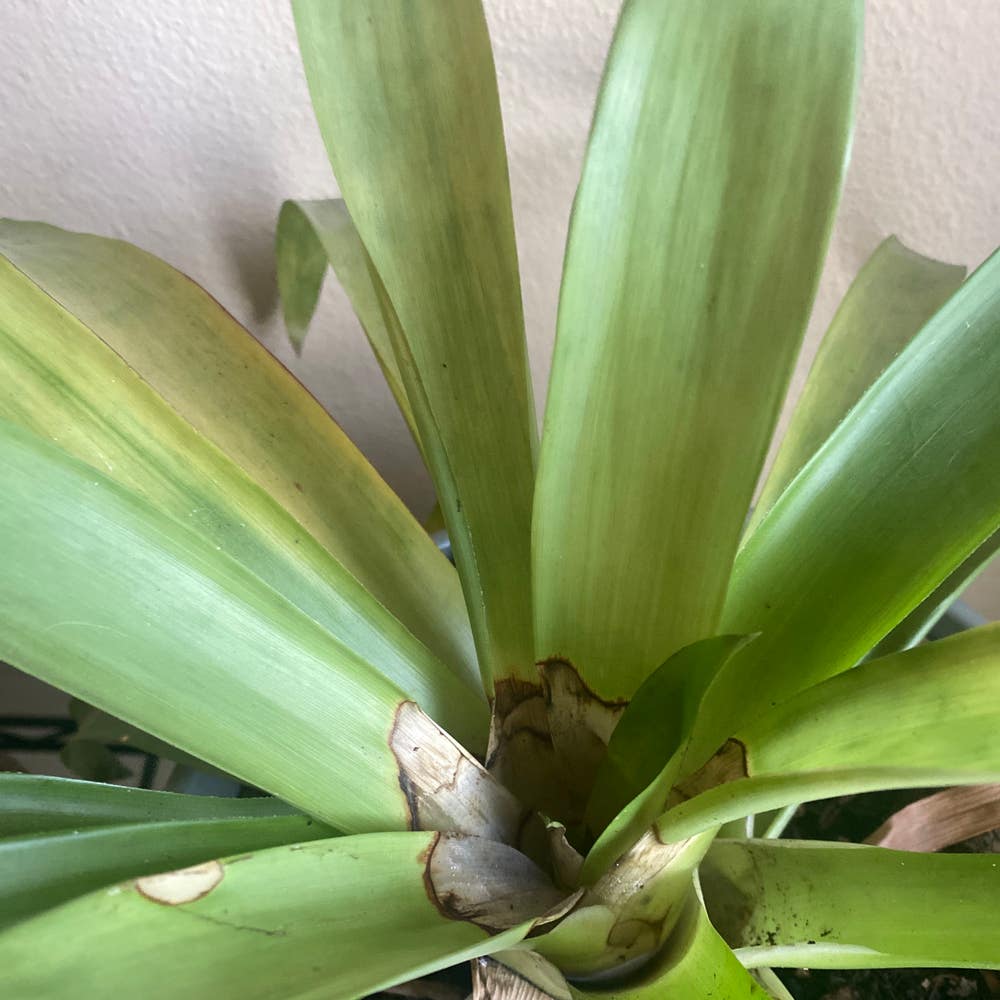
Why Are My Neoregelia lilliputiana Leaves Curling?
Neoregelia lilliputiana
By the Greg Editorial Team
Apr 06, 2024•4 min read
This article was created with the help of AI so we can cover more plants for you. May contain errors. See one? Report it here.
Unravel the mystery behind your Neoregelia's curling leaves and revive its lush look! 🌿🔍
- 🌱 Curling indicates overwatering or dehydration; adjust watering accordingly.
- ☀️🌡️ Bright indirect light and stable temperatures keep leaves healthy.
- 🕵️♂️ Regular inspections and care adjustments prevent pests and diseases.
Spotting the Signs: Leaf Curling in Action
🌿 Visual Symptoms of Stress
Curling leaves on your Neoregelia lilliputiana aren't just a quirky twist; they're a distress signal. Overwatering often leaves its mark with droopy, yellowed foliage. In contrast, leaves curling upward can be a desperate grab for moisture, indicating dehydration.
🌞 Recognizing Light-Related Curling Patterns
Too much sun and your plant's leaves will curl away like they're dodging a spotlight. The ideal is bright, indirect light—anything more and you might as well be frying eggs on those leaves.
🏡 Environmental Culprits
Temperature and humidity are like the in-laws of the plant world; they can cause a lot of stress. Leaves curling in on themselves could be shivering from cold stress, while a sudden curl could be your plant's way of saying it's too hot to handle. Keep the environment consistent to avoid these issues.
The Usual Suspects: Pests and Diseases
🐜 Pests That Love Your Neoregelia
Spider mites and aphids are the ringleaders when it comes to Neoregelia pests. These tiny critters can turn your plant's leaves into their personal buffet, causing curling and discoloration. Check the undersides of leaves for fine webbing or clusters of small bugs to catch these pests in the act.
Spot treatment with insecticidal soap or neem oil can be effective. Apply diligently, focusing on infested areas, and repeat as necessary. For a more organic approach, introduce predatory insects like ladybugs or lacewings to your plant's environment. They're nature's pest control agents and will happily munch on the invaders.
🍄 Fungal Foes and Bacterial Baddies
Fungal and bacterial infections often manifest as unsightly spots or rotted areas on your plant. Overwatering and poor air circulation are the usual suspects that invite these pathogens to the party.
To combat these issues, ensure your Neoregelia has well-draining soil and isn't left sitting in water. Improve air circulation around your plant to keep the humidity in check. If you spot signs of infection, prune affected areas and consider using an organic fungicide. Remember, cleanliness is next to godliness in plant care, so keep those leaves clean and dry.
Preventive measures are your best defense. Regularly inspect your plant, isolate new additions to your collection, and be ready to act fast if you see signs of trouble. It's not just about saving your plant; it's about maintaining the peace in your urban jungle.
Nailing the Neoregelia Necessities
💧 Water Wisdom
Watering your Neoregelia lilliputiana is less about sticking to a strict schedule and more about understanding its thirst cues. Drench the soil until water runs free from the drainage holes, then let the topsoil dry slightly before the next watering. This plant's needs shift with the seasons, so stay on your toes and adapt.
Overwatering is a common misstep, leading to limp, lifeless leaves. If the soil feels soggy, like a drenched sponge, it's time to back off the hydration station. On the flip side, leaves that are crispy and curled are broadcasting an SOS for more water. Balance is the game, and your Neoregelia is the prize.
🌞 Light and Temperature Tips
Finding the sweet spot for light is crucial. Neoregelia lilliputiana craves bright, indirect sunlight. Too much direct sun can scorch its leaves, while too little leaves it dull and unenthused. East or west-facing windows are your best bet for that golden glow without the burn.
Temperature consistency keeps your Neoregelia from throwing a fit. Aim to maintain a stable environment, avoiding sudden temperature drops or spikes. Consistency is your plant's best friend, fostering a comfortable space for those vibrant leaves to unfurl with confidence.
Prevention: The Best Cure
👩🌾 Cultural Practices to Keep Leaves Happy
Soil savvy is non-negotiable. Opt for a well-draining mix, spiked with perlite or coarse sand to prevent waterlogging. Your Neoregelia's roots despise soggy shoes. Ensure your pot has adequate drainage holes; it's like having a good escape plan for excess water.
Fertilization finesse is about balance. Think of fertilizer as a supplement, not a main course. Feed your plant monthly during the growing season, but don't go overboard. It's like adding salt to a dish—just enough to enhance, too much ruins the meal.
🕵️♂️ Routine Checks and Balances
Regular inspections are your plant's personal bodyguard. Scan for pests, funky leaves, or any SOS signals. It's about being a proactive plant parent, ready to act at the first hint of trouble.
Environmental agility is key. Be ready to tweak your care routine with the changing seasons. Rotate your pot for even growth, dial back on watering in the winter, and provide more shade during the scorching summer. It's like adjusting your wardrobe for the weather—stay responsive to keep your Neoregelia comfortable.
⚠️ Safety First
This content is for general information and may contain errors, omissions, or outdated details. It is not medical, veterinary advice, or an endorsement of therapeutic claims.
Always consult a qualified healthcare professional before using any plant as food, medicine, or supplement.
Never eat any plant (or feed one to pets) without confirming its identity with at least two trusted sources.
If you suspect poisoning, call Poison Control (800) 222-1222, the Pet Poison Helpline (800) 213-6680, or your local emergency service immediately.
Spotted an error? Please report it here.
Keep your Neoregelia lilliputiana thriving with Greg's custom reminders 💧, ensuring the perfect balance of water, light, and care to prevent leaf curling.