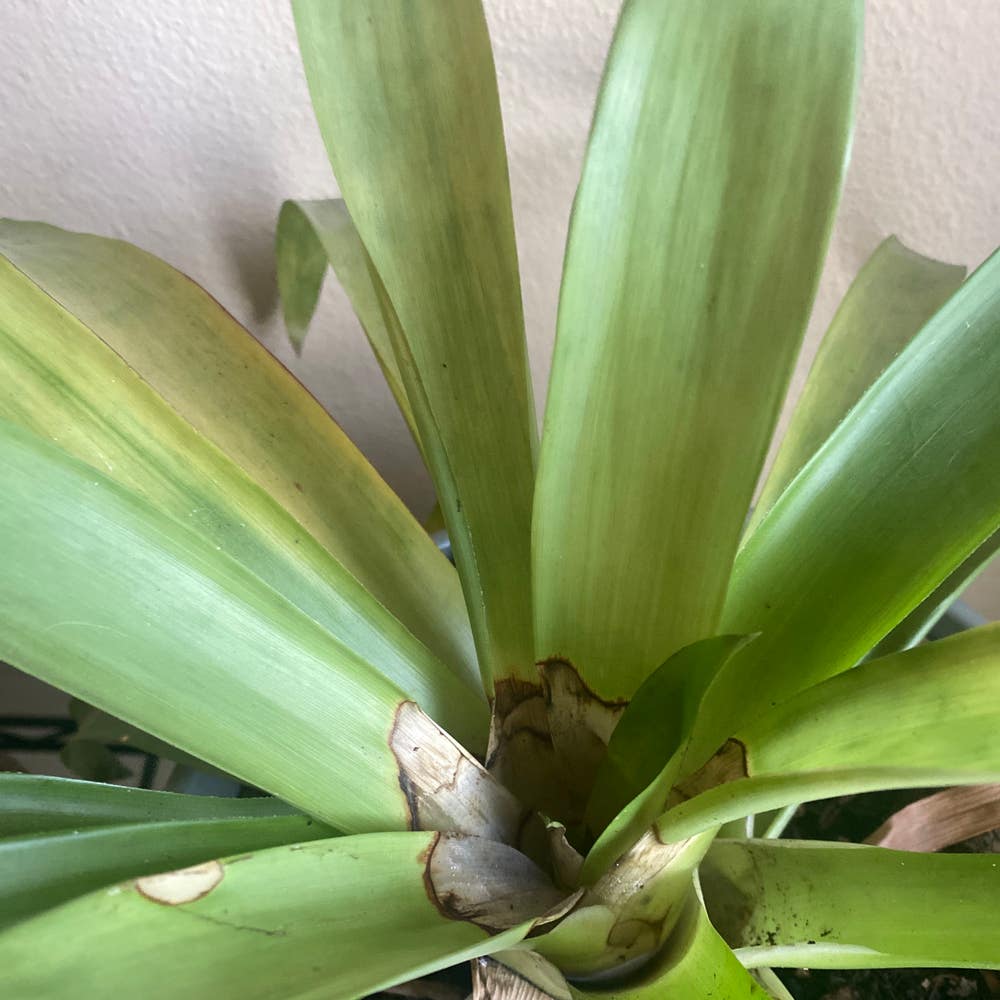
🌞 My Neoregelia lilliputiana's Light Needs
Neoregelia lilliputiana
By the Greg Editorial Team
Apr 06, 2024•3 min read
This article was created with the help of AI so we can cover more plants for you. May contain errors. See one? Report it here.
Illuminate your Neoregelia's bloom with these savvy light tips! 🌞🌿
- Bright, indirect light is ideal for Neoregelia lilliputiana's health and blooms.
- Rotate and adjust to prevent stretching and manage seasonal light changes.
- Use LED grow lights when natural light isn't enough to simulate sunlight.
Shedding Light on Indoor Care
💡 Choosing the Best Spot
Bright, indirect light is the sweet spot for Neoregelia lilliputiana. East or west-facing windows are your allies, offering the right balance without the harshness of direct southern exposure.
Rotate your plant regularly to promote even growth and prevent it from reaching for the light.
Avoid the common mistake of placing your plant in a spot that's too dim or too bright. If your Neoregelia starts to look more like a wallflower than a showstopper, it's time to reassess its position.
💡 Grow Lights: A Bright Idea?
When your windows just won't cut it, grow lights can be a game-changer. They're especially useful during the shorter days of winter or in rooms that lack natural light.
LEDs are the go-to for their efficiency and spectrum. Place them about 1.5-2 feet above your Neoregelia, simulating the natural light it craves.
Consider grow lights if your plant's colors seem to fade or if growth stalls. It's like giving your plant a personal sun when the real one's on a break.
Navigating Outdoor Illumination
🌞 Finding the Sweet Spot
Neoregelia lilliputiana, like a socialite, prefers the spotlight without the burn. Bright, indirect light is the sweet spot for this plant when outdoors. Think of a location that's the equivalent of wearing sunglasses—a space with dappled sunlight, perhaps beneath a tree or an awning, that mimics the natural canopy of its habitat.
Rotate your plant periodically to prevent favoritism; each side deserves its moment in the sun. This ensures even growth and avoids the lopsided, "I forgot leg day" look.
🍂 Seasonal Adjustments
As the earth tilts and turns, so should your approach to your plant's sunbathing habits. Summer means dialing back on direct exposure—think of it as moving your plant from the beach to the boardwalk. In spring and fall, you can inch closer to the metaphorical shoreline for a bit more light.
Light stress signs are your plant's way of waving a white flag. Scorched leaves? Too much sun. Stretching and reaching? It's craving more. Adjust your plant's position with the finesse of a chess grandmaster, responding to the subtle cues of the changing seasons.
Remember, it's not about a fixed rulebook; it's about being the attentive plant parent who knows when to shuffle their green offspring in and out of the sun's embrace.
Let There Be Blooms: Light's Role in Flowering
🌸 Timing and Intensity
Light duration and intensity are the unsung heroes in the blooming saga of Neoregelia lilliputiana. These plants don't just crave light; they follow its schedule like a strict choreographer. Too much light can overwhelm them, too little, and they might as well be hibernating. To hit the flowering jackpot, you've got to play the light just right.
🌼 Encouraging Flowers with Light
For those looking to encourage blooms, consider light the throttle of your plant's flowering engine. If your Neoregelia lilliputiana is slacking on the flower front, it might be time to ramp up the light exposure. But watch out for signs of a sunburnt plant—dial it back if you notice any distress. It's a balancing act, sure, but get it right, and you'll be rewarded with a floral spectacle. Remember, patience is more than a virtue here; it's a requirement.
⚠️ Safety First
This content is for general information and may contain errors, omissions, or outdated details. It is not medical, veterinary advice, or an endorsement of therapeutic claims.
Always consult a qualified healthcare professional before using any plant as food, medicine, or supplement.
Never eat any plant (or feed one to pets) without confirming its identity with at least two trusted sources.
If you suspect poisoning, call Poison Control (800) 222-1222, the Pet Poison Helpline (800) 213-6680, or your local emergency service immediately.
Spotted an error? Please report it here.
Brighten up 🌟 your Neoregelia lilliputiana's day with Greg's PlantVision to measure light levels and get reminders to rotate for even growth and perfect blooms!