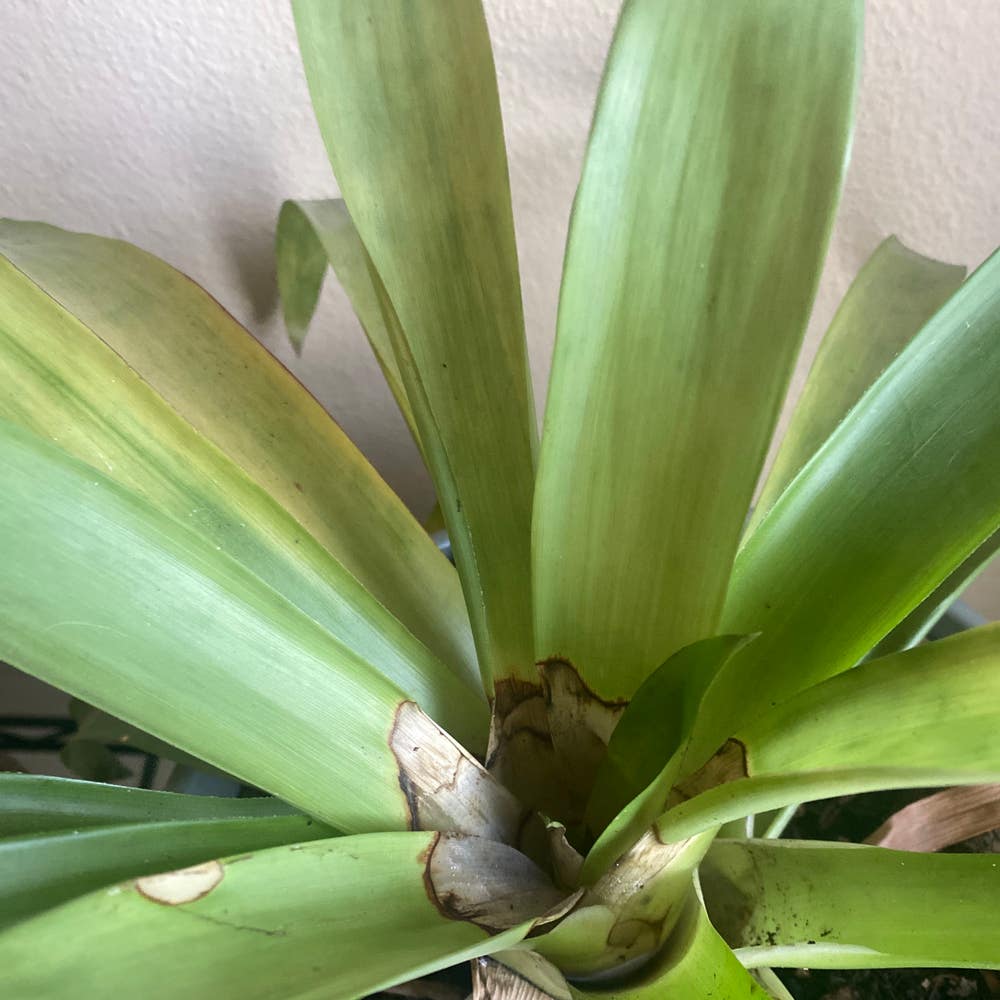
Ultimate Guide to Neoregelia 'Medusa' 🐍
Neoregelia 'Medusa'
By the Greg Editorial Team
Jan 23, 2025•10 min read
This article was created with the help of AI so we can cover more plants for you. May contain errors. See one? Report it here.
Elevate your home with the stunning Neoregelia 'Medusa'—a low-maintenance beauty that purifies your air! 🌿
- 🌞 Neoregelia 'Medusa' thrives in bright, indirect sunlight to prevent leaf scorch.
- 💧 Maintain humidity above 50% and water when the top inch of soil feels dry.
- 🌱 Use well-draining potting mix and fertilize every 4-6 weeks for optimal growth.
How to Grow
🌞 Choosing a Location
To thrive, Neoregelia 'Medusa' needs bright, indirect sunlight. Direct sun exposure can scorch its leaves, so find a spot that offers filtered light.
The plant prefers warm temperatures, ideally between 65°F to 85°F (18°C to 29°C). Maintaining these conditions will help it flourish.
High humidity is crucial for this bromeliad. Aim for levels of 50% or more to keep your plant happy and healthy.
🌱 Soil Preparation
For optimal growth, use a well-draining, organic potting mix or a specialized bromeliad mix. This ensures that the roots have the right environment to thrive.
The soil pH should be slightly acidic to neutral, ideally between 5.5 to 7.0. This range supports nutrient availability for your plant.
🌿 Planting Techniques
When planting, make sure the base of the rosette is level with the soil surface. This positioning helps prevent rot and promotes healthy growth.
Space your plants 12-24 inches apart to allow for adequate airflow. Proper spacing reduces the risk of disease and encourages robust development.
💧 Watering Requirements
Water your Neoregelia 'Medusa' when the top inch of soil feels dry. This practice helps maintain moisture without risking waterlogging.
Using distilled or rainwater is best to avoid chemical buildup. Your plant will appreciate the extra care!
🌼 Fertilizing Schedule
During the growing season, use a diluted, balanced liquid fertilizer (20-20-20). This will provide essential nutrients for vibrant growth.
Fertilize every 4-6 weeks in spring and summer. Regular feeding supports the plant's development and overall health.
✂️ Pruning and Ongoing Care
Prune by removing dead or damaged leaves. This simple step encourages new growth and keeps your plant looking its best.
Regularly monitor for pests and diseases. Early detection is key to maintaining a healthy plant.
🌍 Outdoor vs. Container Growing
Neoregelia 'Medusa' thrives outdoors in tropical climates, especially with partial shade. This environment mimics its natural habitat.
For indoor settings, container growing is ideal. Just ensure proper drainage to prevent root issues.
With these guidelines, you're well on your way to successfully growing Neoregelia 'Medusa'. Next, let's explore how to propagate this stunning plant!
Propagation
🌱 Methods of Propagation
Neoregelia 'Medusa' can be propagated primarily through offsets, commonly known as pups. This method is straightforward and effective, making it the go-to choice for most plant enthusiasts.
Seeds are another option, though they are less common and more challenging to work with. This method requires patience and careful attention to detail.
📝 Step-by-Step Instructions for Each Method
Offsets
- Wait until pups are at least one-third the size of the parent plant. This ensures they are mature enough to thrive on their own.
- Gently twist or cut the pup from the base. Be careful not to damage the parent plant during this process.
- Plant the pup in a suitable potting mix and water lightly. This helps establish roots without overwhelming the young plant.
Seeds
- Collect seeds from mature flowers. This step requires timing, as seeds are only available when the flowers are fully developed.
- Sow seeds on the surface of a moist, well-draining medium. This allows for proper germination conditions.
- Cover lightly and maintain humidity until germination. Keeping the environment humid is crucial for seed success.
Propagation can be a rewarding experience, allowing you to expand your collection or share with friends. Whether you choose pups or seeds, each method offers a unique journey into the world of Neoregelia 'Medusa'.
As you explore propagation, you'll discover the joy of nurturing new plants and watching them flourish. Next, let’s dive into understanding the size of this stunning bromeliad.
Size
🌱 Mature Height and Spread
Neoregelia 'Medusa' typically reaches a mature height of 12 to 18 inches (30 to 45 cm) and can spread between 12 to 24 inches (30 to 60 cm). This size makes it an excellent choice for both indoor and outdoor settings, providing a striking visual impact.
📏 Growth Rate and Size Variability
The growth rate of 'Medusa' is moderate, meaning it won't take over your space overnight. However, the size can vary significantly based on the care conditions you provide, so keep an eye on those factors.
🌞 Factors Affecting Size in Different Conditions
Light levels play a crucial role in determining the size of your plant. More light often leads to larger, more vibrant specimens.
Watering practices also influence growth; consistent moisture is key to promoting healthy development. By ensuring your plant receives the right amount of water, you can help it thrive and reach its full potential.
As you care for your Neoregelia 'Medusa', remember that the right conditions can lead to impressive growth. With the proper attention, you'll enjoy a lush, beautiful plant that enhances your space.
Roots
🌱 Root System Characteristics
Neoregelia 'Medusa' features a fibrous root system that is both shallow and wide-spreading. This design allows the plant to adapt easily to container growing, making it a versatile choice for indoor gardening.
⚠️ Common Root-Related Issues
One of the most common problems is root rot, which occurs due to overwatering. To prevent this, ensure your pot has proper drainage to keep the roots healthy.
👀 Identifying Healthy vs. Unhealthy Roots
Healthy roots are typically firm and exhibit a white or light tan color. In contrast, unhealthy roots will appear dark, mushy, or may even emit a foul smell, indicating rot.
🔄 Recognizing and Addressing Rootbound Conditions
Signs that your Neoregelia is rootbound include roots growing out of drainage holes or circling the pot. If you notice these symptoms, consider repotting into a larger container or dividing the plant to promote healthier growth.
Understanding the root system and its needs is crucial for the overall health of your Neoregelia 'Medusa'. With proper care, you can ensure your plant thrives and continues to bring beauty to your space.
Benefits
Top 5 Benefits of Growing Neoregelia 'Medusa' 🌿
Aesthetic Appeal: The striking foliage of Neoregelia 'Medusa' adds a vibrant touch to both indoor and outdoor spaces. Its unique colors and patterns can serve as a focal point in any garden or home.
Air Purification: This plant is not just a pretty face; it actively helps improve indoor air quality by filtering out toxins. Having one around can contribute to a healthier living environment.
Low Maintenance: Neoregelia 'Medusa' is perfect for those who may not have a green thumb. It requires minimal care compared to many other houseplants, making it an excellent choice for busy individuals.
Versatile Use: Whether in containers, terrariums, or as part of landscape design, this bromeliad adapts well to various settings. Its flexibility allows you to get creative with your plant arrangements.
Attracts Pollinators: The flowers of Neoregelia 'Medusa' can attract beneficial insects like bees. This not only enhances your garden's ecosystem but also supports local wildlife.
Symbolism and Cultural Significance 🌍
Neoregelia 'Medusa' symbolizes resilience and adaptability, thriving in tropical environments. Its beauty and exotic nature make it a popular choice in ornamental gardening, often representing a connection to nature's wonders.
Incorporating this plant into your space not only elevates your decor but also connects you to a rich cultural significance that celebrates the vibrancy of life.
As you consider adding Neoregelia 'Medusa' to your collection, remember the benefits it brings—not just in aesthetics but also in promoting a healthier, more vibrant environment.
Next, let’s explore the fascinating world of companion plants that thrive alongside Neoregelia 'Medusa'.
Companion Plants
Concept of Companion Planting 🌱
Companion planting is all about creating a harmonious garden environment. By pairing plants that support each other, you can enhance diversity and improve pest management.
Best Companion Plants 🌼
When it comes to Neoregelia 'Medusa', consider companions like orchids, ferns, and other bromeliads. These plants share similar care needs and thrive in high humidity, making them perfect partners.
Plants to Avoid 🚫
On the flip side, steer clear of heavy feeders like tomatoes. These plants can compete for nutrients and water, potentially stunting the growth of your Neoregelia.
By choosing the right companions, you can create a thriving ecosystem that benefits all your plants. This thoughtful approach not only enhances your garden's beauty but also promotes healthier growth for your Neoregelia 'Medusa'.
Problems
Common Problems Faced 🌱
Incorrect Watering
Watering is crucial for Neoregelia 'Medusa'. Underwatering leads to wilting, while overwatering causes mushy leaves.
Adjust your watering frequency based on the plant's needs and environmental conditions to keep it thriving.
Incorrect Light Conditions
Light exposure directly affects plant health. Too much light results in leaf scorch, while too little can cause leggy growth.
Reassess your plant's placement and adjust its light exposure to ensure it receives the right amount of brightness.
Incorrect Temperature
Temperature fluctuations can stress your plant. Symptoms of stress include stunted growth or leaf drop.
Keep your Neoregelia in a warm environment, avoiding cold drafts to maintain its health.
Diseases
Fungal diseases can plague your plant, with powdery mildew, rust, and black rot being common culprits.
To combat these issues, improve air circulation around the plant and apply fungicides as necessary.
Leaf Issues
Leaf problems often manifest as yellowing or fuzzy growth. These symptoms may indicate nutrient deficiencies or pest infestations.
Address these issues promptly to restore your plant's vitality and ensure it continues to flourish.
Conclusion 🌟
By recognizing and addressing these common problems, you can help your Neoregelia 'Medusa' thrive. Next, let's explore how to effectively manage pests that may threaten your plant's health.
Bugs
🐜 Potential Pest Issues
Neoregelia 'Medusa' is known for its moderate pest resistance, but it’s not invincible. Even the hardiest plants can face challenges from pests that may threaten their health.
🔍 Identification of Pests
Common pests that target Neoregelia 'Medusa' include spider mites, mealybugs, aphids, and scale insects. Look for signs of infestation such as webbing, sticky residue on leaves, or the presence of visible insects.
⚠️ Damage Caused by Pests
Pests can cause significant damage, leading to wilting, leaf discoloration, and stunted growth. If left unchecked, these issues can severely impact the overall vitality of your plant.
🧴 Effective Treatment Options
To combat these pests, consider using insecticidal soap or neem oil, both of which are effective and safe options. Introducing beneficial insects can also help manage pest populations naturally.
👀 Regular Monitoring
Regular monitoring is crucial for early detection and management of pest issues. By keeping a close eye on your Neoregelia 'Medusa', you can catch problems before they escalate, ensuring your plant remains healthy and vibrant.
With these strategies in hand, you can confidently protect your Neoregelia 'Medusa' from pests and enjoy its beauty for years to come. Next, let’s explore what animals might pose a threat to your plant and how to deter them effectively.
What Eats Neoregelia 'Medusa'
🐾 Common Animals That May Damage
Neoregelia 'Medusa' can attract a variety of hungry critters. The most common threats include deer, rabbits, squirrels, and rodents, all of which may find your plant a tasty snack.
👀 Signs of Animal Presence
Keep an eye out for signs that animals are visiting your garden. Chewed leaves, droppings, or tracks near the plant can indicate that your Neoregelia is being targeted by these pests.
⚠️ Types of Damage Caused
The damage from these animals typically involves browsing on the leaves. This can stunt growth and reduce the overall vigor of your plant, making it less resilient.
🚫 Deterrent Methods
To protect your Neoregelia, consider using deterrent methods. Chemical repellents designed for garden use can be effective, while organic solutions like homemade garlic spray or planting deterrent herbs offer a natural alternative.
By staying vigilant and employing these strategies, you can help ensure that your Neoregelia 'Medusa' thrives without unwanted visitors. Next, let’s explore common problems that may arise while caring for this unique plant.
⚠️ Safety First
This content is for general information and may contain errors, omissions, or outdated details. It is not medical, veterinary advice, or an endorsement of therapeutic claims.
Always consult a qualified healthcare professional before using any plant as food, medicine, or supplement.
Never eat any plant (or feed one to pets) without confirming its identity with at least two trusted sources.
If you suspect poisoning, call Poison Control (800) 222-1222, the Pet Poison Helpline (800) 213-6680, or your local emergency service immediately.
Spotted an error? Please report it here.
Unlock the full potential of your Neoregelia 'Medusa' 🌿 with Greg's tailored care reminders and expert tips to keep it thriving in your home!