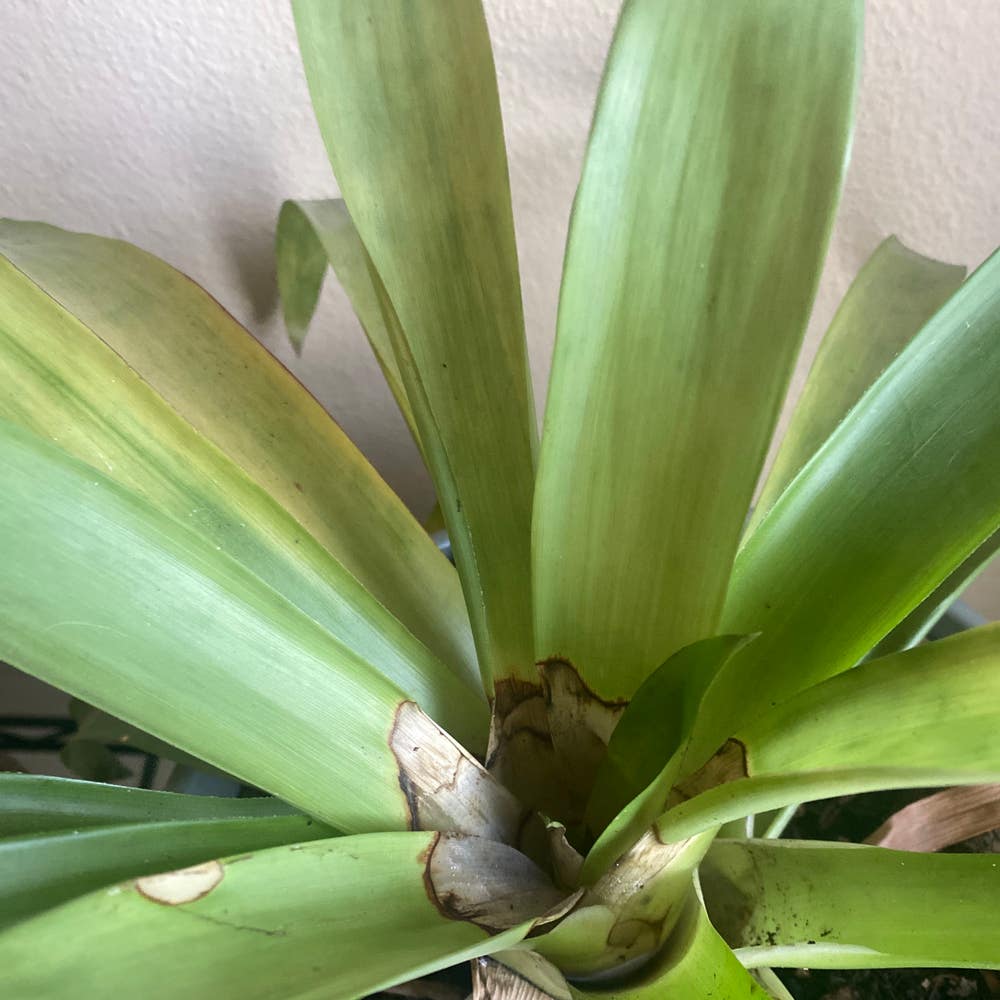
How to Know When to Repot a Bromeliad Medusa?
Neoregelia 'Medusa'
By the Greg Editorial Team
Jun 18, 2024•4 min read
This article was created with the help of AI so we can cover more plants for you. May contain errors. See one? Report it here.
Unveil a world of lush growth for your Bromeliad Medusa 🌿 by spotting the perfect time to repot.
- Roots, Growth, Pups: Signs your Bromeliad Medusa needs repotting.
- Choose the right pot: Size, material, and drainage are key.
- Post-repot care: Water wisely and adjust care as your plant adapts.
Spotting the Tell-Tale Signs It's Time for a New Pot
🌱 Root Tango: Overcrowding Below the Soil
Roots should stay underground, but when they're escaping through drainage holes or circling the pot's base, they're begging for a new home. Check the bottom of your Bromeliad Medusa's pot; if you see roots, it's time to repot.
📏 Growth Spurt: Recognizing Stunted Growth
If your Bromeliad Medusa's growth has slowed to a crawl, it's not just being lazy. It's likely feeling cramped. Look for a top-heavy appearance or a lack of new leaves as clear signs that your plant needs more space.
👶 Baby Boom: The Arrival of Pups
Pups are the Bromeliad Medusa's way of saying "I'm ready to multiply!" When these little clones start popping up, it's a natural indicator to give both the mother plant and her offspring room to grow by considering repotting.

The Repotting Rundown: A Step-by-Step Guide
🌿 Eviction Notice: Gently Removing Your Plant
Before you start, don your gloves; Bromeliad Medusa's leaves can be prickly. Tilt the pot and encourage your plant to leave its current residence with a gentle pull. If it resists, think of it as a polite nudge rather than a forceful eviction.
🏡 Home Prep: Choosing the Right Pot and Soil Mix
Size matters when it comes to pots. Aim for a cozy upgrade—nothing too cavernous. Terracotta, plastic, or ceramic? That's your call, but ensure drainage holes are part of the deal. For the soil mix, think of a well-aerated, drainage-friendly concoction. Perlite or sand can be your best allies here, making the soil mix the perfect bed for your plant's roots.
🌱 Settling In: Planting Your Bromeliad Medusa
Center your Bromeliad Medusa in its new pot like it's the star of the show—because it is. Fill around it with your prepped soil mix, but don't pack it down too hard. You want to give the roots room to breathe and spread. Water thoroughly after repotting to help it settle in, but remember, no waterlogged feet for this beauty.

Picking the Perfect Pot: Materials Matter
🏺 Terracotta vs. Plastic vs. Ceramic: Pros and Cons
Terracotta pots are like the sturdy boots of the plant world; they let your Bromeliad Medusa's roots breathe while wicking away extra moisture. But they're heavy, so think twice if you love to redecorate on a whim. Plastic pots are the lightweights—easy to move and moisture-retentive, which is great for forgetful waterers but a potential swamp for the over-enthusiastic. Ceramic pots are the show ponies, stylish and breathable, but they can be fragile and pricey, and they don't dry out as quickly due to their glazing.
🚰 Drainage Dilemma: Ensuring a Well-Drained Home
Drainage isn't just a nice-to-have; it's a must for preventing your Bromeliad Medusa from drowning in soggy soil. Drainage holes are non-negotiable, regardless of pot material. If you're using a pot without them, you're basically giving your plant an unwanted bath with no way out. Consider adding a layer of gravel or pebbles at the bottom to boost drainage and keep your plant's feet dry.

Aftercare: Helping Your Bromeliad Medusa Thrive Post-Repotting
💧 Water Wisely: Balancing Moisture Levels
Watering your Bromeliad Medusa after repotting is like threading a needle—precise and deliberate. Start with a conservative approach, allowing the top inch of soil to dry before the next watering. This isn't a cactus, so don't play the waiting game too long.
👀 Room to Grow: Monitoring and Adjusting as Needed
Keep a hawk's eye on your plant's progress. New growth should be vibrant and robust—if it's not, it's time for a tweak in the care routine. Adjust light exposure, water frequency, or humidity levels. It's like tuning a guitar; a little to the left, a little to the right, until the melody is just perfect.
⚠️ Safety First
This content is for general information and may contain errors, omissions, or outdated details. It is not medical, veterinary advice, or an endorsement of therapeutic claims.
Always consult a qualified healthcare professional before using any plant as food, medicine, or supplement.
Never eat any plant (or feed one to pets) without confirming its identity with at least two trusted sources.
If you suspect poisoning, call Poison Control (800) 222-1222, the Pet Poison Helpline (800) 213-6680, or your local emergency service immediately.
Spotted an error? Please report it here.
Ensure your Bromeliad Medusa has room to grow by using Greg's tailored repotting alerts 🌿, ensuring your plant's roots and pups have the space they need to flourish.