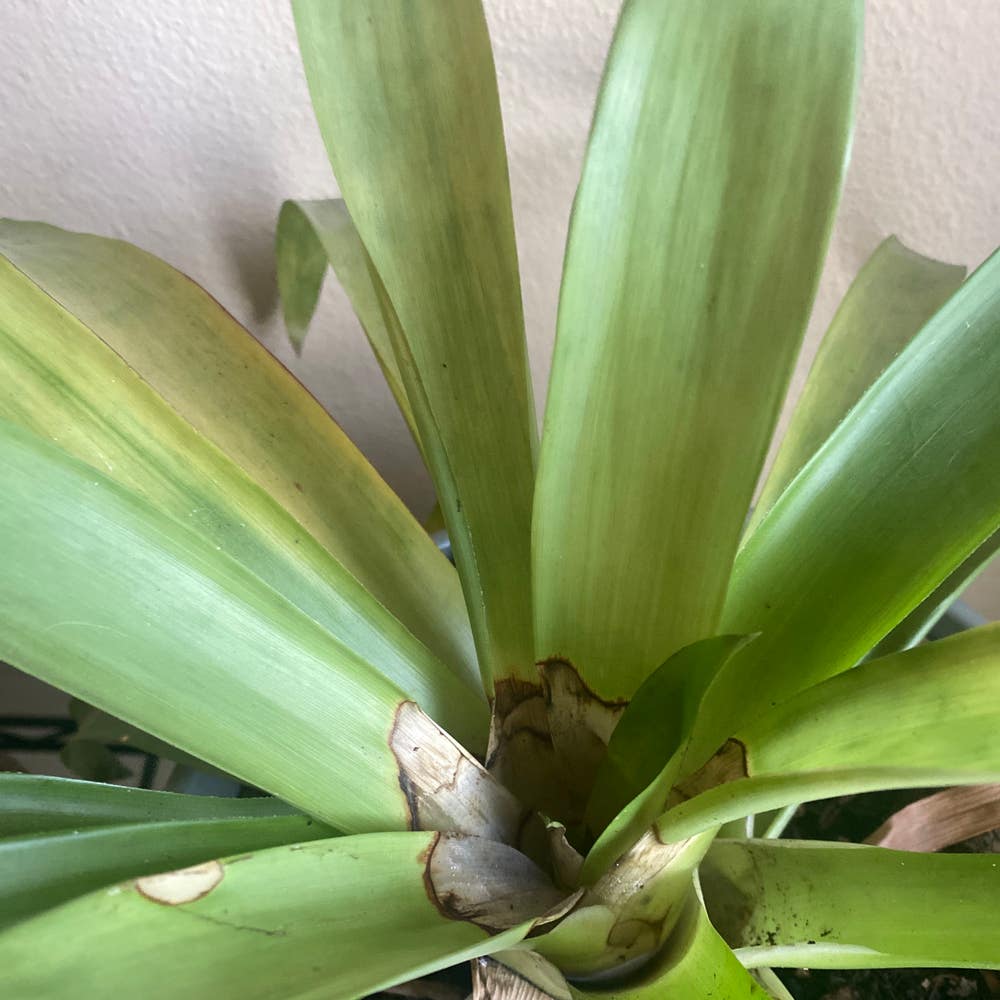
Year-Round Light Requirements For Your Bromeliad Medusa
Neoregelia 'Medusa'
By the Greg Editorial Team
Jun 18, 2024•4 min read
This article was created with the help of AI so we can cover more plants for you. May contain errors. See one? Report it here.
Nurture a vibrant Bromeliad Medusa 🌿 with perfect lighting tips to dodge seasonal light traps! 🌞🌛
- Bright, indirect light is key, especially in spring and summer to prevent scorch.
- Rotate and adjust plant's position seasonally for health and blooming.
- Use grow lights if natural sunlight is insufficient, especially in winter.
Soaking Up the Sun: Outdoor Light Smarts for Bromeliad Medusa
🌞 Spring and Summer Light Strategy
Bright, indirect light is the mantra for your Bromeliad Medusa during the warmer months. To avoid the leaf scorch that comes with too much direct sunlight, position your plant where it will receive the soft morning sun. Shade is crucial in the afternoon when the sun's rays are most intense.
Consider using a shade cloth or placing your Bromeliad under a canopy to protect it from the midday sun. This acts like a sunscreen, ensuring your plant gets enough light without the risk of sunburn.
🍂 Fall and Winter Light Adjustments
As the sun's intensity diminishes in fall and winter, your Bromeliad Medusa will crave more light. Shift the plant to a spot where it can soak up the weaker rays for longer periods without risking damage.
Keep an eye out for signs of too little light, such as stunted growth or a lack of color. If you notice these symptoms, it's time to find a brighter spot for your plant. Remember, the goal is to mimic the natural decrease in light during these seasons without compromising your Bromeliad's health.

Indoor Plant Paradise: Lighting Up Bromeliad Medusa Inside
💡 Finding the Sweet Spot Indoors
Location is key for your Bromeliad Medusa's indoor light bath. Aim for a spot that bathes it in bright, indirect light—think near an east-or west-facing window. Rotate your plant occasionally to ensure even growth and prevent lopsidedness.
💡 Grow Lights: A Bright Idea?
When sunlight is as scarce as hen's teeth, grow lights can save the day. Consider them if your Medusa's leaves are more dull than a dishwasher's dinner. Choose a grow light that won't fry your plant like an egg in the sun—LED lights are a good bet, offering a sun-like spectrum without the heat.

Let There Be Light: Ensuring Flowering and Foliage Health
💡 The Light-Flowering Connection
Light is a crucial player in the flowering process of Bromeliad Medusa. This vibrant plant relies on the right light conditions to trigger its blooming cycle. If you're hoping to see your Bromeliad Medusa burst into color, you'll need to provide it with bright, indirect light. Too much direct sunlight can damage the delicate flowers, while insufficient light may prevent them from forming at all.
To encourage blooming, position your Bromeliad Medusa in a spot where it can soak up plenty of bright, but not direct, sunlight. East or west-facing windows are typically ideal. If you notice the leaves getting too dark, it's a sign that your plant is compensating for low light levels by ramping up chlorophyll production. On the flip side, leaves with brown or bleached patches are crying out from too much direct sun. Adjust your plant's position accordingly, and you might just be rewarded with those coveted blooms.

Year-Round Light Care: Quick Tips and Tricks
🌱 Seasonal Light Checklist
- Spring: Gradually increase light as days lengthen.
- Summer: Shield from intense midday sun.
- Fall: Prepare for less light; possibly move closer to light sources.
- Winter: Maximize exposure to available sunlight; consider supplemental lighting.
💡 Common Light-Related Issues and How to Fix Them
- Too much light: Leaves bleach or scorch. Provide shade or diffuse light.
- Too little light: Growth slows, leaves stretch. Move plant closer to light or use grow lights.
- Uneven light: Rotate plant for balanced growth.
- Seasonal adjustment lag: Acclimate gradually to new light conditions to prevent shock.
- Artificial light balance: Not all grow lights are created equal. Ensure spectrum and intensity match your Bromeliad Medusa's needs.
- Observation: Your plant's appearance is a telltale sign. Respond to changes in leaf color and shape.
- Consistency: Use timers for a regular light schedule, especially in darker months.
- Flexibility: Be ready to tweak light exposure as seasons shift. Keep an eye out for clues of distress.
⚠️ Safety First
This content is for general information and may contain errors, omissions, or outdated details. It is not medical, veterinary advice, or an endorsement of therapeutic claims.
Always consult a qualified healthcare professional before using any plant as food, medicine, or supplement.
Never eat any plant (or feed one to pets) without confirming its identity with at least two trusted sources.
If you suspect poisoning, call Poison Control (800) 222-1222, the Pet Poison Helpline (800) 213-6680, or your local emergency service immediately.
Spotted an error? Please report it here.
With Greg, you can effortlessly transition 🌞 your Bromeliad Medusa's light exposure through the seasons, ensuring vibrant growth and timely blooms without the stress.