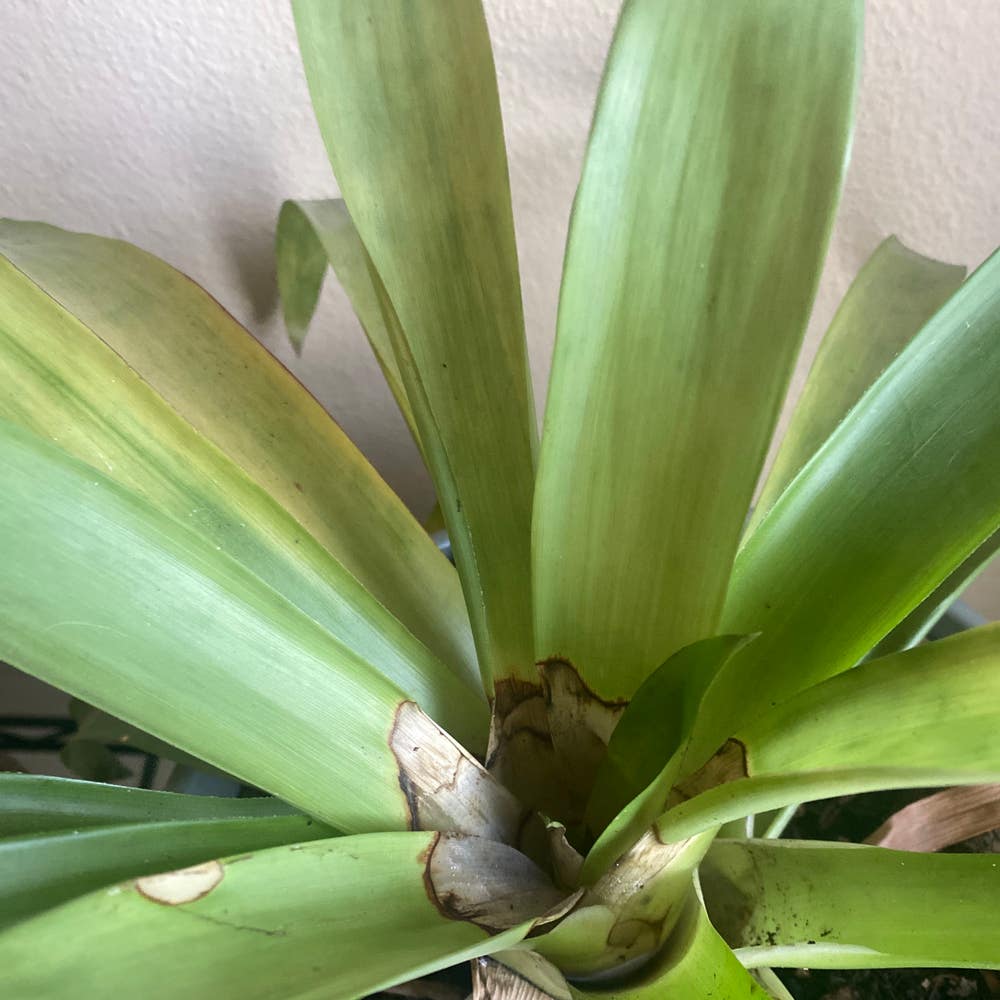
🐍 Does My Bromeliad Medusa Need Direct Sunlight?
Neoregelia 'Medusa'
By the Greg Editorial Team
Jun 18, 2024•4 min read
This article was created with the help of AI so we can cover more plants for you. May contain errors. See one? Report it here.
Shield your Bromeliad Medusa from sunburn and stretch with these savvy sunlight tips 🌤️🛡️.
- 🌤️ Bright, indirect light is best; direct sun can damage leaves.
- East or west-facing windows ideal for balanced sunlight exposure.
- Seasonal care adjustments necessary for year-round Bromeliad health.
Soaking Up the Rays: Bromeliad Medusa and Sunlight
🌞 What's the Deal with Direct Sunlight?
Direct sunlight is the unfiltered MVP of the solar spectrum, hitting your plants with all it's got. Bromeliad Medusa, however, prefers to play it cool with bright, indirect light. Think of it as the plant's preferred sunscreen, protecting its vibrant foliage from the harshness of a direct sunbeam.
🕶 Spotting the Signs: Too Much Sun or Not Enough?
A Bromeliad Medusa soaking up the perfect amount of light is like a guest at a party who's having a good time but not going overboard—balanced and content. If it's getting too much sun, the leaves will throw a fit, showing off unsightly brown or bleached spots. On the flip side, a lack of light will have your plant stretching out, getting leggy as it reaches for more rays. Keep an eye out for these visual cues to ensure your Bromeliad Medusa is living its best life.

Home Sweet Home: Where to Place Your Bromeliad Medusa
⛅️ Window Wonders: Direction Matters
East or west, that's the best. Your Bromeliad Medusa craves bright, indirect light, making east-or west-facing windows the ideal spots. These orientations provide a balance of morning or afternoon sun without the harsh midday beams that can lead to leaf scorch.
🌍 Hemisphere Hints: Location, Location, Location
Flip the script based on your hemisphere. In the Northern Hemisphere, south-facing windows can be too intense, especially in summer. But if you're down under in the Southern Hemisphere, aim for north-facing windows to avoid turning your Bromeliad into a crispy critter. Remember, it's all about the sun's behavior across the globe.

Protecting Your Bromeliad Medusa from Sunburn
🎨 Creative Shading Techniques
Your Bromeliad Medusa's leaves are like its skin – too much sun and you've got a crispy plant on your hands. DIY shade is your best friend here. Think sheer curtains or blinds; they're the sunscreen for your leafy pal. If you're crafty, rig up a light-diffusing screen with some gauzy fabric. It's simple: if the light's too bright, dim it down.
⏰ Timing is Everything: When to Soak and When to Shield
Morning light? Yes, please. Your Bromeliad Medusa will drink it up. Midday sun, though, is a no-go. That's when you pull the curtains. Early evening rays are gentle enough for another dose of sunlight. It's a dance – move your plant in and out of the light as if it's got two left feet and you're leading. Remember, the goal is a sun-kissed, not sun-slapped, Bromeliad Medusa.

Adjusting for the Seasons: Year-Round Sunlight Care
☀️ Summer Strategies
During the high-energy summer months, your Bromeliad Medusa needs a little extra TLC. The sun is relentless, and like a good sunscreen, you'll need to provide protection.
- Position your plant in a spot where it can enjoy bright, indirect light without being scorched by the midday sun.
- Consider using a sheer curtain to diffuse the intense rays, keeping your Bromeliad Medusa cool and comfortable.
- Monitor the moisture levels more closely; summer heat can dry out the soil faster, so your watering schedule might need an uptick.
❄️ Winter Wisdom
When winter rolls in, your Bromeliad Medusa's sunbathing days are on hold. The light is weaker, and your plant will be yearning for every ray it can get.
- Move your plant closer to the window to maximize the limited sunlight, but watch out for cold drafts.
- If natural light is as scarce as a sunny day in Seattle, consider supplementing with grow lights to keep your Bromeliad Medusa from becoming a sad, light-starved shadow of itself.
- Rotate the plant occasionally to ensure even light exposure and prevent it from leaning towards the light like a sunflower on a cloudy day.
⚠️ Safety First
This content is for general information and may contain errors, omissions, or outdated details. It is not medical, veterinary advice, or an endorsement of therapeutic claims.
Always consult a qualified healthcare professional before using any plant as food, medicine, or supplement.
Never eat any plant (or feed one to pets) without confirming its identity with at least two trusted sources.
If you suspect poisoning, call Poison Control (800) 222-1222, the Pet Poison Helpline (800) 213-6680, or your local emergency service immediately.
Spotted an error? Please report it here.
Ensure your Bromeliad Medusa flourishes in its ideal light conditions 🌟 with Greg's geolocation-based advice and tailored reminders for just the right amount of sun.