🐍 How Much Humidity Does My Bromeliad Medusa Need?
Neoregelia 'Medusa'
By the Greg Editorial Team
Jun 18, 2024•3 min read
This article was created with the help of AI so we can cover more plants for you. May contain errors. See one? Report it here.
Ensure your Bromeliad Medusa flourishes 🌿 by mastering its ideal humidity sweet spot!
- 60-80% humidity ideal for Bromeliad Medusa's health.
- 🌡️ Hygrometers monitor levels; place away from sunlight/drafts.
- Group plants or use humidifiers to adjust moisture.
Humidity: The Bromeliad Medusa's Best Friend
💧 The Sweet Spot: Ideal Humidity Levels
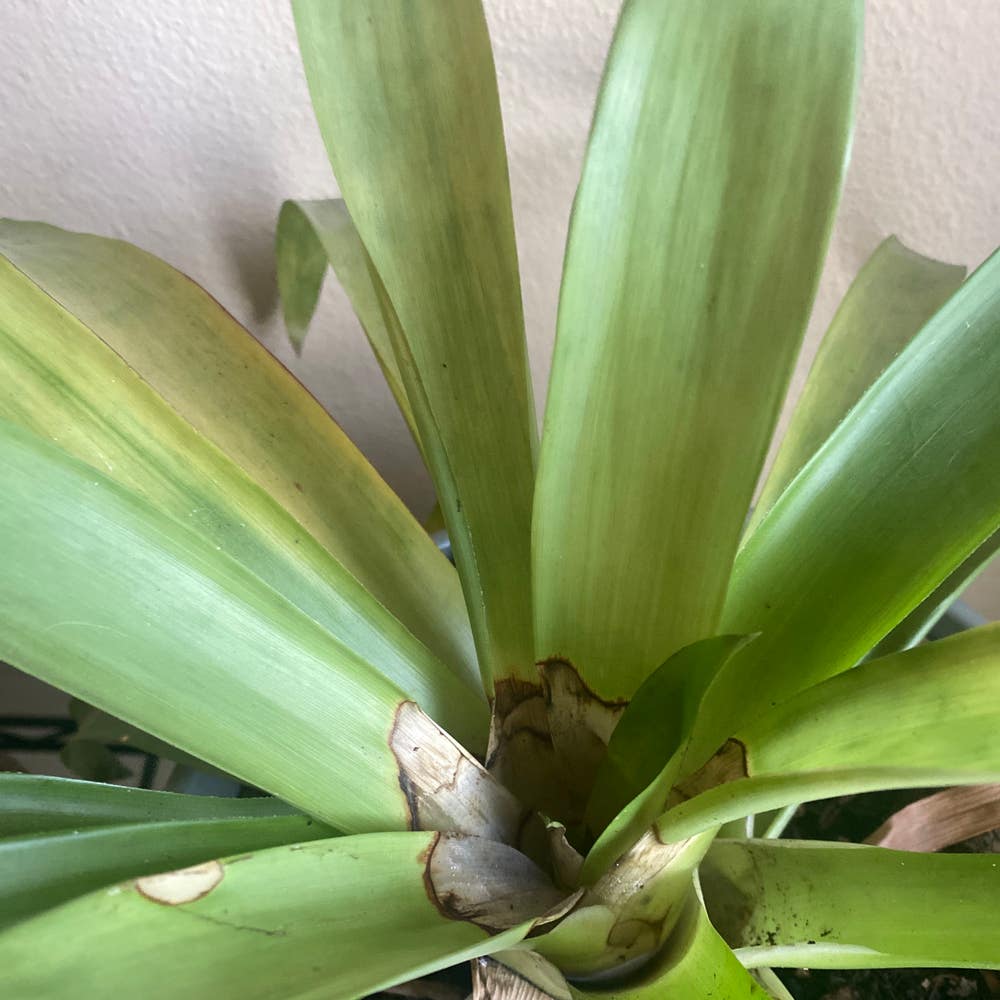
Humidity is crucial for your Bromeliad Medusa, with the sweet spot lying between 60% and 80% relative humidity. This range mimics its native rainforest conditions, ensuring your plant feels right at home. If your Medusa's leaves start to brown or curl, it's signaling a humidity crisis. Time to take action!
Relative vs. Absolute: What Matters for Your Medusa
Relative humidity is the MVP for your Medusa, as it measures moisture in the air relative to the temperature. Absolute humidity, while interesting, doesn't impact your plant's day-to-day as much. Think of relative humidity as the air's capacity for moisture at a given moment – that's what your Medusa is feeling.

Keeping Tabs on Humidity at Home
🌡️ Tools of the Trade: Humidity Monitors and Hygrometers
Your Bromeliad Medusa is silently begging for the right humidity—hygrometers are your ears for those silent pleas. Pick a model with a memory function to track the highs and lows; it's like having a humidity diary for your plant.
Setting up your monitoring station is no rocket science. Place the hygrometer near your Medusa but away from the deceitful warmth of sunlight or the misleading chill of drafts. Think of it as positioning a bodyguard—close enough to react, but not so close it gets caught up in the drama.
📊 Reading the Room: Understanding Your Local Humidity
Interpreting your hygrometer's numbers is like reading tea leaves, but for science. High readings? Your air's got more water than a cucumber. Low numbers? It's drier than a stand-up comedian's humor.
Timing is everything. Check your hygrometer throughout the day—morning, noon, and night—to catch the full scope of your home's humidity mood swings. And don't play favorites with your rooms; your bathroom might be a tropical paradise, while your living room is a desert in disguise.

Mastering Humidity Control
💦 When the Air's Too Dry: Boosting Humidity Tactics
🌿 Group Therapy: The Benefits of Plant Buddies
Plants are social creatures. Grouping your Bromeliad Medusa with other green pals can create a communal microclimate. Transpiration from each plant contributes to the overall humidity, benefiting all.
💨 Humidifier Love: When to Invest in Some Mist
A humidifier is like a personal rain cloud for your Bromeliad Medusa. Opt for one when the air resembles a desert more than a dewy dawn. It's about consistent moisture, not a deluge.
🪴 The Pebble Tray Hack: A DIY Moisture Boost
Low-tech yet effective, a pebble tray beneath your plant can be a chic moisture lift. It's simple: water, pebbles, tray. No USB port required.
🌧️ When It's a Rainforest in Your Living Room: Reducing Humidity
💨 Breezy Solutions: Ventilation for Vapor Balance
Too much humidity? Ventilation is your ally. Open a window, or let a fan circulate air. It's about giving your plant space to breathe without creating a wind tunnel.
💨 The Dehumidifier Option: When to Consider It
If your living room feels like a prehistoric swamp, a dehumidifier might be in order. It's the humidity bouncer, subtly escorting excess moisture out of the room.

⚠️ Safety First
This content is for general information and may contain errors, omissions, or outdated details. It is not medical, veterinary advice, or an endorsement of therapeutic claims.
Always consult a qualified healthcare professional before using any plant as food, medicine, or supplement.
Never eat any plant (or feed one to pets) without confirming its identity with at least two trusted sources.
If you suspect poisoning, call Poison Control (800) 222-1222, the Pet Poison Helpline (800) 213-6680, or your local emergency service immediately.
Spotted an error? Please report it here.
Keep your Bromeliad Medusa basking in perfect humidity 🌬 by using Greg's personalized reminders to adjust your home's moisture levels effortlessly.